
Colleges and Universities in Maine
Overview of higher education in Maine: types of institutions, notable examples, history, roles in the state economy, and distinctions among public, private, and specialized schools.
Maine's higher education landscape includes a mix of public universities, private liberal arts colleges, community and technical colleges, and specialized academies. Together these institutions serve local and regional students, offer professional and academic programs, and support research and workforce needs. For a broad directory of institutions, see colleges and for institutional profiles consult universities. General information about the state is available via Maine-focused resources.
Image gallery
2 Images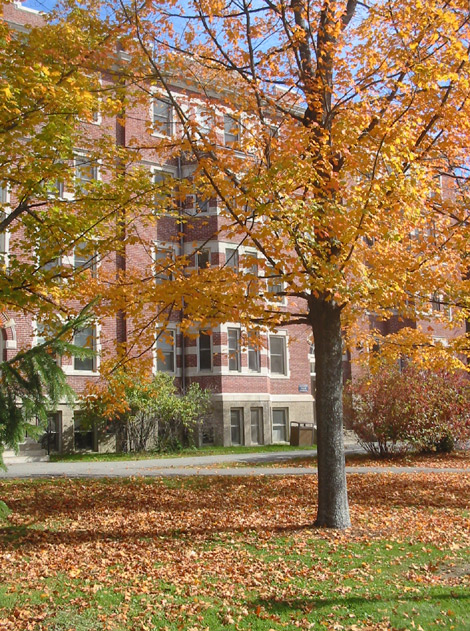

Types and characteristics
Institutions in Maine vary by mission and size. Public research and land-grant universities emphasize undergraduate and graduate education plus applied research. Private liberal arts colleges focus on small classes and residential learning. Community and technical colleges provide workforce training and transfer pathways. Specialized schools include maritime academies and institutions with strong marine and environmental programs reflecting Maine's coastal setting.
Notable examples
- Public system: the statewide university system with a flagship campus offering research and extension services.
- Private liberal arts: small, selective colleges known for undergraduate teaching and campus traditions.
- Specialized institutions: maritime, culinary, and art schools serving niche professional needs.
Historically, Maine's colleges evolved from small denominational and local colleges to a diverse system that expanded in the 20th century to meet needs for teacher training, technical skills, and higher degree programs. Many institutions have strong regional ties and long-standing community relationships.
Importance and uses: Maine colleges educate the state's workforce, attract out-of-state students who contribute to the economy, and partner with industry on research and development. Programs in marine science, forestry, engineering, education, and health professions are especially relevant to the state's natural resources and demographics.
Distinctions worth noting include differences in governance (public vs. private), mission (liberal arts vs. research vs. vocational), and campus culture (urban vs. rural, residential vs. commuter). Prospective students should weigh program strengths, location, cost, and transfer or articulation agreements when choosing an institution.
For up-to-date lists, admissions details, and program offerings consult the directories linked above or contact schools directly; many maintain online catalogs and admissions portals for prospective applicants.
Related articles
Author
AlegsaOnline.com Colleges and Universities in Maine Leandro Alegsa
URL: https://en.alegsaonline.com/art/21607
Sources
- collegeboard.com : "The College Board"