
Coccus (cocci): spherical bacteria — form, identification, and significance
Coccus (plural cocci) are spherical bacteria. This article explains their shape, common arrangements, Gram-staining differences, roles in health and disease, identification methods, and notable genera.
Overview
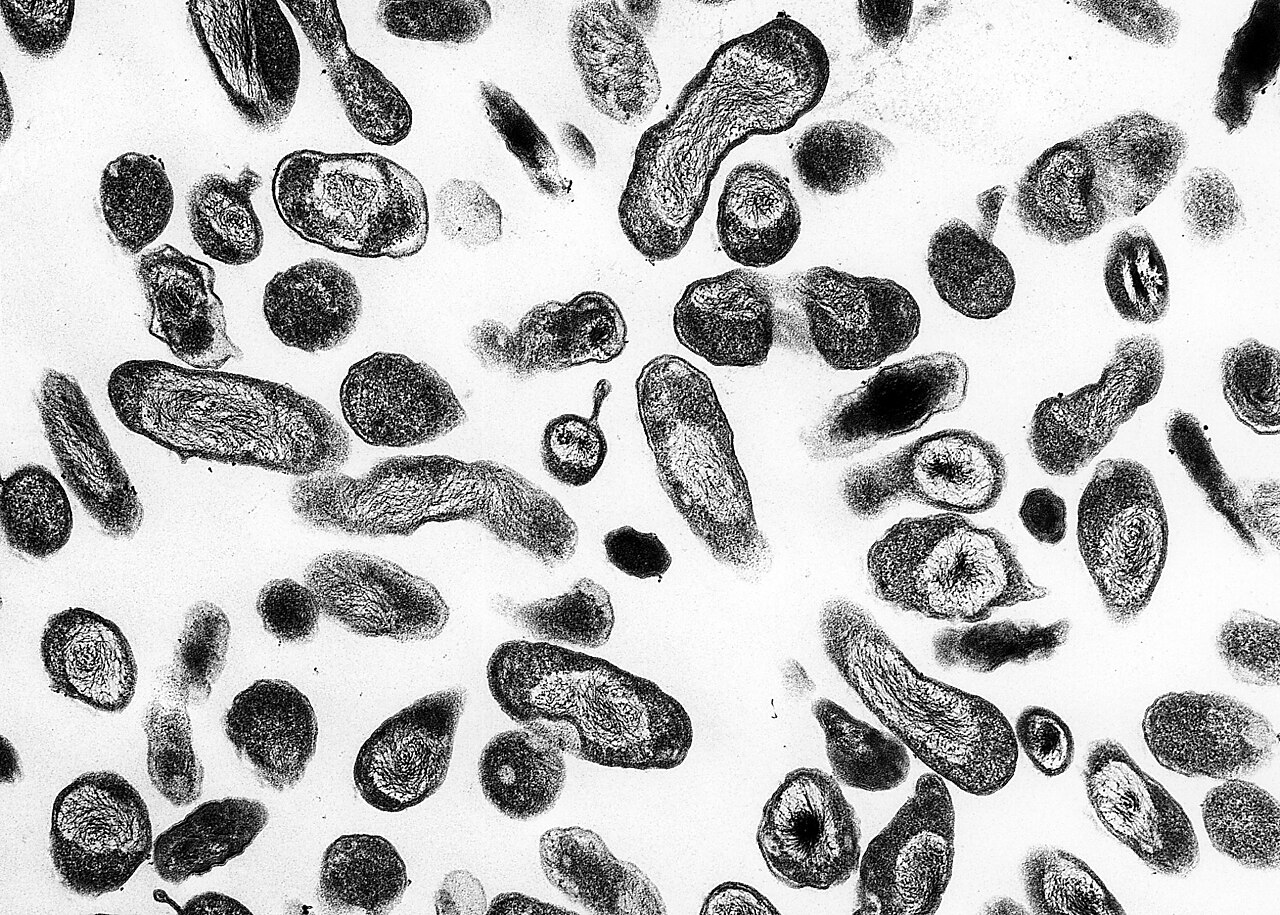
A coccus (plural: cocci) is a bacterial cell whose overall shape is roughly spherical. The term derives from the Greek kokkos, meaning "berry," and is widely used in microbiology to categorize bacteria by morphology. Cocci appear as compact, rounded cells when viewed under a microscope and are one of the principal morphological groups used to describe bacterial species, alongside rod-shaped bacilli and spiral forms. For a general introduction to bacteria, see bacterium.
Image gallery
6 Images

Shape and arrangements
Although cocci are characterized by a rounded outline, they are not always single isolated spheres. The way cocci remain attached after cell division produces distinct arrangements that are useful in identification. Common patterns include:
- Diplococci — pairs of cells formed when division occurs along one plane.
- Streptococci — chains of varying length when repeated divisions occur in a single plane.
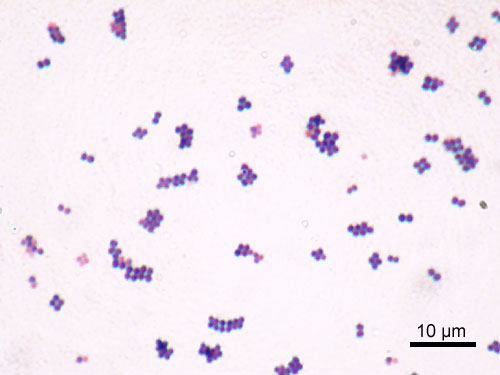
- Staphylococci — irregular, grape-like clusters resulting from division in multiple planes.
- Tetrads and sarcinae — groups of four cells or cubical packets produced by division in two or three perpendicular planes, respectively.
Cell wall, Gram reaction, and mobility
Cocci occur in both Gram-positive and Gram-negative lineages; the chemical structure of the cell wall determines the Gram stain result rather than shape alone. Many clinically important cocci are Gram-positive and possess a thick peptidoglycan layer, but several Gram-negative cocci also exist. Most cocci are non-motile because they lack flagella, although exceptions and variations in surface structures do occur.
Reproduction, ecology, and roles
Cocci reproduce asexually by binary fission. Their ecological roles range from harmless commensals on animal and human surfaces to pathogens that cause localized or systemic infections. Some cocci are part of normal microbiota, contributing to barrier functions and competition with invading microbes; others produce toxins or enzymes that damage tissues and provoke immune responses. Environmental cocci participate in nutrient cycles and are found in soil, water, and associated with plants and animals.
Identification and clinical importance
Microbiologists combine morphological observations with laboratory tests to identify cocci. Key methods include Gram staining, growth on selective media, and biochemical tests such as catalase and coagulase assays. Molecular techniques and mass spectrometry are increasingly used for precise identification. Clinically, distinguishing among coccal genera and species directs treatment and infection control decisions.
Examples and notable genera
Several well-known genera of cocci illustrate the diversity of this group. Examples include Enterococcus, which can colonize the gut and cause urinary or wound infections; Staphylococcus, a cluster-forming genus that ranges from harmless skin residents to significant pathogens; and Streptococcus, which forms chains and includes species that cause strep throat and other diseases. Other genera mentioned in the literature include Abiotrophia and Neisseria, the latter often described as rounded or kidney-shaped diplococci. The word for spherical or circular shape is sometimes linked to terms such as circle in general descriptions, and the historical root is noted here.
Understanding cocci — their arrangements, biochemical traits, and clinical behaviors — is fundamental to microbiology, infectious disease practice, and microbial ecology. Methods for identification continue to evolve, but morphology remains a helpful first step in classifying these ubiquitous spherical bacteria.
Author
AlegsaOnline.com Coccus (cocci): spherical bacteria — form, identification, and significance Leandro Alegsa
URL: https://en.alegsaonline.com/art/21312