
Clinton, Indiana
Clinton is a small city in the U.S. state of Indiana. This article summarizes its location, history, local character, economy, and points of interest in a concise, neutral overview.
Clinton is a small city located in the U.S. state of Indiana, within the broader national context of the United States. Like many towns and cities across the Midwest, Clinton functions as a local center for surrounding rural areas and combines residential neighborhoods, small businesses, and public institutions. Its scale and civic life are typical of small American municipalities, with municipal services, a local school system, and community organizations.
Image gallery
3 Images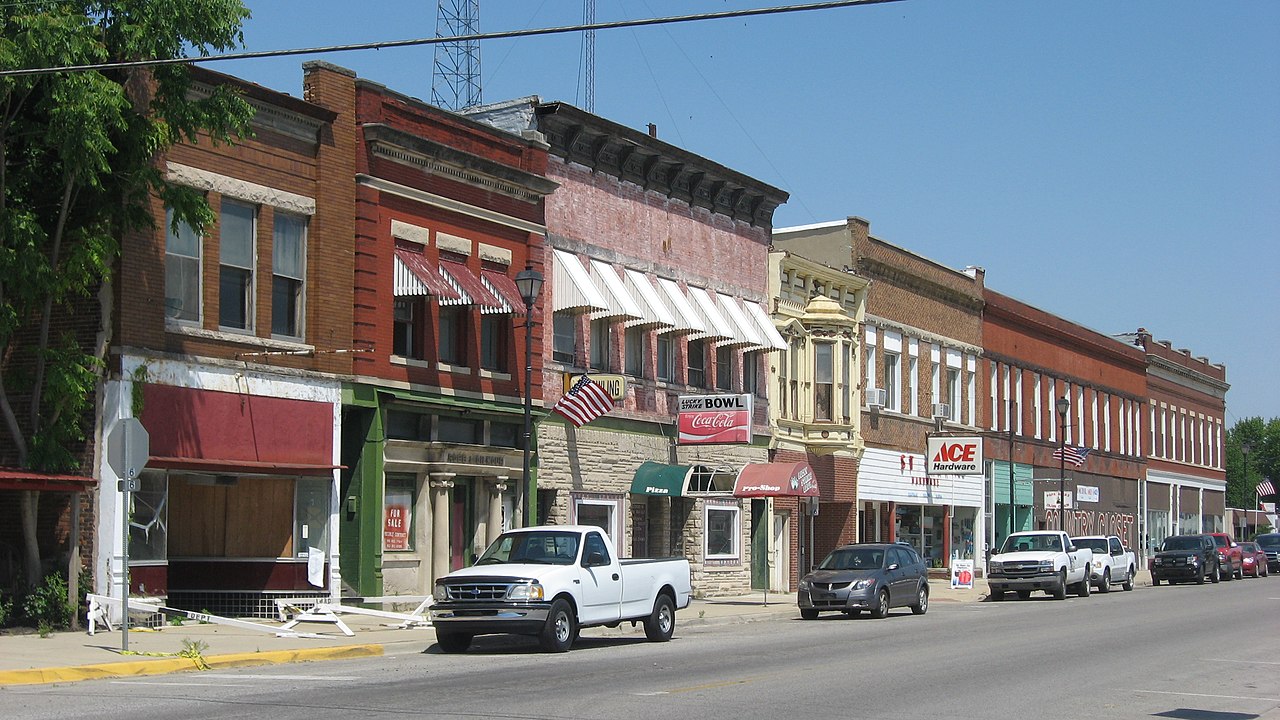


Characteristics and layout
The city typically features a main street or downtown commercial strip, residential blocks with a mix of older homes and more recent construction, and municipal amenities such as parks, libraries, and schools. Local government is generally organized around a mayor or town council and departments that handle utilities, public works, and community planning. Architectural styles often reflect the city’s historical development, with nineteenth- and early twentieth-century commercial buildings alongside later civic structures.
History and origins
Clinton’s origins, like those of many Midwestern towns, trace to settlement and economic development in the nineteenth century when transportation routes, agriculture, and small-scale industry encouraged communities to form. Many American places named Clinton were named in honor of public figures such as DeWitt Clinton, though specific naming histories can vary. Over time, Clinton would have developed institutions such as churches, schools, and local businesses that anchored daily life.
Economy, culture, and community life
The local economy commonly centers on services for residents and the surrounding rural economy: retail, education, health services, light manufacturing, and agriculture. Community life frequently includes high school sports, seasonal festivals, farmers’ markets, and volunteer organizations. These activities help maintain social ties and provide a civic identity distinct from larger urban centers.
Notable facts and distinctions
There are several places named Clinton in the United States, so it is important to distinguish this city by its state and local context. Although small in scale, towns like Clinton play an important role as service and cultural hubs in their regions. Visitors and researchers often look for local historical societies, municipal records, or school archives to learn more about a particular Clinton’s unique past.
- Typical features: downtown commercial district, municipal parks, public schools.
- Common community elements: annual events, volunteer fire department, local civic clubs.
- Research resources: local government offices, historical societies, state archives.
For specific information about municipal services, demographics, or current events in Clinton, consult local government publications or regional resources for Indiana and the United States.
Related articles
Author
AlegsaOnline.com Clinton, Indiana Leandro Alegsa
URL: https://en.alegsaonline.com/art/21027