
Clinton, Massachusetts — a central Worcester County mill town
Clinton is a town in Worcester County, Massachusetts. Founded as a 19th‑century mill town, it had 13,606 residents at the 2010 census and today combines residential neighborhoods, light industry and local services.
Overview
Clinton is a town in Worcester County, Massachusetts, United States. Historically shaped by 19th‑century industrial growth, the community recorded a population of 13,606 at the 2010 census. Today Clinton blends residential neighborhoods, small‑scale manufacturing, local retail and community services while retaining visible reminders of its mill town past.
Image gallery
4 Images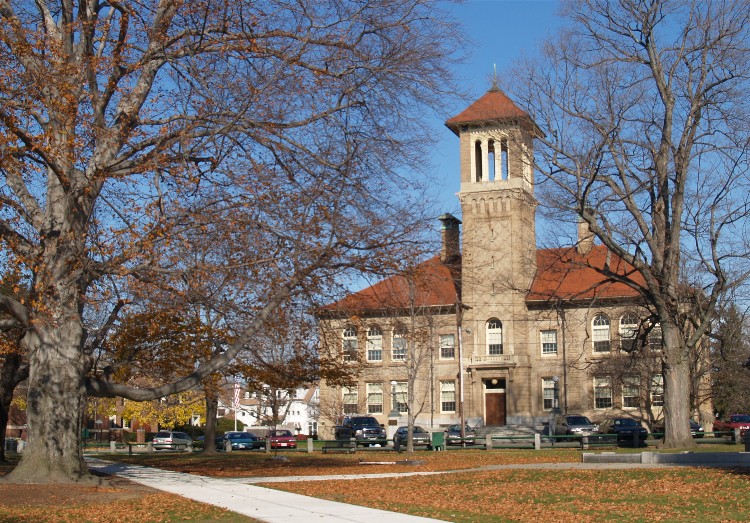


Geography and transportation
Located in central Massachusetts, Clinton occupies a typical New England setting of compact streets, mixed residential and former industrial lots, and nearby open spaces. Regional roads and public transit links provide connections to larger employment and service centers in the Worcester region and beyond. The town's setting makes it a practical base for commuters while preserving a townlike pattern of downtown and neighborhood commercial areas.
History
Clinton developed during the broader industrial expansion of New England. Like many neighboring communities, its 19th‑century growth was tied to mills and factories that used local waterpower and rail access to serve regional markets. Over time, the local economy diversified as manufacturing declined in some sectors and buildings and sites were adapted to new uses. Historic mill structures remain prominent in parts of town and have been repurposed for offices, workshops and housing in several locations.
Demographics and community life
The town's population reflects a mix of longtime residents and newer arrivals who are drawn by housing, schools and community institutions. Local life centers on neighborhood organizations, schools, places of worship, parks and civic events. Annual celebrations, civic meetings and volunteer groups contribute to community cohesion and to efforts to preserve local history and improve public amenities.
Economy, government and services
Clinton's contemporary economy combines light industry, small business, professional services and public employment. Municipal government provides typical town services—public works, education oversight, libraries and emergency services—while regional agencies support planning and economic development. Adaptive reuse of former industrial buildings has become a component of local economic strategy in many New England towns, including Clinton.
Education, recreation and preservation
Public schools and community programs serve families and young residents. Parks, green spaces and recreational programs support outdoor activities and local sports. Historical societies and preservation efforts document the town's industrial heritage and work to retain architecturally or historically important buildings and sites. Local resources, planning documents and town offices provide up‑to‑date information on services, development and events.
Further information
Readers seeking specific, current data on demographics, municipal departments or planning initiatives can consult county and state resources as well as the town's official materials. For general background on the town's setting and history see county and state guides and local historical publications. Representative resources include county pages, state overviews and census summaries available through the links above.
Related articles
Author
AlegsaOnline.com Clinton, Massachusetts — a central Worcester County mill town Leandro Alegsa
URL: https://en.alegsaonline.com/art/21034