
Classical economics: principles, history, and legacy
An overview of classical economics: its central ideas, major figures, historical development, policy influence, and distinctions from other economic schools.
Classical economics is a foundational school of economic thought that emerged in the late 18th and early 19th centuries. It offered systematic explanations of how markets allocate resources, how value and distribution are determined, and why national wealth grows. Classical writers sought general principles that could explain production, trade and income distribution under market arrangements.
Image gallery
2 Images
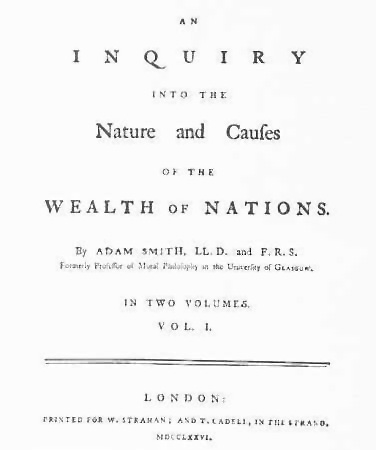
Core ideas and concepts
Key themes include a belief in competitive markets and limited government intervention (often summarized as laissez-faire); the labor theory of value as an early account of relative prices; an emphasis on production, savings and capital accumulation as drivers of growth; and an interest in how output is shared among wages, profits and rent. Say's Law, roughly phrased as "supply creates its own demand," was influential in framing debates about crises and unemployment.
Major contributors
Several thinkers shaped the school and its vocabulary. Adam Smith articulated ideas about division of labor, market mechanisms and the invisible hand. David Ricardo developed the theory of comparative advantage and refined distributional analysis. Thomas Malthus emphasized population dynamics and its economic consequences, while Jean-Baptiste Say stressed production and entrepreneurship. John Stuart Mill later synthesized and tempered several classical positions.
Applications and influence
Classical economics influenced 19th-century policy debates over trade, taxation and public finance, and it provided an intellectual foundation for free trade arguments and many industrial-era reforms. Its methods—formalizing economic relationships and seeking general laws—also set the stage for later theoretical developments.
Caveats, criticisms and legacy
Critics pointed to the classical school's difficulties explaining persistent unemployment, price adjustments and monetary phenomena. By the late 19th century, the marginal revolution (new approaches to value and utility) displaced some classical explanations, leading to the rise of neoclassical economics. Nevertheless, many classical insights—on comparative advantage, the role of capital accumulation, and the distributional consequences of production—remain integral to modern economic thought.
Distinct from mercantilism, which emphasized state accumulation of bullion and trade advantages, classical economics argued for production-led wealth and international specialization. Though transformed over time, its questions about value, distribution and growth continue to shape economic inquiry and policy discussion.
Related articles
Author
AlegsaOnline.com Classical economics: principles, history, and legacy Leandro Alegsa
URL: https://en.alegsaonline.com/art/20773