
Commodity market: structure, history, functions, and contemporary issues
Overview of commodity markets: what they trade, how markets are organized, historical development, uses (hedging, price discovery), examples, and key distinctions with other financial markets.
Overview
A commodity market is a venue where primary goods—known as raw commodities—are bought, sold and priced. These markets include transactions for physical delivery (spot markets) and contracts that settle at a later date (derivatives). Trading takes place on regulated exchanges and over-the-counter platforms. Participants range from producers and consumers to speculators and institutional investors. Commodity prices influence inflation, industrial costs and food security worldwide.
Image gallery
4 Images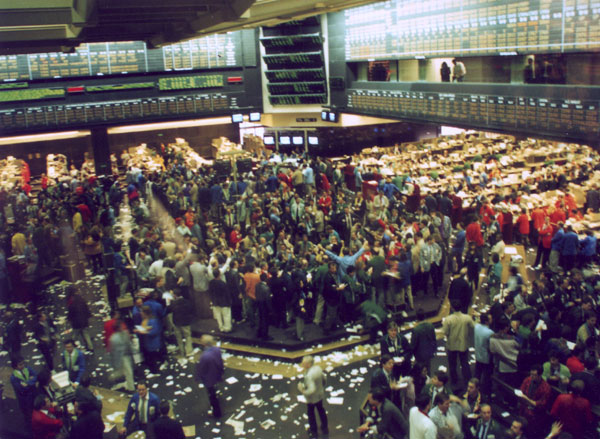


Structure and common instruments
Commodity trading relies on a set of standardized mechanisms so buyers and sellers can trade efficiently. Key elements include standardized contracts that define quantity and quality, futures contracts that allow buying or selling at a preset price, and options that give the right but not the obligation to trade. Clearinghouses reduce counterparty risk, and margining systems ensure performance. Markets can be split into physical trading and financialized trading where many participants never take delivery.
Types of commodities and market participants
- Major groups: agricultural (wheat, corn), energy (crude oil, natural gas), metals (gold, copper) and, in some regions, power and emissions credits.
- Participants: producers (farmers, miners), commercial consumers (manufacturers, utilities), traders, hedge funds, and long-term investors.
- Market places: exchanges, electronic trading platforms and bilateral over-the-counter deals. For lists of traded items and typical units see resources such as the list of traded commodities.
History and development
Commodity exchanges evolved as a response to the needs of producers and merchants to manage price risk and coordinate supply. Organized trading in agricultural staples and metals dates back centuries, while formalized, regulated futures exchanges grew during the 18th and 19th centuries as transportation and industrial demand expanded. In the late 20th and early 21st centuries electronic trading, index products and broader financial participation transformed liquidity and price dynamics.
Uses and economic importance
Markets serve several practical functions. Hedging tools let farmers, energy firms and manufacturers lock in prices to reduce business risk. Futures and options support price discovery—collective assessment of supply and demand expectations—and provide liquidity. Commodity derivatives are also used by portfolio managers for diversification. Electricity and perishable goods present special features, such as limited storability and close links to weather and seasons.
Common dynamics and controversies
Prices in commodity markets can be volatile because of weather, geopolitical events, supply disruptions and changing demand. Technical patterns such as contango and backwardation describe relationships between spot and forward prices and influence storage and trading decisions. Critics argue that excessive financial speculation can exacerbate price swings and harm consumers, particularly for food commodities; defenders point out that liquid markets improve risk allocation and facilitate trade. Regulation, transparency and market surveillance are ongoing policy topics.
Distinctions and related markets
Commodity markets differ from stock markets and bond markets because they trade physical inputs rather than ownership stakes or debt instruments. Nevertheless, modern markets have blurred lines: commodities can be packaged into financial products, included in indices, or embedded in structured investment vehicles. Electricity and emissions trading show how commodity-style markets can be adapted for services and regulatory goals.
Further reading and market data are available through exchange publications, regulatory reports and specialized analytical services. For practical guides and contract specifications consult exchange rulebooks and clearinghouse materials, which explain delivery procedures, margining and settlement conventions in detail. For introductory explanations of contract types and trading mechanics see general resources on contracts and market structure, or visit educational pages provided by major exchanges and regulators (raw commodities reference material).
Additional comparative and practical resources: standardized contract examples, equity market contrasts, fixed-income distinctions, and curated lists of traded items and units (traded commodities list).
Questions and answers
Q: What are commodity markets?
A: Commodity markets are markets where raw or primary products are exchanged.
Q: How are raw commodities traded in commodity markets?
A: Raw commodities are traded on regulated commodities exchanges, in which they are bought and sold in standardized contracts.
Q: What does the article focus on?
A: The article focuses on the history and current debates regarding global commodity markets.
Q: What kind of physical products are covered in the article?
A: The article covers physical product (food, metals, electricity) markets.
Q: What is excluded from the commodities markets?
A: The ways that services, including those of governments, nor investment, nor debt, can be seen as a commodity, are excluded from commodity markets.
Q: Which concerns are covered separately and in more depth in the article?
A: Reinsurance markets, stock markets, bond markets, and currency markets are covered separately and in more depth in the article.
Q: What is the relationship that the article focuses on?
A: One focus of the article is the relationship between simple commodity money and the more complex instruments offered in the commodity markets.
Related articles
Author
AlegsaOnline.com Commodity market: structure, history, functions, and contemporary issues Leandro Alegsa
URL: https://en.alegsaonline.com/art/21981