
Classic cycle races
One‑day professional road cycling events in Western Europe, historic and prestigious. Include the five Monuments; define seasonal highlights, terrain types, tactics and their role in riders' careers and calendars.
Overview
Classic cycle races are the premier one‑day professional road events in international cycling. Distinct from multi‑day stage races, classics are single‑day tests that often combine demanding terrain, unpredictable weather and a long tradition. They attract specialists whose palmarès and reputations are built around victories in these high‑profile contests. For a curated index and schedules see list of races.
Image gallery
3 Images

Geography and timing
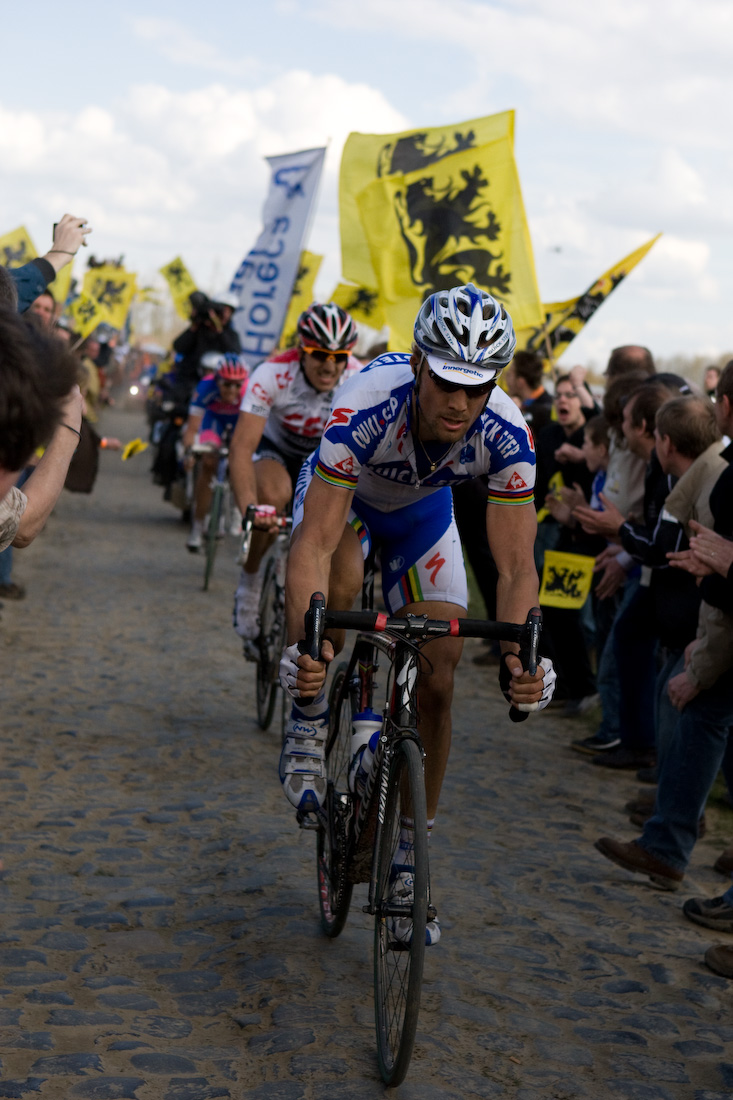
Most classics are held in western Europe, concentrated in countries such as Belgium, France, Italy and the Netherlands. Many are tied to particular weeks or seasons — for example, a cluster of spring events in northern Europe is followed by autumn races in southern climes — so they form recurring highlights of the racing calendar. The geographic focus and long continuity of many events make them culturally important in their home regions; see a regional guide at western Europe.
Characteristics and course types
- Cobbled classics: paved but rough sectors that reward power, bike handling and resilience.
- Hilly or ‘punchy’ classics: routes with short, steep climbs that suit explosive riders.
- Long, endurance classics: very long distances where stamina and race craft decide outcomes.
These variations influence team selection and equipment choices: tyre width, gearing, and reinforced frames are common adaptations.
Monuments and notable races
A subset of the classics is often called the Monuments — the five most prestigious one‑day races. Winning a Monument is a major career milestone. Other well‑known events and stage races coexist on the same calendar; the classics became part of the organised elite circuit when they were included in the professional series such as the UCI ProTour, administered by the Union Cycliste Internationale. Comparable grand stage races include the Tour de France and the Giro d'Italia, showing how one‑day and multi‑day competitions form the sport's backbone.
History and evolution
Many classics trace their origins to the late 19th and early 20th centuries and have been run for decades with only gradual changes. Their continuity has created storied rivalries and iconic moments in cycling history. Over time the sport’s calendar and organisational structures have evolved — series names and governance have changed — but the basic concept of a standalone, high‑prestige one‑day race remains constant.
Importance, tactics and riders
For teams and sponsors, classics offer visibility and commercial value because they are widely covered and decisive. Tactically, classics emphasize positioning, reading of the race, and well-timed attacks. Successful competitors tend to be specialists: powerful rouleurs for long, exposed classics; cobble‑savvy riders for northern events; and punchy climbers for hilly monuments. National pride and local traditions also make many classics cultural as well as sporting landmarks.
Questions and answers
Q: What are the classic cycle races?
A: The classic cycle races are the most important one-day professional cycling road races in the international calendar.
Q: Where are these races held?
A: These races are normally held in western Europe.
Q: How long have these events been on the professional calendar?
A: Most of these events have been on the professional calendar for decades, and some even date back to the 19th Century.
Q: Are there any special names given to certain classic cycle races?
A: Yes, in recent years, five top races have sometimes been referred to as 'Monuments'.
Q: What is the UCI ProTour?
A: The UCI ProTour is an event series run by the Union Cycliste Internationale which includes various stage races such as Tour de France, Giro d'Italia, Vuelta a España, Paris-Nice and Critérium de Dauphiné Libéré as well as non-Classic single day events.
Q: How does it differ from other cycling series?
A: It differs from other cycling series because it contains only one-day race events.
Q: When did this event series start replacing other cycling series?
A: This event series started replacing other cycling series from 2005 onwards.
Related articles
Author
AlegsaOnline.com Classic cycle races Leandro Alegsa
URL: https://en.alegsaonline.com/art/20766