
Clarke County, Iowa — overview, history, and communities
Clarke County is a rural county in south-central Iowa with Osceola as its county seat; the article summarizes its location, history, economy, demographics, and local institutions.
Clarke County is a county located in the U.S. state of Iowa. According to the 2010 census, 9,286 people lived there. Its administrative center and largest city is the county seat, Osceola, commonly referenced by name and linked here as Osceola. The county is characterized by a mix of small urban centers and agricultural landscape typical of this part of the Midwest.
Image gallery
3 Images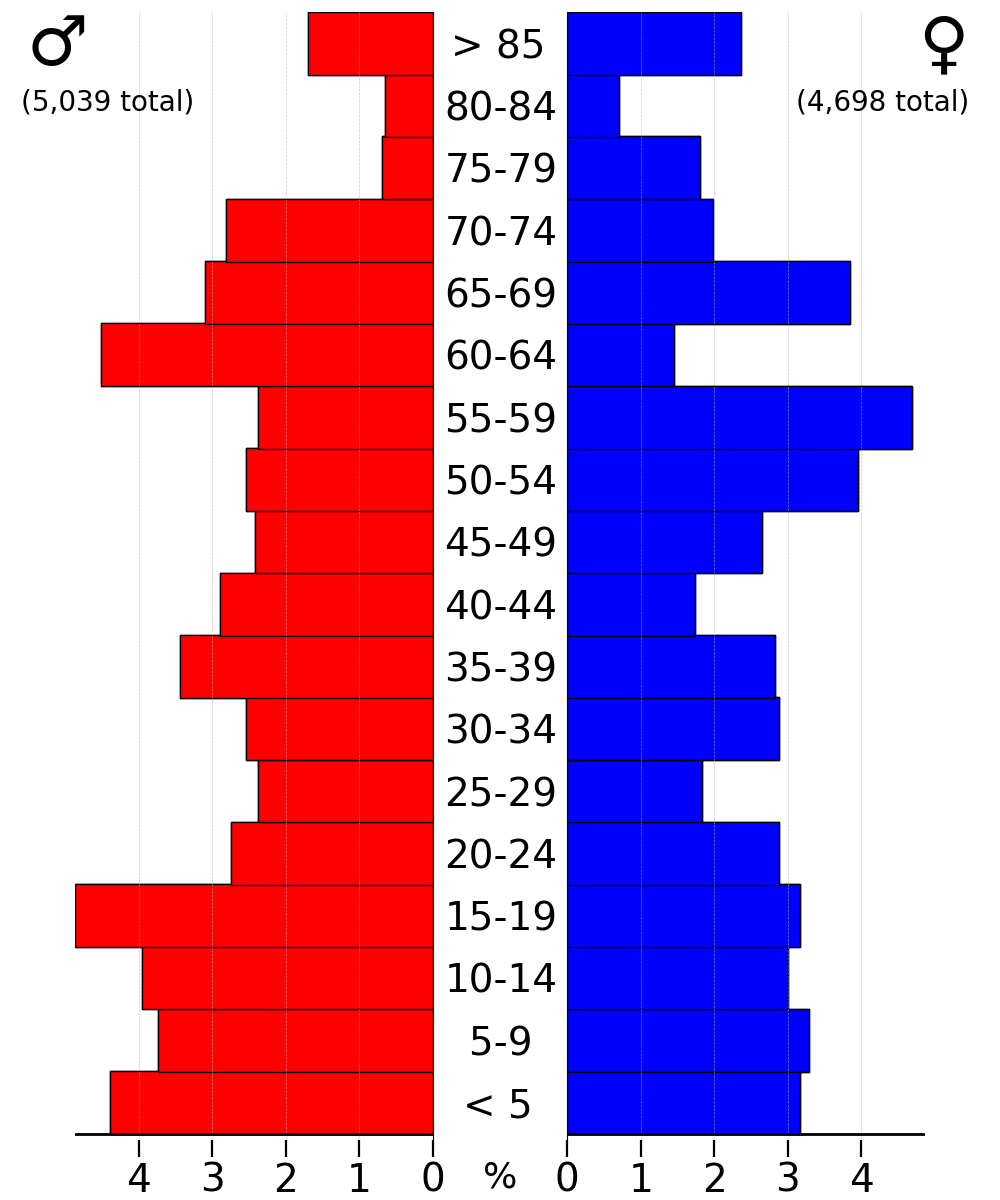


Geography and communities
Clarke County lies in a region of rolling plains, with farms, small towns and transportation routes that connect it to larger regional markets. The county seat functions as the primary service hub for surrounding townships and unincorporated settlements. Local roads and rail corridors historically supported agricultural shipping and continue to influence local development patterns.
History and development
The area that became Clarke County was settled during the 19th century as migrants moved westward across the United States. Like many Iowa counties, it was organized and developed around farming, county government, and small-town institutions such as schools and churches. Over time county facilities, courts and civic organizations established Osceola as the center of local government and commerce.
Economy, services and demographics
Clarke County’s economy is largely based on agriculture, agribusiness and service industries that support rural life. Small manufacturers, retail businesses, public services and health care also contribute to employment in the county seat and nearby towns. Demographically, the county has a relatively small population by national standards, with population trends shaped by agricultural consolidation and urban migration.
Government, education and notable features
The county government provides typical local services: courts, public records, law enforcement, road maintenance and social services. Public and private schools serve families across the county, with a high-school-centered pattern of extracurricular and civic engagement in Osceola and other towns. Local parks, historic sites and community events preserve regional heritage and offer recreational opportunities.
For further information
- County government and public records offices provide current administrative details and services.
- Local historical societies and libraries maintain archives on settlement, agriculture and community life.
- Regional planning agencies publish economic and demographic reports that describe changes since the 2010 census.
Readers seeking maps, contact information for county departments, or up-to-date population and economic statistics should consult official county web pages and state resources for the most recent data.
Related articles
Author
AlegsaOnline.com Clarke County, Iowa — overview, history, and communities Leandro Alegsa
URL: https://en.alegsaonline.com/art/20729