
Clandestine Immigration and Naval Museum (National Israeli Museum of the Sea)
Haifa museum documenting Jewish clandestine immigration under the British Mandate and the development of the Israeli navy, with historic vessels, artifacts, models and educational exhibits.
The Clandestine Immigration and Naval Museum, commonly known as the National Israeli Museum of the Sea, is a maritime museum in Haifa that interprets Israel's seafaring past. Its displays focus on two closely linked themes: clandestine Jewish immigration to Palestine during the British Mandate and the formation and history of the Israeli navy. The museum connects personal stories, shipwrecks and naval technology to wider political and social developments.
Image gallery
4 Images
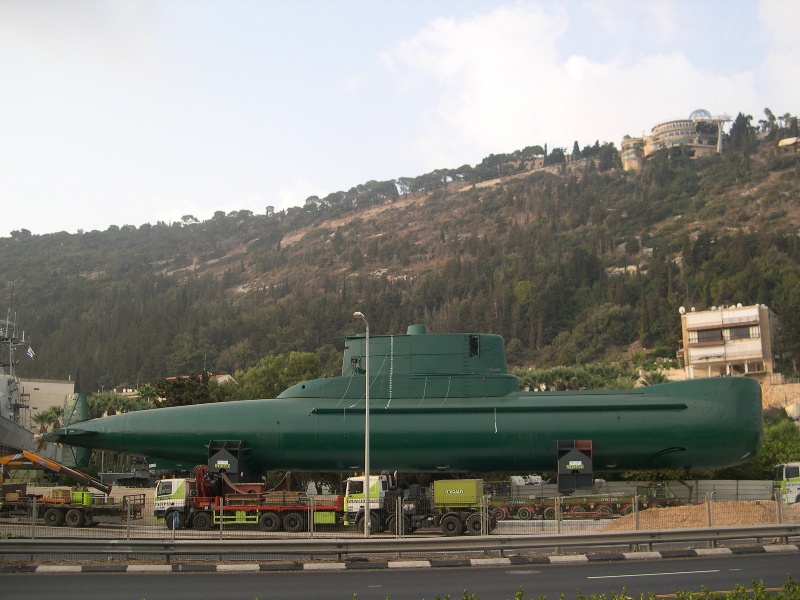


Location and setting
The museum occupies a waterfront site in Haifa, where visitors can view exhibits in buildings and outdoor spaces near the Mediterranean shoreline. For maps and coordinates see the site's location reference here. The coastal setting helps place artifacts—small boats, life-saving equipment and larger hulls—in their maritime context.
Collections and key exhibits
Collections combine artifacts, interpretive panels, models and recovered vessels. Typical exhibits include:
- Remnants of immigrant ships and life-saving gear used during clandestine voyages;
- Exhibits on the networks and organizations that organized immigration under the British Mandate and the obstacles refugees faced;
- Displays on the establishment, missions and vessels of the Israeli navy, including training, coastal defense and humanitarian operations.
Interactive elements often allow visitors to study maps, listen to survivor testimony and examine ship plans. The juxtaposition of clandestine immigration artifacts and naval material highlights both civilian peril and organized maritime defense.
History and significance
The museum's narrative begins with the early 20th-century movement of Jewish refugees by sea and intensifies with clandestine immigration during the British Mandate period, when many ships attempted to reach Palestine despite immigration restrictions under mandate rule. Later sections trace the conversion of seafaring experience into naval institutions after Israel's independence, showing how former immigrant sailors and maritime volunteers contributed to national defense and maritime culture.
As an educational resource, the museum offers guided tours, school programs and temporary exhibitions that explore migration, national history and maritime heritage. Its combination of personal testimony and technical material makes it useful to researchers, students and general visitors interested in migration history, naval affairs and coastal archaeology.
Notable facts include the museum's role in preserving fragile wooden hulls and oral histories, and its placement within Haifa's broader maritime landscape, where port activity, naval facilities and civilian waterfront development coexist. The institution thus functions both as a repository of objects and as a center for public memory about sea-borne migration and naval service.
Related articles
Author
AlegsaOnline.com Clandestine Immigration and Naval Museum (National Israeli Museum of the Sea) Leandro Alegsa
URL: https://en.alegsaonline.com/art/20657