
Clacton-on-Sea
Coastal town in the Tendring district of Essex, England, known as a Victorian-era seaside resort, with beaches, a pier, transport links including the A133, and archaeological importance for early Paleolithic tools.
Overview
Clacton-on-Sea is a medium-sized coastal town on the north-east Essex coast, in the district of Tendring and the county of Essex. It is a seaside resort with a largely residential population of about 55,000 people and a reputation as a popular destination for day trips and retirement living. The town faces the North Sea and combines a traditional promenade, sandy beaches and a compact urban centre.
Image gallery
10 Images



Characteristics and features
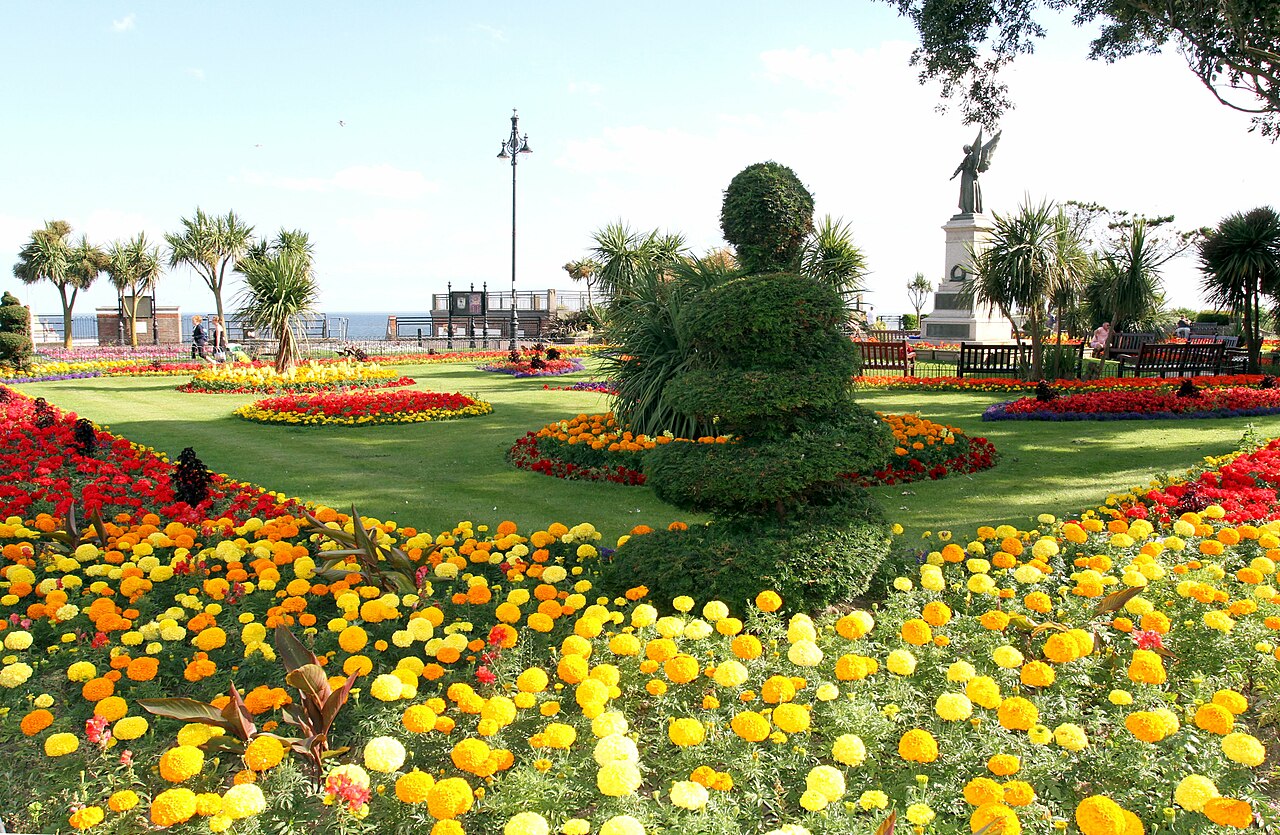
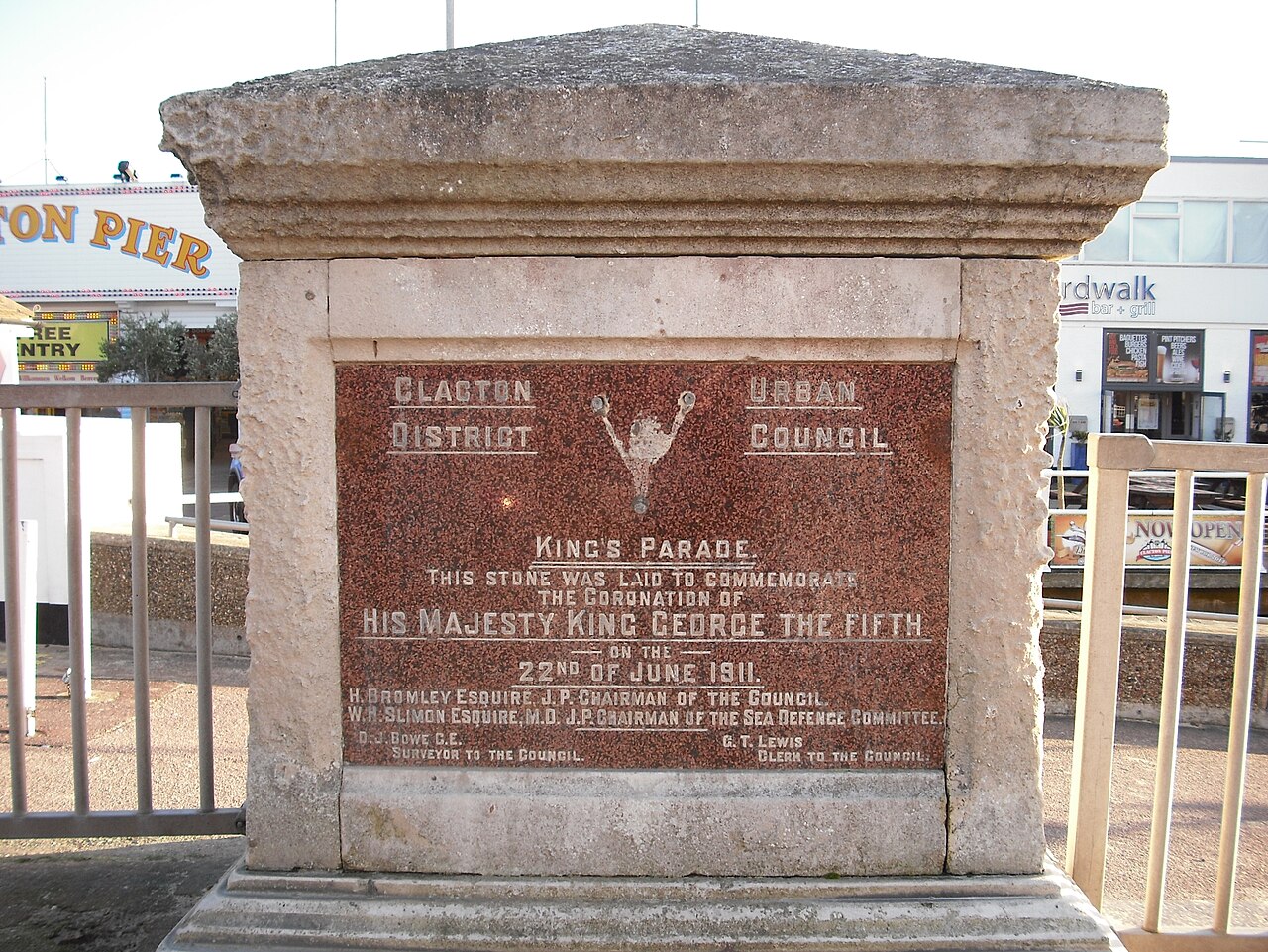
The seafront is a focal point and includes a pier, leisure facilities, cafes and arcades. Inland areas contain shopping streets, civic buildings and parks. The town caters to seasonal visitors with caravan parks, modest hotels and entertainment venues, while year‑round services support a significant older demographic. Local life mixes tourism-related commerce with everyday community amenities.
History and development
Clacton developed as a seaside resort in the later 19th century when coastal towns became fashionable for leisure and health. Growth concentrated along the shore, with promenades and piers drawing visitors. Over time the town extended inland as housing and local industry expanded to serve the resident and visiting population.
Transport and access
Clacton is connected by road and rail to the surrounding region. The A133 is a main road leading into the town and links it with nearby centres, while rail services provide connections to larger towns and onward journeys. Local bus services and walking routes serve the seafront and neighbourhoods.
Notable facts and significance
- Archaeology: The area is notable in prehistory for flint tools discovered locally; the term “Clactonian” is used for a Lower Paleolithic industry originally identified from finds in the locality.
- Economy: Tourism, care and service industries are important to the local economy, reflecting the mix of visitors and long‑term residents.
- Character: Clacton retains elements of a traditional British seaside town while adapting to changing patterns of coastal tourism and local needs.
For further local information consult district and county resources or local visitor guides for up‑to‑date details about attractions, transport and events.
Related articles
Author
AlegsaOnline.com Clacton-on-Sea Leandro Alegsa
URL: https://en.alegsaonline.com/art/20625