
Clallam County, Washington: geography, history, communities and attractions
Clallam County on Washington's Olympic Peninsula: overview, geography, history, communities, economy, recreation, and the origin of its Klallam name.
Overview
Clallam County occupies the northern edge of the Olympic Peninsula in Washington, in the United States. It is known for a mix of coastal shorelines, temperate rainforests and mountain terrain. The county seat is the city identified as the county seat, Port Angeles, and the population was recorded at about 71,404 at the 2010 census.
Image gallery
6 Images



Geography and environment
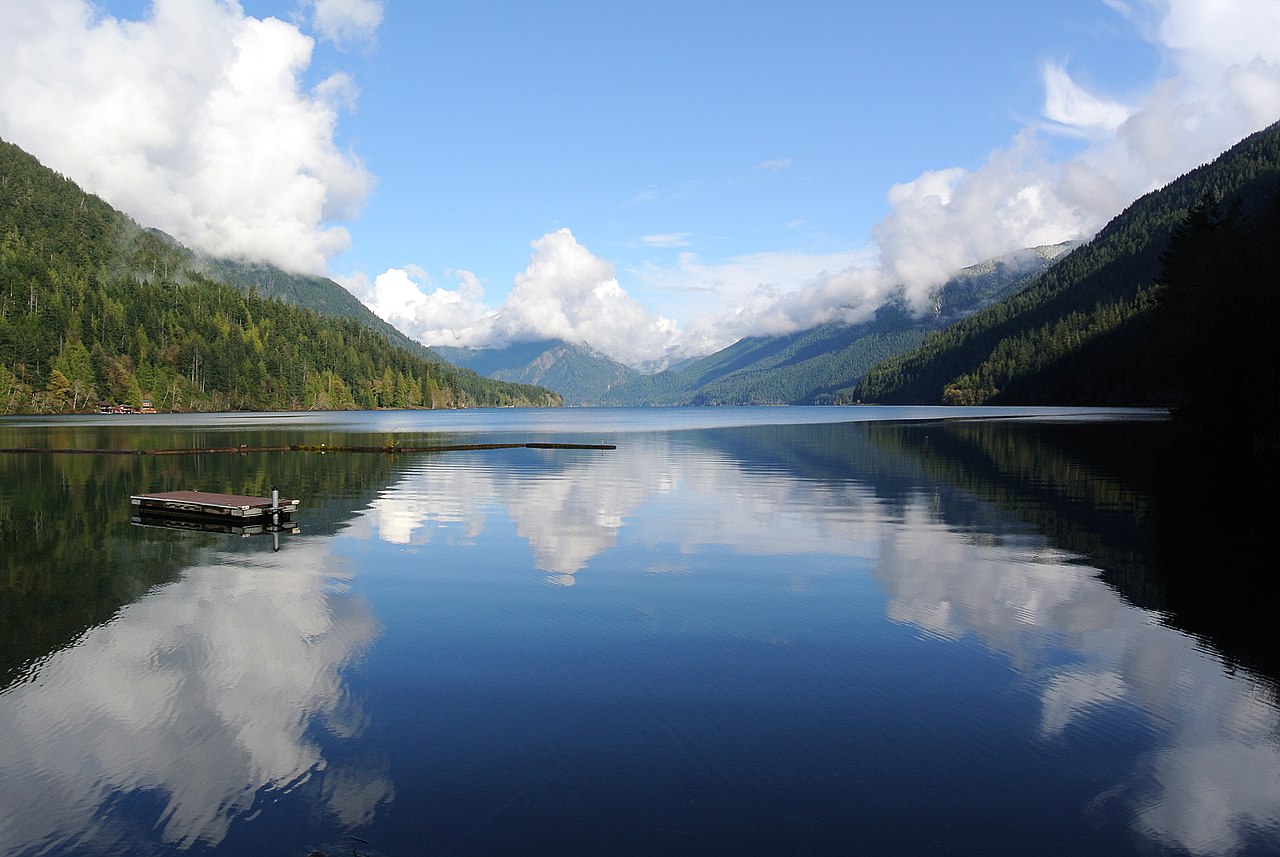
Clallam County borders the Strait of Juan de Fuca to the north and contains parts of the Olympic Mountains and lowland coastal plains. The landscape includes old-growth and second-growth forests, rivers that flow to the Pacific and sheltered bays that support marine life. Much of the interior is protected within Olympic National Park and nearby national forests, contributing to biodiversity and scenic wilderness.
History and name
The county's name derives from the Klallam people; the word "Clallam" or "Klallam" is commonly translated as "the strong people." Native communities, including several federally recognized Klallam and other Coastal Salish tribes, have long inhabited the area. Euro-American settlement intensified in the 19th century with logging, fishing and maritime commerce shaping growth.
Communities and economy
Besides Port Angeles, the county includes towns such as Sequim, Forks and Neah Bay, each with distinct local economies. Traditional industries include timber, fishing and shellfish. Tourism and recreation—hiking, wildlife viewing, camping and sport fishing—are important today, supported by parks, trails and coastal access.
Culture, recreation and notable facts
Clallam County is a destination for outdoor enthusiasts and for those interested in coastal and Indigenous cultures. Visitors come for Olympic National Park, scenic drives, and regional seafood. The county balances conservation with small-city services and community events that celebrate local history and natural resources.
Practical information
- Seat: Port Angeles.
- Major attractions: Olympic National Park, coastal shorelines, forested trails.
- Cultural note: The name references the Klallam people and their enduring presence in the region.
Related articles
Author
AlegsaOnline.com Clallam County, Washington: geography, history, communities and attractions Leandro Alegsa
URL: https://en.alegsaonline.com/art/20647