
Chuquisaca Department (Bolivia): overview, geography, history and notable sites
Chuquisaca is a department in south-central Bolivia whose capital is Sucre, the constitutional capital of the country. The region is known for colonial heritage, Andean valleys, and protected natural areas.
Overview
The Chuquisaca Department is an administrative region of Bolivia. It is often presented in national contexts as the place of the constitutional capital, Sucre. The department combines important public institutions with rural and indigenous communities, and it plays a distinct role in Bolivia's political and cultural geography. See general information about the department here.
Image gallery
4 Images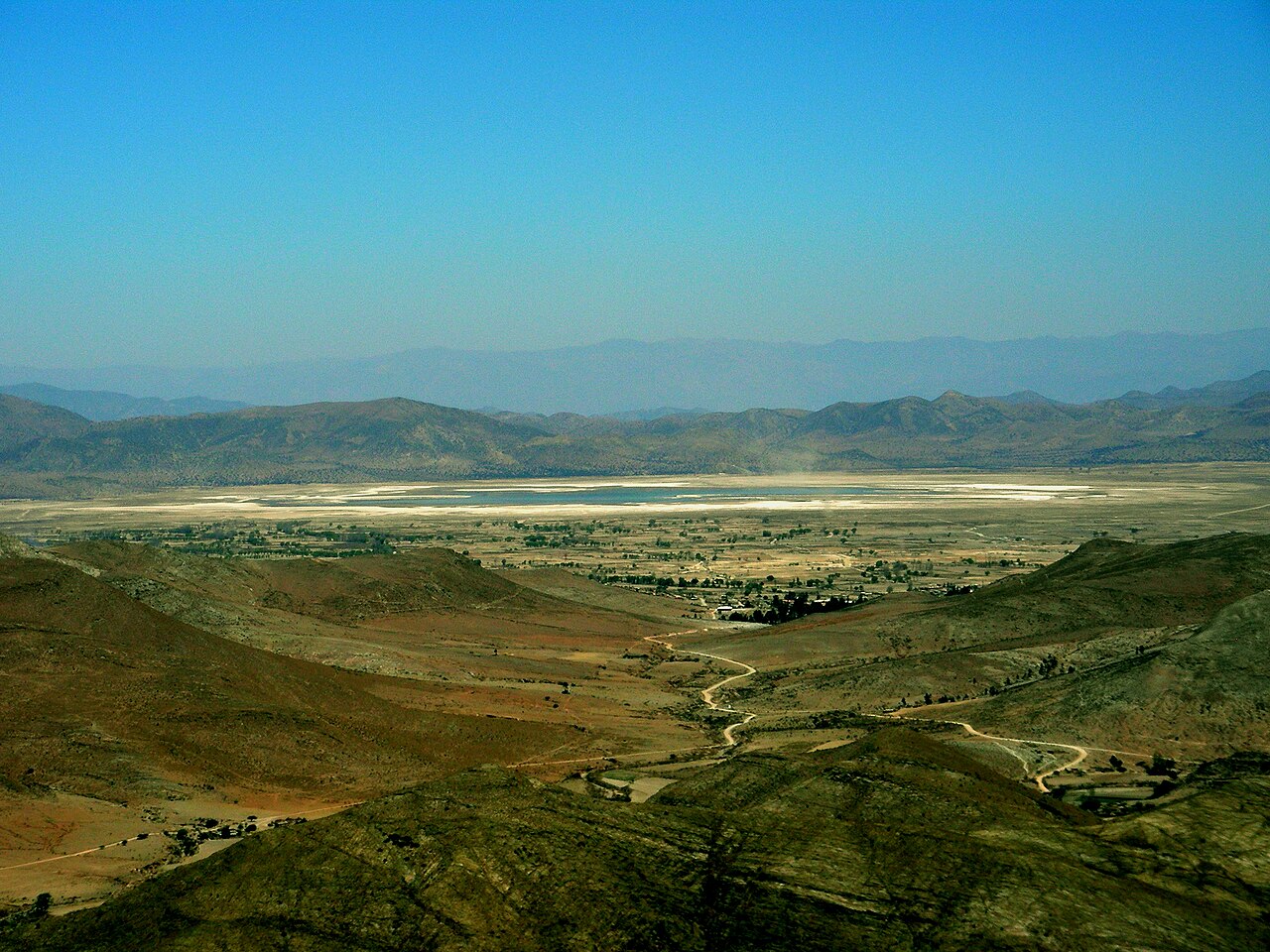


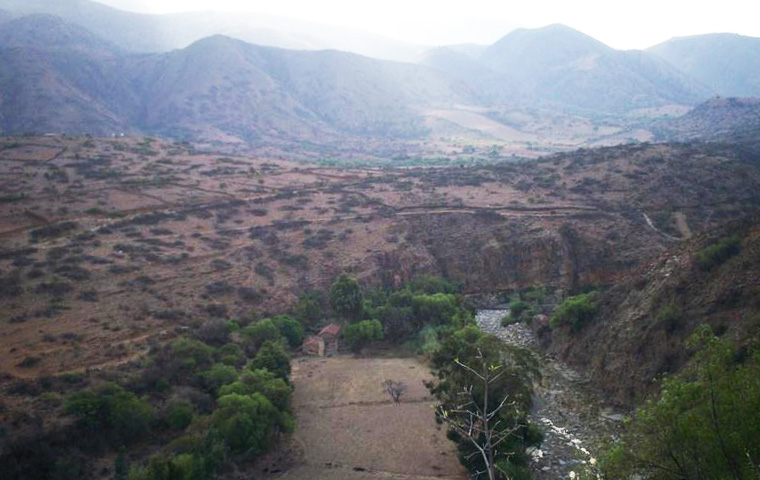
Geography and environment
Chuquisaca occupies a zone of highland valleys and mountainous terrain where Andean ridges give way to intermontane basins. Climate and vegetation vary with altitude: higher areas are cooler and drier, while lower valleys support agriculture and native woodlands. The department includes protected landscapes and ecological reserves that conserve endemic species and traditional uses of land.
History and culture
The city of Sucre has deep colonial-era architecture and an historic center recognized for its preservation. The department was a key theater during independence-era events in the early 19th century and later became an institutional center for the young republic. Indigenous Quechua-speaking communities and mestizo urban populations together shape local languages, crafts, music and festivities.
Economy, administration and importance
Economic activity in Chuquisaca mixes public administration and services with agriculture, livestock and artisanal mining in rural areas. As host to the constitutional capital, the department contains national judicial institutions and cultural agencies, which influence local employment and infrastructure.
Notable places and protected areas
- Sucre: historic center noted for colonial buildings and civic institutions.
- El Palmar Integrated Management Natural Area: a protected site conserving local flora and fauna and supporting regulated human use.
- Rural valleys and provincial towns that preserve traditional crafts, religious festivals and regional cuisine.
Visitors and researchers value Chuquisaca for its combination of historical significance, living traditions and natural sites, making it an important region for cultural tourism, conservation and the study of Andean societies.
Related articles
Author
AlegsaOnline.com Chuquisaca Department (Bolivia): overview, geography, history and notable sites Leandro Alegsa
URL: https://en.alegsaonline.com/art/20301
Sources
- cia.gov : "The World Factbook"
- tools.wmflabs.org : 20°00′S 64°25′W / 20.000°S 64.417°W / -20.000; -64.417