
Christian VII of Denmark (1749–1808)
King of Denmark and Norway from 1766 to 1808. His reign is remembered for severe mental illness, the reforming but brief rule of Johann Friedrich Struensee, a political reaction and long regency that preceded his son’s rule.
Overview
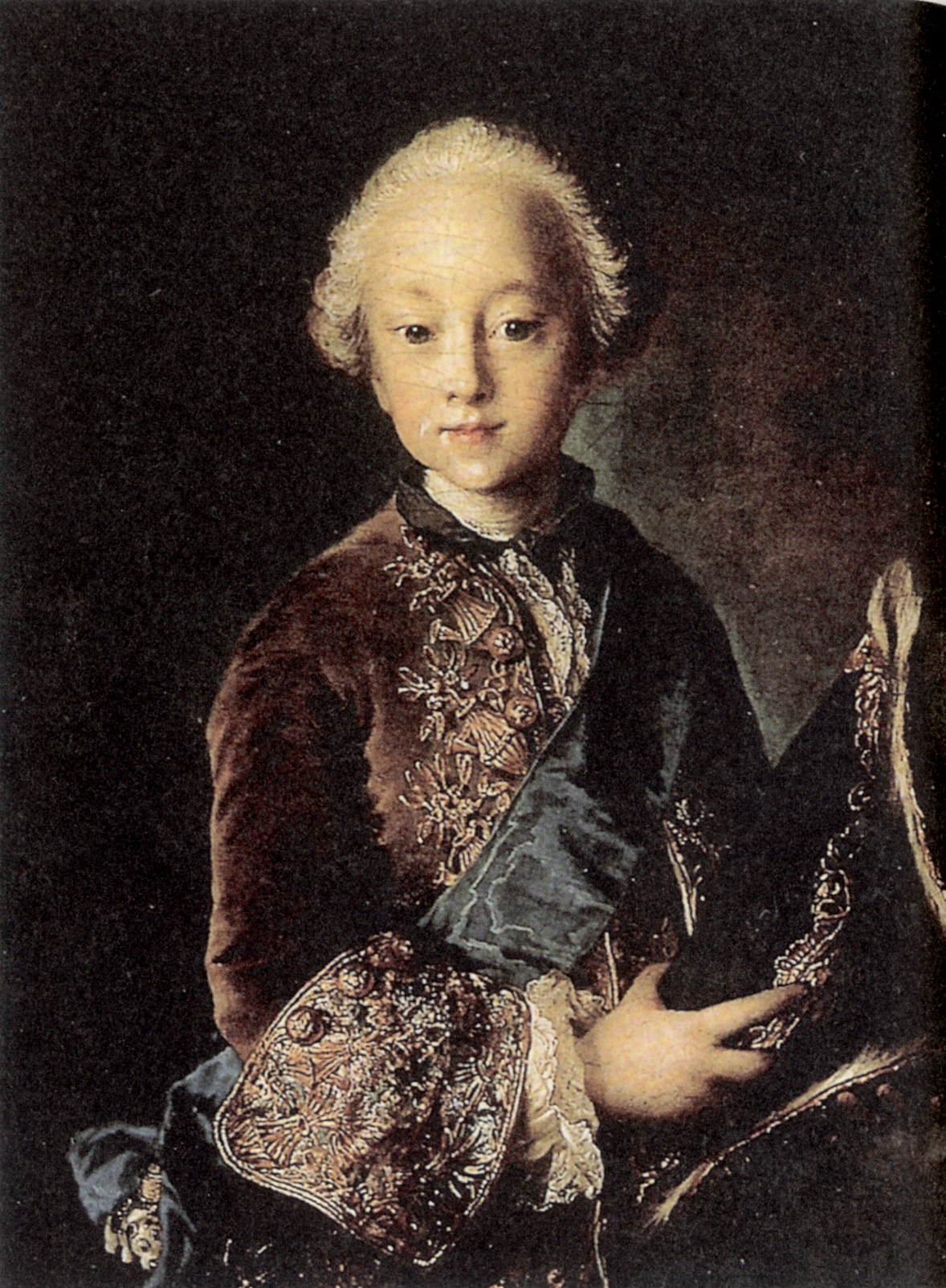
Christian VII (29 January 1749 – 13 March 1808) was monarch of Denmark and Norway from 1766 until his death, and duke of Schleswig and Holstein (Schleswig and Holstein). The son of King Frederick V and Louise of Great Britain, he assumed the crown as a teenager and married Caroline Matilda of Great Britain in 1766.
Image gallery
10 Images


Reign and political developments
Christian’s reign saw a turbulent mix of court intrigue, reformist energy and conservative reaction. Because of his erratic behaviour and poor health he delegated power to court ministers and physicians. During the early 1770s Johann Friedrich Struensee, the king’s physician, emerged as a dominant influence and initiated a rapid programme of government reforms inspired by Enlightenment ideas. Those changes provoked intense opposition and ended with a palace coup in 1772 that led to Struensee’s arrest and execution and the exile of Queen Caroline Matilda.
Personal life and health
Contemporary accounts describe Christian as unstable, prone to withdrawal, eccentric conduct and unpredictable moods. Modern historians and medical commentators have suggested various diagnoses — including severe mental disorder or psychosis — but precise identification remains uncertain. He fathered the future King Frederick VI, yet during much of his adult life he was unable to exercise sustained political leadership.
Later years and regency
After the fall of Struensee the king remained the legal sovereign but real authority was exercised by rival court factions and regents. In 1784 Crown Prince Frederick staged a political takeover and governed in practice as regent for many years. Christian VII retained the throne until his death in 1808, largely as a constitutional figure who symbolized continuity while others managed state affairs.
Legacy and notable facts
- His marriage to Caroline Matilda linked Danish royalty to the British royal family; she played a central role in the Struensee episode.
- The Struensee period is notable for its ambitious, if short-lived, Enlightenment-inspired reforms and for provoking a conservative backlash.
- Christian’s life has inspired historical study and cultural portrayals, including modern films and scholarship that examine monarchy, mental illness and reform in the late 18th century.
Christian VII’s reign is often studied as an intersection of personal incapacity, transformative political ideas and the resilience of dynastic institutions. For further context see contemporary biographies and scholarly surveys of late 18th-century Scandinavian political history.
Related articles
Author
AlegsaOnline.com Christian VII of Denmark (1749–1808) Leandro Alegsa
URL: https://en.alegsaonline.com/art/20109