
Chiriku Hachiman-gū (Chiriku Hachiman Shrine)
Chiriku Hachiman-gū is a Shinto shrine in Miyaki, Saga Prefecture, dedicated to Hachiman. It serves as a local religious, cultural, and community center with traditional architecture and annual festivals.
Chiriku Hachiman-gū (千栗八幡宮), also called Chiriku Hachiman jinja, is a prominent Shinto sanctuary located in Miyaki, within Saga Prefecture on the island of Kyūshū. The shrine is part of the broad network of Hachiman shrines that honor Hachiman, a widely venerated kami associated with protection and the martial tradition. Local names and festival customs reflect its role as both a place of worship and a community focal point.
Image gallery
8 Images

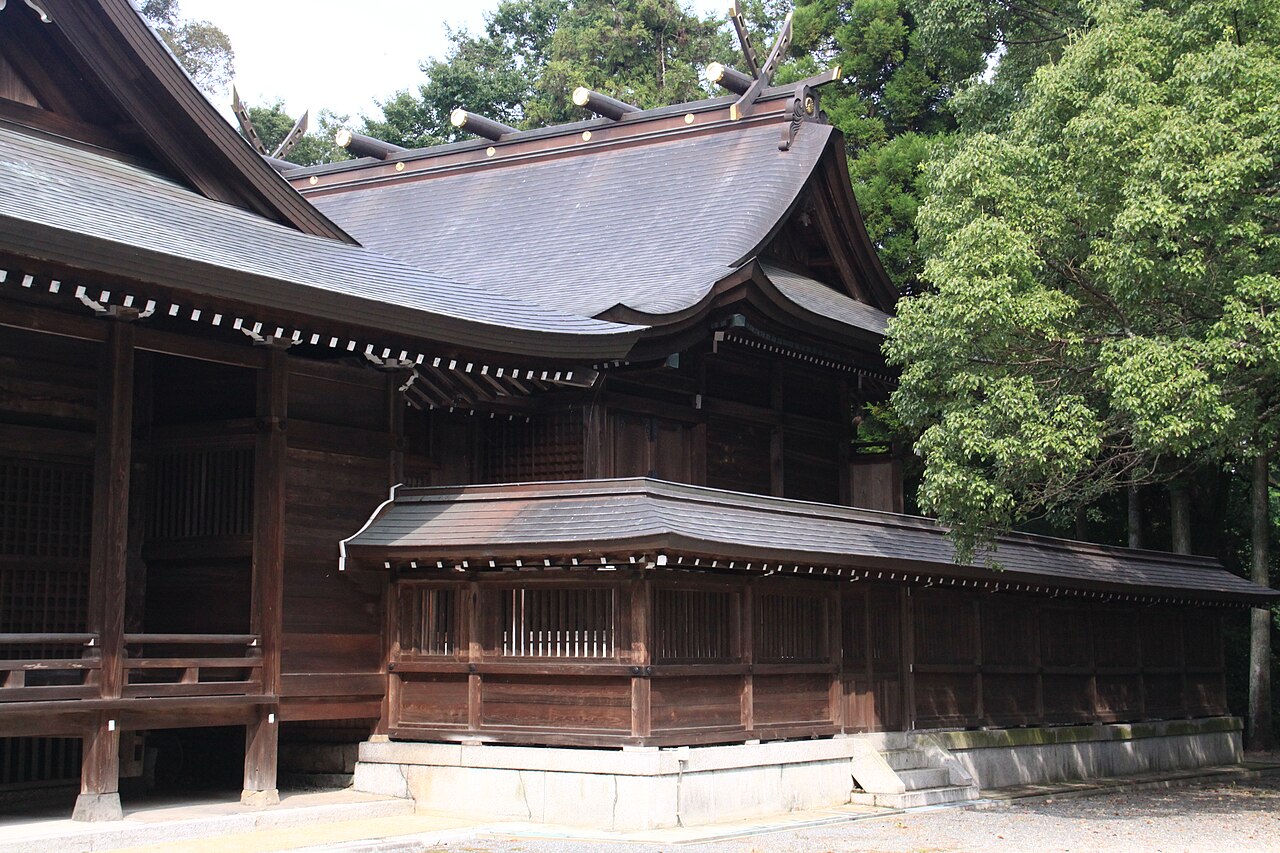


Deity, layout, and features
Like other Hachiman sites, Chiriku Hachiman-gū centers on veneration of Hachiman and related figures. Typical elements found on the precinct include a torii gate marking the sacred boundary, a haiden (worship hall) where offerings and prayers are presented, and a honden (main sanctuary) that houses the enshrined kami. Visitors commonly encounter votive plaques, omikuji (fortune slips), and stone lanterns that form part of the shrinescape.
History and development
The shrine's foundation is rooted in local tradition and centuries of regional practice. While precise founding dates are often uncertain for rural shrines, Chiriku Hachiman-gū has been maintained and rebuilt over generations, reflecting shifts in patronage, architectural taste, and religious practice. Over time it has served both agricultural communities and, at points in history, samurai families who sought Hachiman's protection.
Rituals, festivals, and community role
Annual festivals (matsuri) and seasonal rites mark the shrine calendar and draw residents for communal worship, purification rites, and processions. Common activities include New Year visits (hatsumode), harvest-related ceremonies, and an autumn festival that may feature a mikoshi (portable shrine) parade. These events preserve local customs and sustain social bonds.
- Typical offerings: prayers for safety, success, and prosperity.
- Architectural highlights: torii, haiden, honden, stone lanterns.
- Community functions: festivals, rites of passage, cultural preservation.
As a regional religious site in Miyaki, Chiriku Hachiman-gū is a point of interest for those studying Shinto practice, Japanese religious architecture, and local history. For visitors and researchers, local shrine offices and municipal guides offer the most reliable, up-to-date information on access, event dates, and any designated cultural properties; see local resources or the shrine's administrative contacts for specifics. General background on Shinto shrines and Hachiman devotion can be found through introductory resources on Shinto shrines and regional heritage portals.
Tags
Related articles
Author
AlegsaOnline.com Chiriku Hachiman-gū (Chiriku Hachiman Shrine) Leandro Alegsa
URL: https://en.alegsaonline.com/art/19827
Sources
- eos.kokugakuin.ac.jp : "Hachiman Shinkō,"
- eos.kokugakuin.ac.jp : "Nationwide List of Ichinomiya," p. 3
- k-amc.kokugakuin.ac.jp : List of Kankokuheisha (官国幣社), p. 3