
Chillán: city and commune in south-central Chile, capital of Ñuble Region
Chillán is a city and commune in south-central Chile, founded in 1580 and serving as the capital of the Ñuble Region. It is an agricultural, commercial, and cultural hub with notable history and mountain tourism.
Chillán is a city and commune in the central-southern part of Chile. Historically founded in 1580 as San Bartolomé de Chillán, it serves today as the administrative capital of the Ñuble Region. Population figures have varied by census; an earlier official count recorded about 161,953 residents in the 2002 census, and more recent estimates place the urban area higher as it has grown in the 21st century.
Image gallery
10 Images

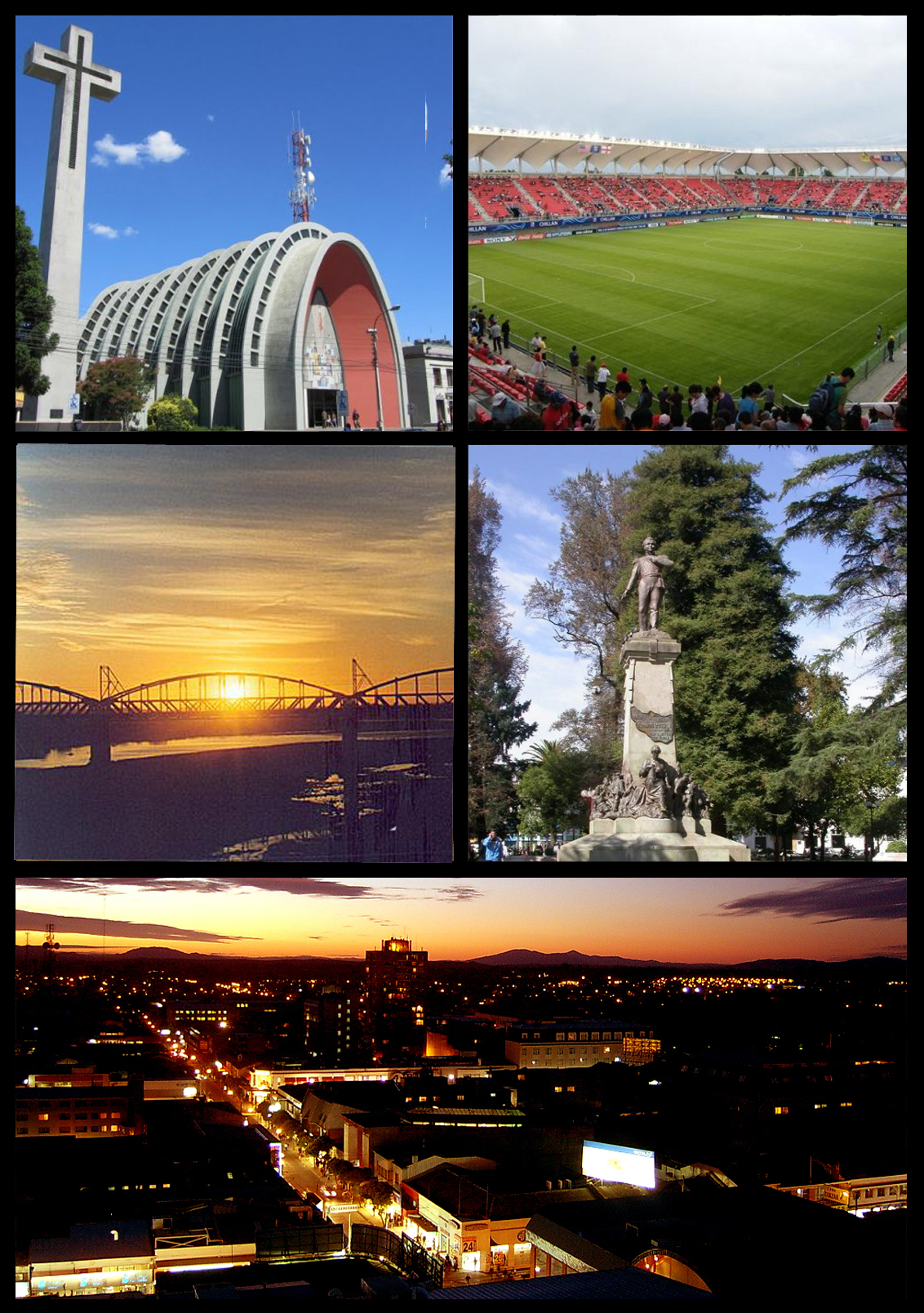


Geography and characteristics
Located in a transitional zone between Chile's central valley and the Andes foothills, Chillán functions as a regional service center for surrounding rural areas. The city is linked by road and rail to other major Chilean cities and stands roughly several hundred kilometres south of the capital. Local climate is temperate with distinct seasons, making agriculture and forestry important parts of the economy.
History and development
Founded in the late 16th century, Chillán developed as a colonial settlement and later as a market town. Its urban fabric and institutions evolved through the republican era into an administrative and commercial hub. The city has been rebuilt and modernized repeatedly after significant earthquakes; the most destructive events remain a notable part of its modern history.
Chillán's economy mixes agriculture, commerce, education and light industry. The city hosts markets and fairs where regional produce, crafts and traditional foods are sold, and it is known for local artisanal products. Educational institutions and health services make it a focal point for the Ñuble Region.
Tourism and notable facts
The nearby Nevados de Chillán mountain area provides thermal springs and ski resorts, attracting visitors for winter sports and wellness tourism. Cultural attractions include busy municipal markets, local festivals and museums that reflect regional folk traditions. Chillán's role as a transport and trade node, together with its historical legacy, gives it importance beyond its immediate population.
For administrative and statistical information consult municipal and national sources; for general background see regional guides and travel resources. Commune profiles and public records remain the best sources for up-to-date demographic and governance details. Chillán continues to be a center of commerce and culture in southern central Chile. Population data and historical summaries are available in public archives and census publications. Census reports and regional plans describe recent changes in urban growth and services.
Related articles
Author
AlegsaOnline.com Chillán: city and commune in south-central Chile, capital of Ñuble Region Leandro Alegsa
URL: https://en.alegsaonline.com/art/19697
Sources
- municipalidadchillan.cl : "Asociación Chilena de Municipalidades"
- ine.cl : "National Statistics Institute"
- aproxima.es : Call prefix for Chillán