
Cheyenne, Wyoming
Cheyenne is the capital and largest city of Wyoming, an historic railroad and military center on the High Plains known for its rodeo, state government institutions, and frontier heritage.
Cheyenne is the capital and largest city of Wyoming, located on the High Plains in the southeastern part of the state. It serves as the county seat of Laramie County and functions as a regional center for government, commerce, and transportation in the interior United States. The city grew from a 19th‑century railhead into a seat of state government and a community with a mixture of civic, military, and cultural institutions.
Image gallery
10 Images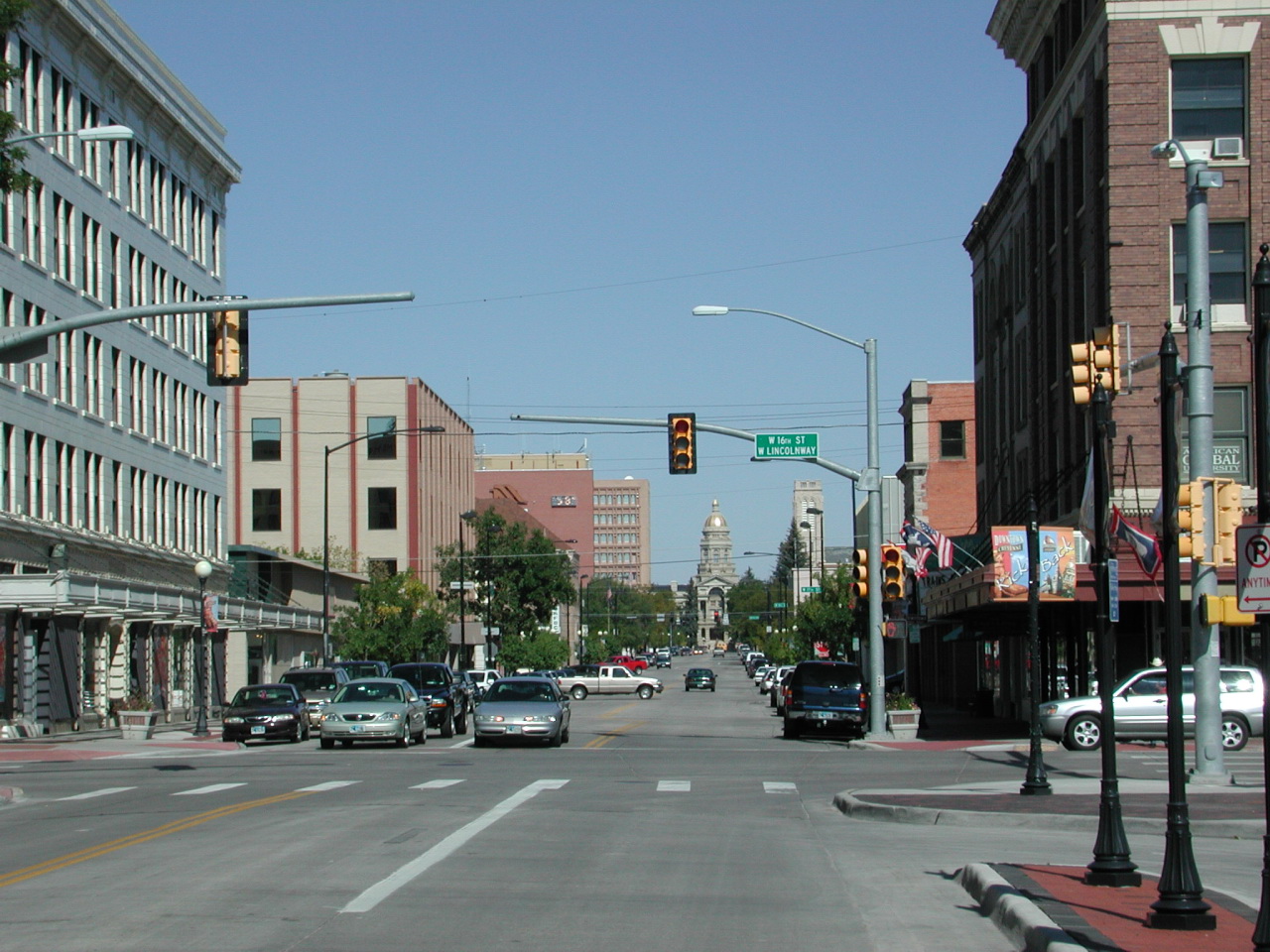


History
Cheyenne was established during the construction of the Union Pacific Railroad in the late 1860s and quickly expanded as a supply and service town for railroad and cattle operations. Its rapid growth earned it nicknames referring to its sudden rise as a prairie boomtown. When Wyoming transitioned from territory to statehood in the late 19th century, Cheyenne became the state capital and consolidated institutions such as the state legislature and administrative offices.
Geography and climate
Set on broad, open plains with views of distant foothills, Cheyenne lies along historic east–west and north–south transportation corridors. The city's climate is typical of the high plains: semi‑arid, with relatively low humidity, notable winds, cool to cold winters, and warm summers. These conditions shape local agriculture, outdoor recreation, and building styles.
Government, economy, and infrastructure
As the state capital, Cheyenne hosts many state government agencies and the capitol complex. Federal and military presences, including a long‑standing Air Force base nearby, contribute to local employment and economy. Transportation links include interstate highways, active freight rail service, and a regional airport that connect Cheyenne to wider markets and visitors.
Culture, events, and landmarks
Cheyenne is widely known for its annual rodeo and festival, a multi‑day celebration that draws contestants and spectators from across the country and highlights western heritage. The city also preserves railroad and frontier buildings, museums, and a historic downtown that attract tourists and support cultural programming. Notable sites include the state capitol building and restored railroad depot facilities.
- Cheyenne Frontier Days and other western events
- Historic railroad depot and museums
- State government institutions and public monuments
- Outdoor recreation on nearby plains and foothills
Although modest in size compared with major metropolitan areas, Cheyenne plays an outsized role in Wyoming's civic life and in the cultural image of the American West. For general reference about the city, see sources on state history and regional development patterns.
Related articles
Author
AlegsaOnline.com Cheyenne, Wyoming Leandro Alegsa
URL: https://en.alegsaonline.com/art/19450
Sources
- wy-cheyenne.civicplus.com : Mayor's Office