
Chaussée de Waterloo
Major southbound avenue linking Brussels with Waterloo and continuing toward Genappe and Charleroi. An important urban and regional thoroughfare with shops, housing and public transport links.
Overview
The Chaussée de Waterloo is a principal avenue that runs southward from the Brussels region toward the Walloon provinces. Within the Brussels urban area it serves as a major arterial street, carrying local traffic, shops and residences while forming one of the historic approaches to the towns and countryside to the south of Brussels.
Image gallery
8 Images




Route and characteristics
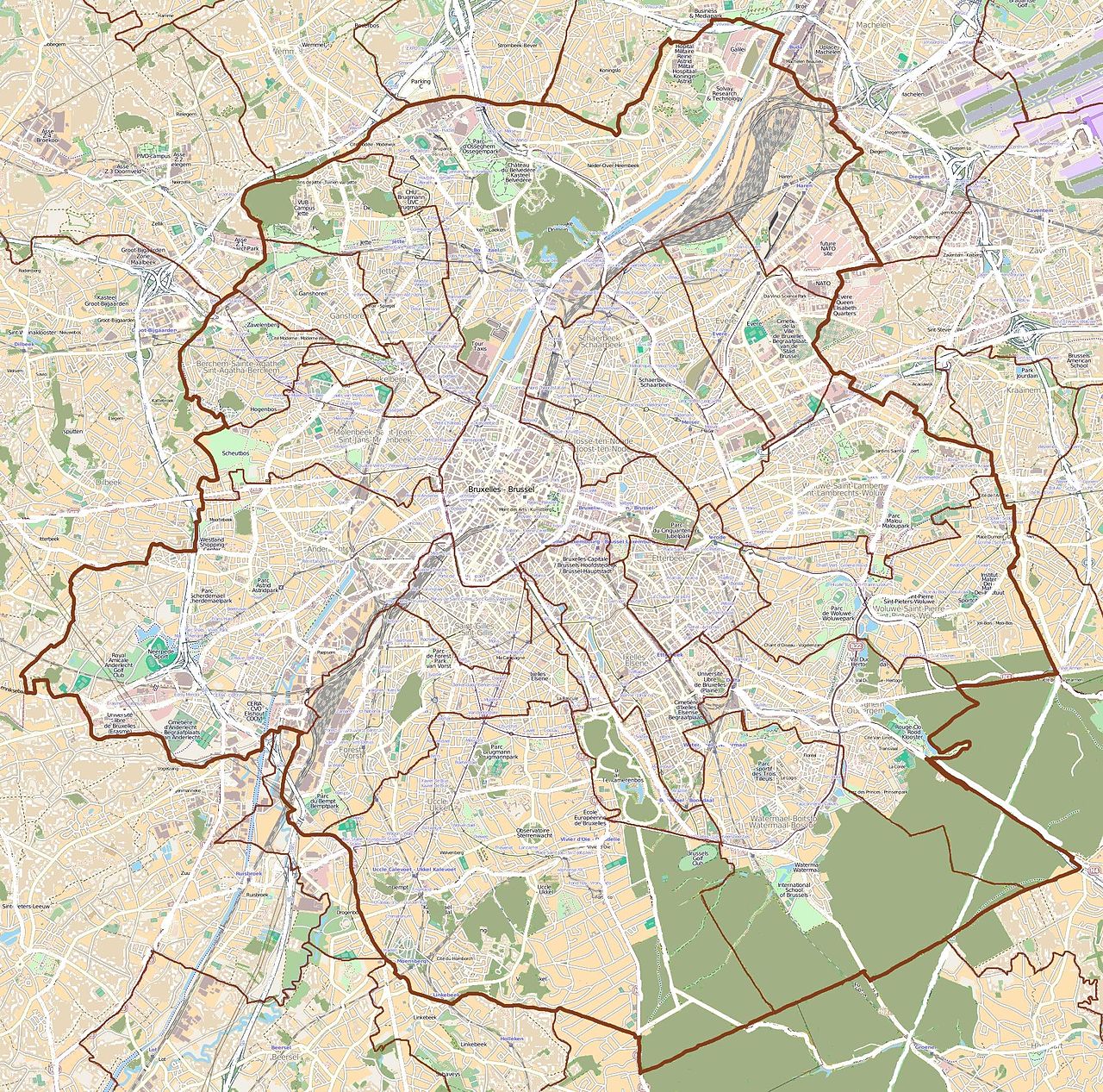
The avenue begins inside Brussels and passes through inner and outer neighborhoods; historically it is described as starting in the municipality of Saint-Gilles and continuing out of the capital toward the town of Waterloo. South of Waterloo the same physical road often bears the complementary name "Chaussée de Bruxelles" and continues onward to towns such as Genappe and, further afield, Charleroi.
Features and built environment
- Mixed urban profile: commercial ground floors with residential buildings above in the city sections.
- Transition to suburban and semi-rural character beyond the Brussels periphery.
- Serves local businesses, services and institutions that rely on passing commuter traffic.
History and development
As with many major radial roads leaving European capitals, the Chaussée de Waterloo developed over centuries as a route for trade, postal coaches and later motor traffic. Its alignment reflects the historic connection between Brussels and settlements to the south; over time the corridor has urbanized and been adapted to modern traffic needs while retaining older building fronts in some stretches.
Uses and transport
The avenue functions as both a local high street and a regional connector. It is served by municipal and regional public transport, and attracts commuter flows between Brussels and suburban towns. Pedestrian activity, retail trade and periodic road-management projects are typical along the route.
Notable facts
Because it links the capital with the Waterloo area, the road is often noted by residents and visitors as a convenient axis for reaching southern suburbs and historic sites in the vicinity of Waterloo. Its changing name beyond the town underscores the common practice of roads bearing different local names as they cross municipal boundaries.
Tags
Related articles
Author
AlegsaOnline.com Chaussée de Waterloo Leandro Alegsa
URL: https://en.alegsaonline.com/art/19042