
Château-Thierry: town on the Marne with medieval, cultural and wartime heritage
Château-Thierry is a historic commune in the Aisne department of northern France, on the Marne River. Known for its medieval keep, literary heritage (Jean de La Fontaine) and World War I sites, it attracts visitors and historians.
Overview
Château-Thierry is a commune in the historic province of Picardy and today lies within the administrative region often associated with Hauts-de-France. It sits on the banks of the Marne River in the Aisne department of northern France. Its riverside position in the Marne valley has shaped the town’s economy, transport links and landscape for many centuries.
Image gallery
10 Images


Characteristics and setting
The town occupies a mix of riverside terraces and higher slopes where a medieval fortress once dominated the approaches to the Marne. Narrow streets cluster around historic civic buildings and churches, while green corridors follow the river. The presence of vineyards on the surrounding hills links Château-Thierry to the wider wine-producing areas of the Marne valley.
History and historical significance
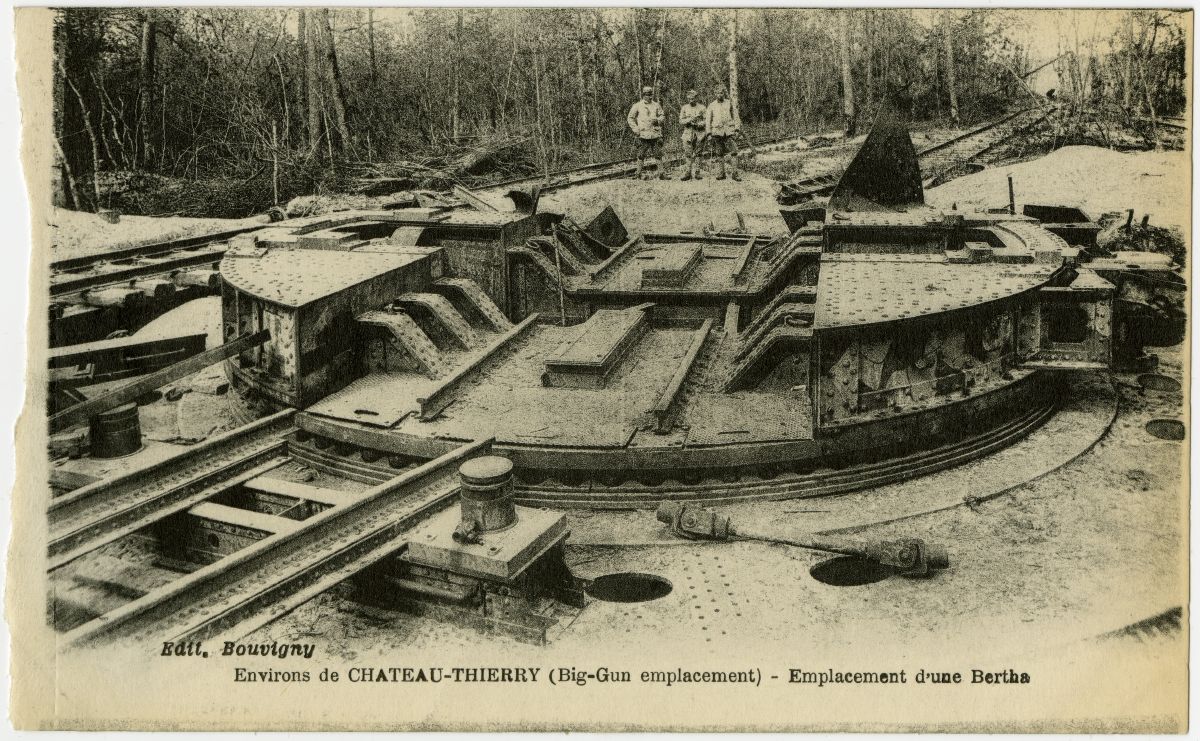
Château-Thierry developed around a defensive stronghold and a keep that overlooked the river. Over the centuries the site saw typical feudal and regional conflicts, and in modern history it became notable during the fighting of the First World War: operations on the Marne placed the town and its environs at the centre of allied counter-offensives and battlefield activity. Monuments, cemeteries and preserved sites recall that period and attract study by historians and visitors alike.
Culture, people and notable figures
The town is perhaps best known culturally as the birthplace of the 17th-century fabulist Jean de La Fontaine. His life and works are commemorated locally in museums and events that explore his place in French literature. Local museums and cultural programmes also interpret the town’s longer history, from medieval architecture to modern commemorations.
Points of interest
- Medieval remains including the fortified keep and towers.
- Museums and sites devoted to Jean de La Fontaine and local history.
- World War I memorials, battlefields and cemeteries that document the 1914–1918 conflict.
- Riverside promenades, viewpoints over the Marne and nearby vineyard landscapes.
Contemporary life and visiting
Today Château-Thierry functions as a regional service centre with cultural tourism, local commerce and access to wider transport networks. Visitors are drawn by its layered history, walking routes along the river, and interpretive sites explaining both medieval and twentieth-century episodes. Practical information and local events are published by municipal and tourist bodies for those planning a visit.
Related articles
Author
AlegsaOnline.com Château-Thierry: town on the Marne with medieval, cultural and wartime heritage Leandro Alegsa
URL: https://en.alegsaonline.com/art/18950