
Chatham Islands
Remote New Zealand archipelago about 800 km east of the South Island, known for unique wildlife, Moriori heritage, conservation successes, and an economy focused on fishing, farming and tourism.
Overview
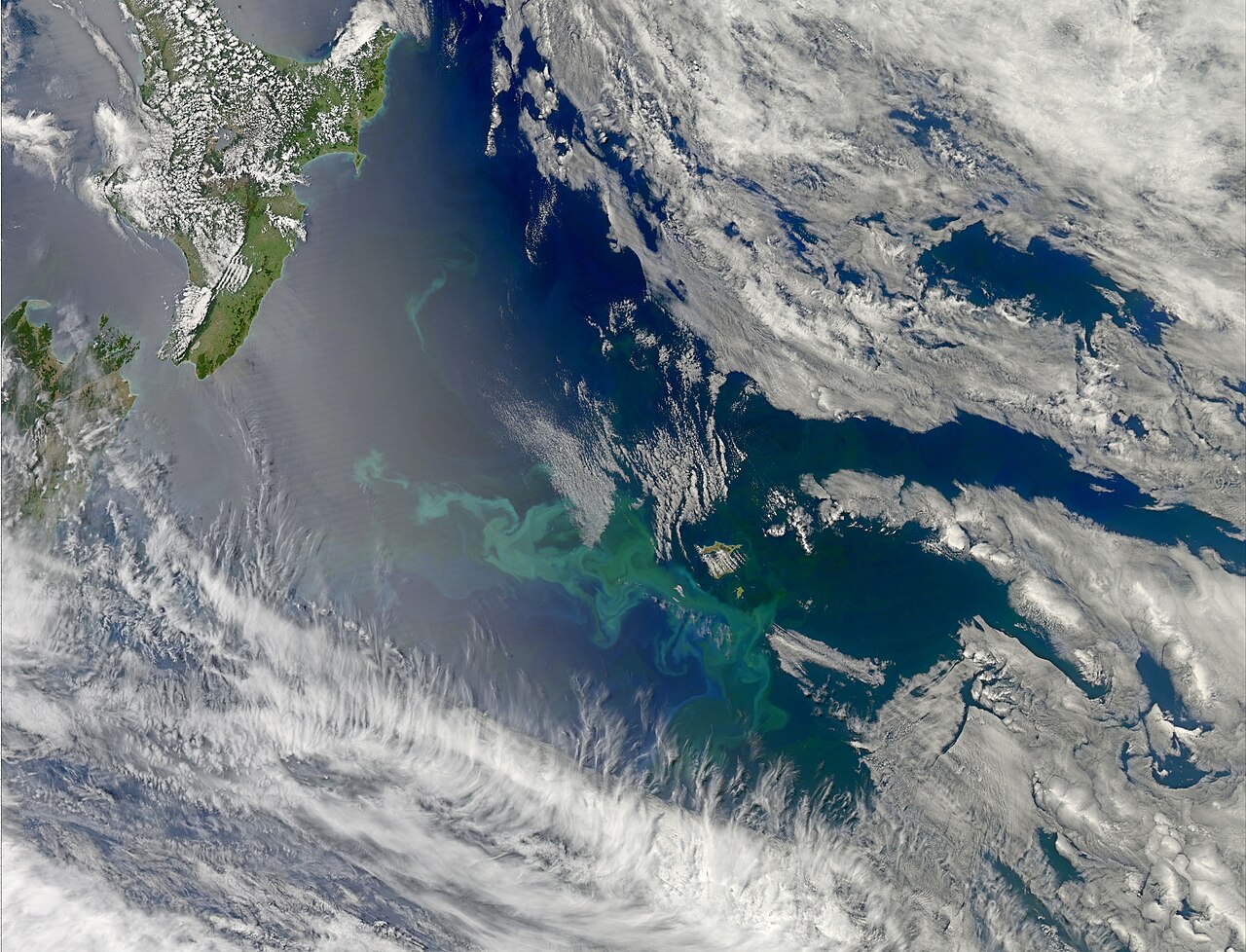
The Chatham Islands are a small group of islands administered as part of New Zealand. Lying in the Pacific Ocean roughly 800 kilometres east of the South Island, the archipelago forms an archipelago of about ten principal islands and numerous smaller islets. The largest islands are Chatham Island and Pitt Island, and the settled area is remote both geographically and culturally.
Image gallery
10 Images




Geography and natural features
The islands sit within a radius of some 60 kilometres and have a cool, ocean-influenced climate. Much of the land is a mix of coastal plains, peat bogs and low hills. Several areas have been set aside as nature reserves to protect endemic plants and birds. These reserves support distinctive flora and fauna, including species found nowhere else on Earth.
People, history and culture
The islands are the traditional home of the Moriori people; Māori groups also settled there in the 19th century. European contact increased in the 1800s and the islands were formally incorporated into the Colony of New Zealand in 1842. Today the community is small — around 600 permanent residents was reported in the early 2010s — and local life reflects a blend of Moriori, Māori and settler heritage.
Economy and conservation
Economic activity is modest and largely based on primary industries. Fishing and aquaculture are important, alongside sheep farming and small-scale agriculture. Tourism contributes through guided nature tours and cultural visits. Conservation work is a major local focus: efforts to protect seabird colonies and to recover endangered species have attracted international interest. The local economy therefore mixes traditional livelihoods with conservation and visitor services (conservation, tourism, farming, fishing).
Access and notable facts
- Access is by air or infrequent sea services; the islands have their own airport and small harbour facilities.
- The Chatham Islands observe a distinctive local time standard and are among the few places with a 45-minute offset from standard time.
- Conservation successes on the islands, such as recovery programs for endangered birds, are often cited as models for small-island restoration work.
The Chatham Islands remain important for studies of island ecology, indigenous culture and remote community life. For travelers and researchers alike, they offer a concentrated example of how isolation shapes nature and human history.
Questions and answers
Q: Where are the Chatham Islands located?
A: The Chatham Islands are located in the Pacific Ocean, about 800 kilometres (500 miles) east of the South Island of New Zealand.
Q: How many islands make up the archipelago?
A: The archipelago is a cluster of about ten islands in a 60-kilometre (37 mile) radius.
Q: What is the largest island in the archipelago?
A: The largest island in the archipelago is Chatham Island. Pitt Island is also quite large.
Q: What measures have been taken to protect local flora and fauna?
A: Some of these islands are now nature reserves to protect the unique flora and fauna.
Q: How many people live on the Chatham Islands as of 2013?
A: As of 2013, there were 600 residents living on the Chatham Islands.
Q: What activities make up most of the local economy?
A: The local economy depends largely on conservation, tourism, farming, and fishing.
Q: When did they become part of New Zealand's colony?
A:The Chatham Islands became part of New Zealand's colony in 1842.
Related articles
Author
AlegsaOnline.com Chatham Islands Leandro Alegsa
URL: https://en.alegsaonline.com/art/18986
Sources
- archive.stats.govt.nz : "2013 Census QuickStats about a place: Chatham Islands Territory"
- teara.govt.nz : "Moriori - The impact of new arrivals"
- doi.org : 10.1080/00288306.1979.10424176
- doi.org : 10.1016/j.epsl.2006.06.001
- worldcat.org : 0012-821X