
Charing — village and civil parish in Kent, England
Charing is a village and civil parish on the North Downs in Kent, England, noted for its historic centre, rural setting and community amenities. The 2001 census recorded a population of 2,694.
Overview
Charing is a village in the county of Kent, in south-east England, and is administered as a civil parish. The settlement combines a compact historic centre with surrounding farmland and downland. At the 2001 census the parish population was recorded as 2,694. The village retains a rural character while providing a range of local services and community facilities.
Image gallery
2 Images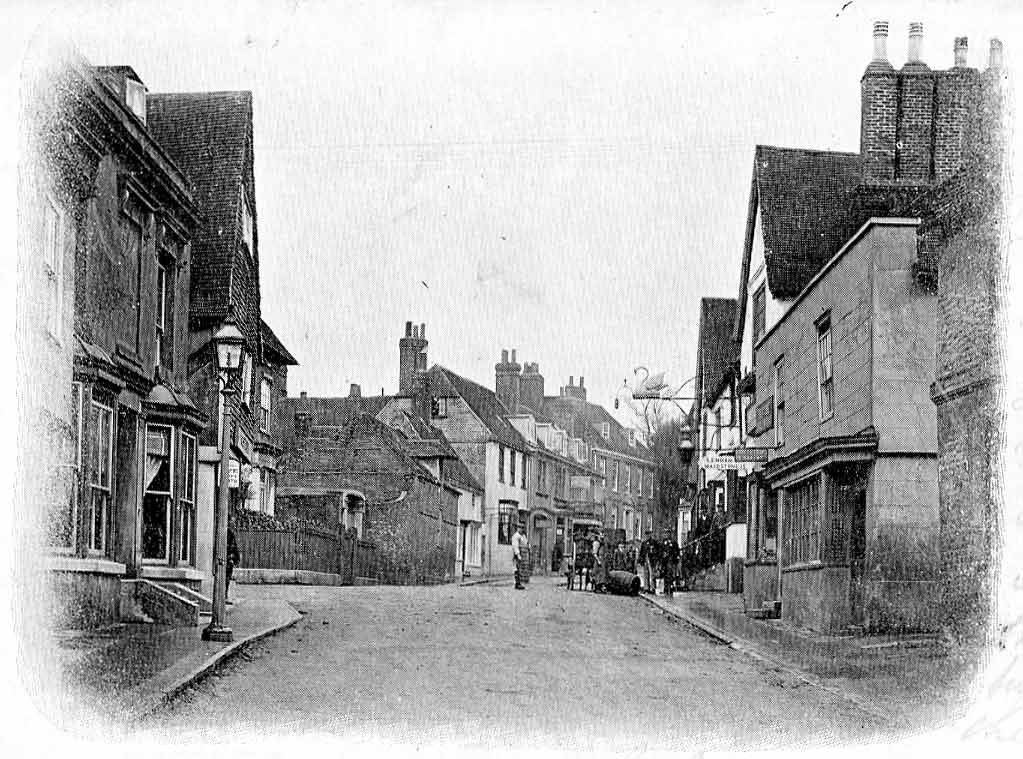

Setting and landscape
Charing lies close to the chalk ridge of the North Downs and is surrounded by rolling countryside typical of the region. Footpaths and bridleways link the parish to neighbouring villages and to longer-distance trails that cross the downs. The landscape includes arable fields, hedgerows and small woodlands, which contribute to the area's agricultural character and scenic value.
History and built environment
The village has medieval origins and its centre contains historic buildings that reflect centuries of local life. A parish church of ancient foundation and a number of older houses and public buildings indicate continuity of settlement. Over time, Charing grew around agriculture, local trade and services that catered for residents and travellers on nearby routes.
Community and amenities
Charing supports amenities commonly found in English villages, including a parish church, shops, public houses, a primary school and a village hall or community centre. Local organisations and voluntary groups provide social, recreational and sporting activities, while small businesses and farms contribute to the local economy. Many residents also travel to larger towns for employment and specialist services.
Governance and transport
The civil parish has an elected parish council responsible for local matters, and the area falls within wider district and county administrative arrangements. Transport links and accessibility are provided by local roads and public transport options that connect the village to surrounding towns and services, supporting both daily life and visitor access.
Cultural life and visitors
Charing attracts visitors for its rural setting, historic streets and access to countryside walks. Annual local events, community festivals and activities reflect village life and local traditions. The combination of natural landscape and heritage makes the parish typical of Kentish rural communities while retaining its distinct local identity.
Related articles
Author
AlegsaOnline.com Charing — village and civil parish in Kent, England Leandro Alegsa
URL: https://en.alegsaonline.com/art/18661
Sources
- ons.gov.uk : "Local statistics - Office for National Statistics"