
Chania — historic city on western Crete
Chania is a port city on the west coast of Crete, Greece. Known for its Venetian harbor, layered history, and regional role, it serves as a cultural and transport hub connecting Crete with the Greek mainland.
Overview
Chania is a city on the island of Crete in Greece, long recognized for its distinctive harbor, historic neighborhoods and regional administrative role. The city has a residential population reported as about 55,838 and functions as the capital of the surrounding Chania regional unit (historically known as a prefecture).
Image gallery
10 Images


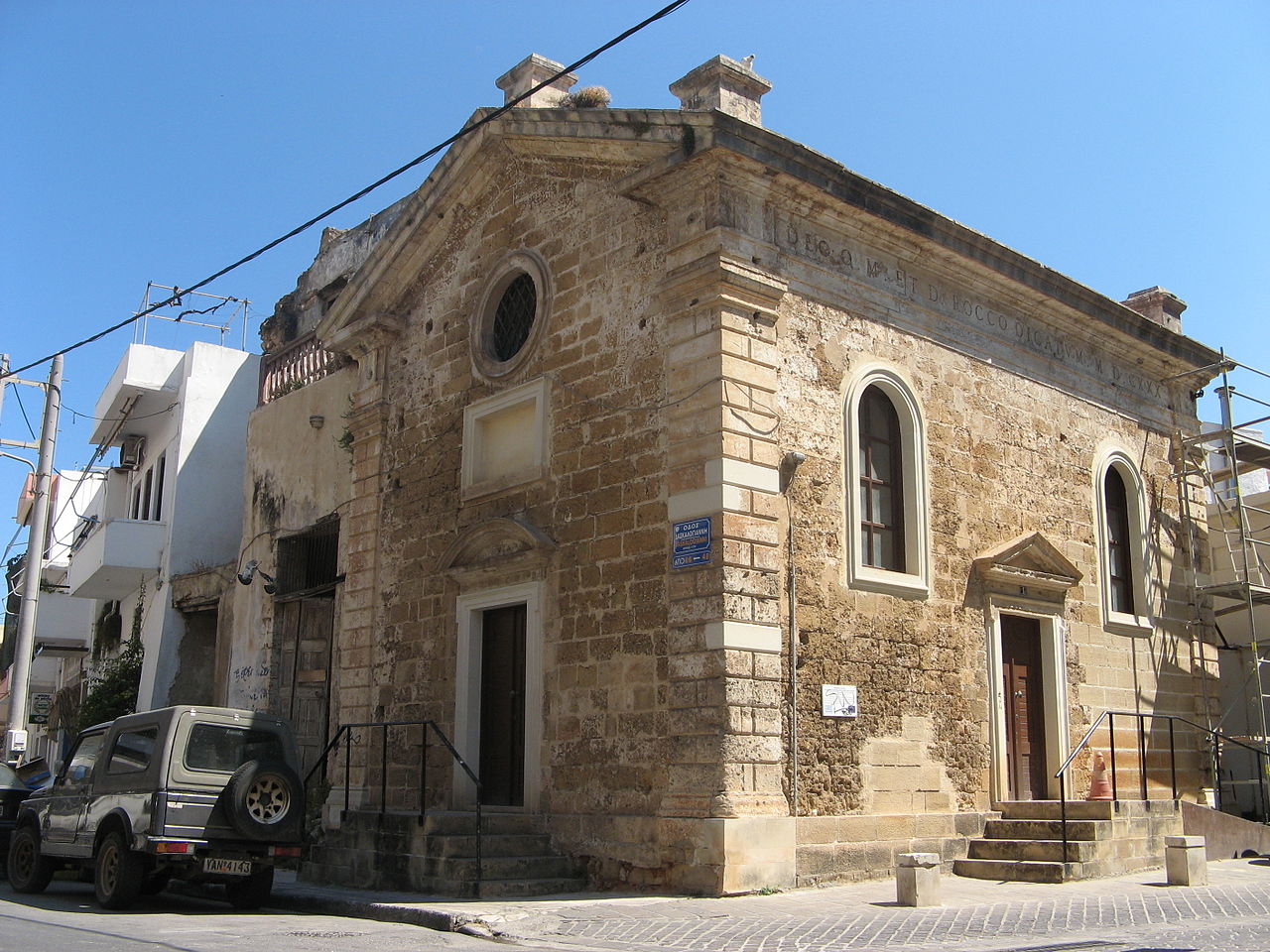


Geography and urban character
Located on Crete's northwestern shore, Chania combines a compact old town with more modern suburbs. The waterfront is dominated by a semicircular Venetian harbour, a lighthouse and narrow lanes framed by Ottoman and Venetian architecture. Inland areas include residential districts, markets and green hills that rise toward the island's interior.
History
Chania's history spans ancient, Byzantine, Venetian and Ottoman periods, each leaving visible traces in the urban fabric. The city grew around successive ports and fortifications, and its mix of architectural styles reflects centuries of cultural exchange and strategic importance in the eastern Mediterranean.
Economy, transport and importance
The local economy blends tourism, services, small industry and agriculture. An important seaport provides ferry links to the Greek mainland and other islands; regular connections include routes to the port of Piraeus. Chania also has an airport serving domestic and international flights, which supports tourism and commerce.
Sights and practical information
- Venetian Harbour and lighthouse — focal points for visitors and local life.
- Old town streets — museums, churches and Ottoman buildings.
- Nearby beaches and natural areas — day trips to beaches and the Samaria Gorge region.
Chania remains a blend of living city and historic site: a regional center where everyday life, cultural heritage and transport connections meet.
Related articles
Author
AlegsaOnline.com Chania — historic city on western Crete Leandro Alegsa
URL: https://en.alegsaonline.com/art/18561