
Article One of the United States Constitution
Article I establishes the legislative branch, creates the bicameral Congress (House and Senate), allocates federal legislative powers, and sets limits, procedures, and historic foundations for lawmaking.
Overview
Article One of the United States Constitution sets out the organization, authority, and limits of the national legislature. It vests the lawmaking function in a single body called the Congress, which is bicameral in form. The Article defines the two chambers, allocates many specific powers, and places restrictions on both Congress and the several states. For a concise description of the legislative branch, see legislative branch, and for the federal context see federal government.
Image gallery
10 Images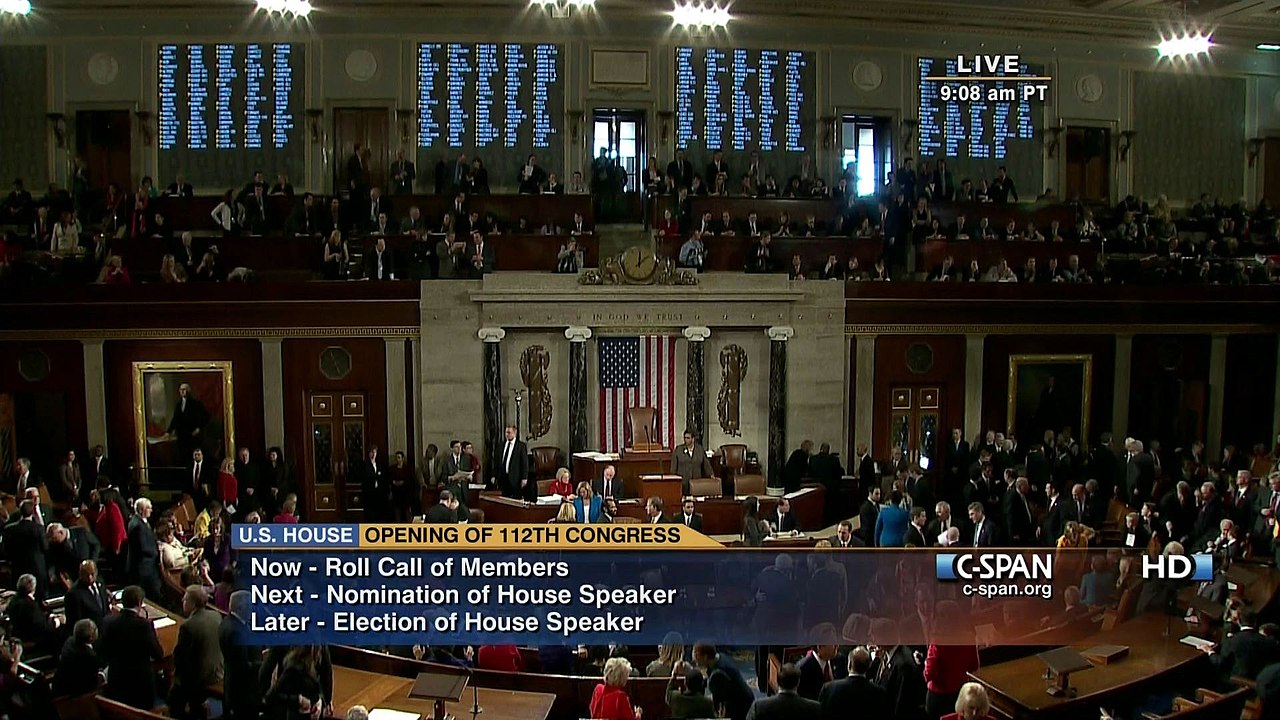



Structure and composition
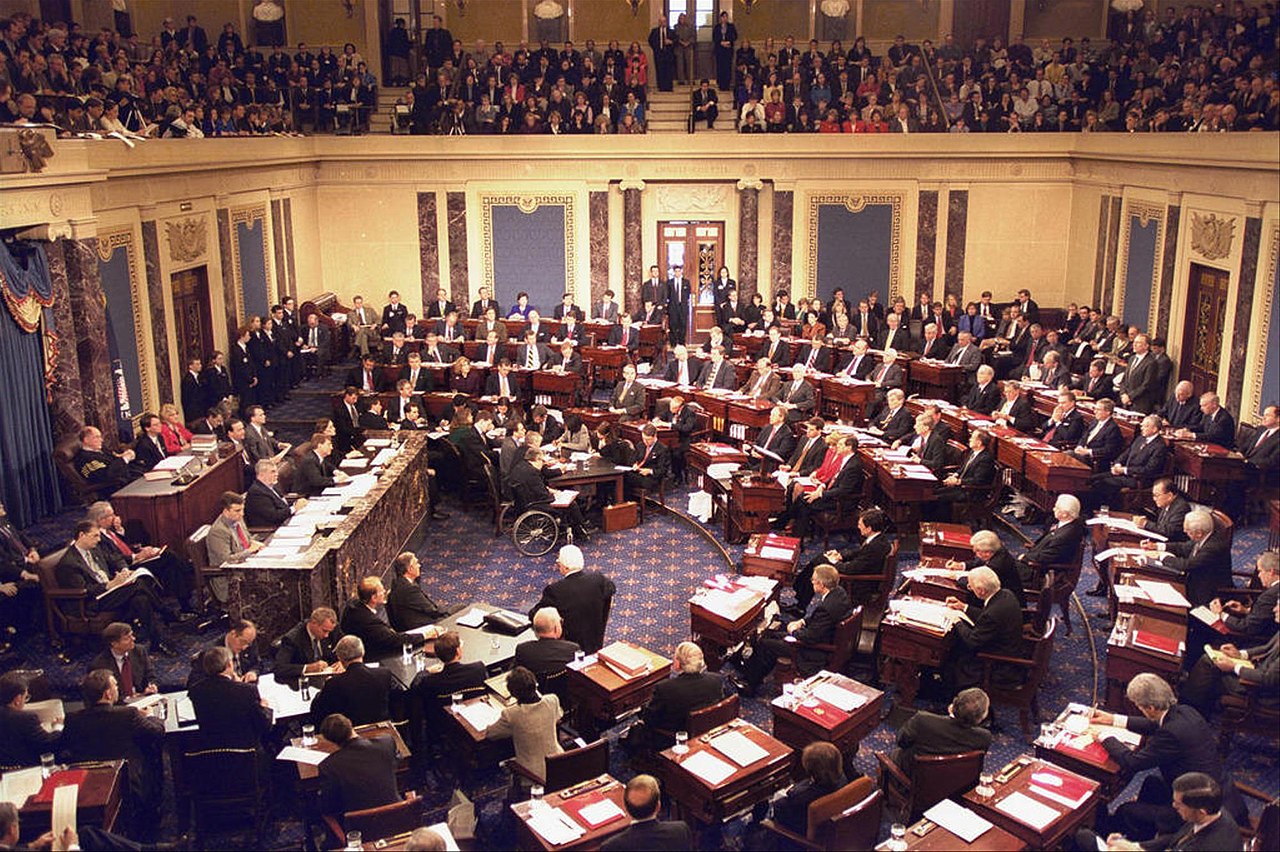
Article One creates the United States Congress, composed of two separate houses: the House of Representatives and the Senate. Section 1 states plainly that "All legislative Powers herein granted shall be vested in a Congress of the United States," establishing Congress as the sole federal lawmaking institution. Subsequent sections of Article I set membership criteria, methods of election, leadership roles, procedural rules, and terms of office for each chamber.
Powers, limits, and the separation of powers
Article One enumerates and constrains the legislative power (legislative) by listing specific authorities—such as taxation, regulation of commerce, war powers, coinage, and the ability to raise and support armed forces—while also setting explicit prohibitions on Congress and the states. Articles II and III allocate the other branches of government, assigning executive authority to the President (Article II, executive) and judicial authority to the federal courts (Article III, judicial), creating a system of checks and balances often described as the separation of powers.
Sections and main themes
Article I is commonly discussed by its sections, which together cover the following themes:
- Section 1: Vesting of legislative power in Congress.
- Sections 2–3: Composition, election, and powers of the House and Senate respectively.
- Section 4–7: Rules for elections, legislative proceedings, and the lawmaking process.
- Section 8: Enumerated powers of Congress (taxation, commerce, war, etc.).
- Section 9: Limits on congressional authority.
- Section 10: Restrictions on state governments.
Historical background and judicial interpretation
The drafters drew on English and colonial precedents when framing Article One. Colonial assemblies and the British Parliament exercised oversight and investigative functions before the Constitution was adopted. Although the text does not explicitly mention an investigative power, Congress long asserted implied powers to conduct inquiries and oversight as part of its constitutional role. The Supreme Court recognized this implied authority in the early twentieth century; in McGrain v. Daugherty (1927) the Court held that Congress has the power to compel testimony and documents in aid of its legislative duties. For more on colonial antecedents, see American colonies, and for the Court's role in adjudication, see Supreme Court.
Importance and contemporary relevance
Article One remains central to American governance. It determines how laws are made, allocates fiscal and regulatory authority, and shapes interactions among branches and between the national government and the states. Congressional powers and limits under Article I influence major public policy areas—taxation, commerce, national defense, and civil rights—and continue to be the focus of debate and judicial review. Readers seeking institutional context can consult resources on the United States Congress and the constitutional allocation of powers within the federal government.
Notable distinctions and facts
- Article One establishes the sole federal lawmaking authority, even as execution and interpretation are distributed to other branches.
- It balances specific, enumerated grants of power with structural checks such as bicameralism and the presidential veto.
- Implied powers, including oversight and investigation, have been confirmed by historical practice and court decisions despite not being named in the text.
Questions and answers
Q: What is Article One of the US Constitution?
A: Article One of the United States Constitution establishes the legislative branch of the federal government, the United States Congress.
Q: What does Section 1 of Article One say?
A: Section 1 of Article One states that all legislative powers granted by the Constitution shall be vested in a Congress of the United States, which consists of a Senate and House of Representatives.
Q: How are power divided among branches according to Articles II and III?
A: According to Articles II and III, executive power is given to the President and judicial power is granted to the federal judiciary respectively. This creates a separation of powers among three branches - Congress making laws, President enforcing laws, and courts interpreting laws.
Q: Is there any provision in the Constitution that gives Congress investigative powers?
A: No, there is no explicit provision in the Constitution that gives Congress investigative powers. However, assemblies before adoption of US constitution had this power as well as British Parliament before them. Therefore it has been considered an implicit power for Congress since then.
Q: Was it confirmed that Congress has investigative powers?
A: Yes, in McGrain v. Daugherty (1927), Supreme Court held that Congress did have such power to investigate matters.
Q: Who was involved in McGrain v Daugherty case?
A: The case was between McGrain and Daugherty where Supreme Court ruled on whether or not Congressional investigation was within its rights according to US constitution.
Tags
Related articles
Author
AlegsaOnline.com Article One of the United States Constitution Leandro Alegsa
URL: https://en.alegsaonline.com/art/6334
Sources
- kids.laws.com : "Article 1"
- law2.umkc.edu : "Separation of Powers"
- heritage.org : "What Separation of Powers Means for Constitutional Government"
- law.cornell.edu : "CRS Annotated Constitution"
- oyez.org : "McGrain v. Daugherty"
- annenbergclassroom.org : "Article I Section 2"
- heritage.org : "Elector Qualifications"
- shmoop.com : "Article 1 Section 2"
- law.utexas.edu : "Apportionment of Direct Taxes: The Foul-Up in the Core of The Constitution"
- history.house.gov : "Proportional Representation"
- phschool.com : "The United States Constitution"
- archives.gov : "The Constitution of the United States Amendments 11–27"
- study.com : "What is the 17th Amendment? - Definition, Summary & History"