
Chamba district, Himachal Pradesh — overview, history, and attractions
Mountainous district in northwestern Himachal Pradesh, India, centered on Chamba town; known for hill stations Dalhousie and Khajjiar, Pahari art and embroidery, alpine landscapes, and historic culture.
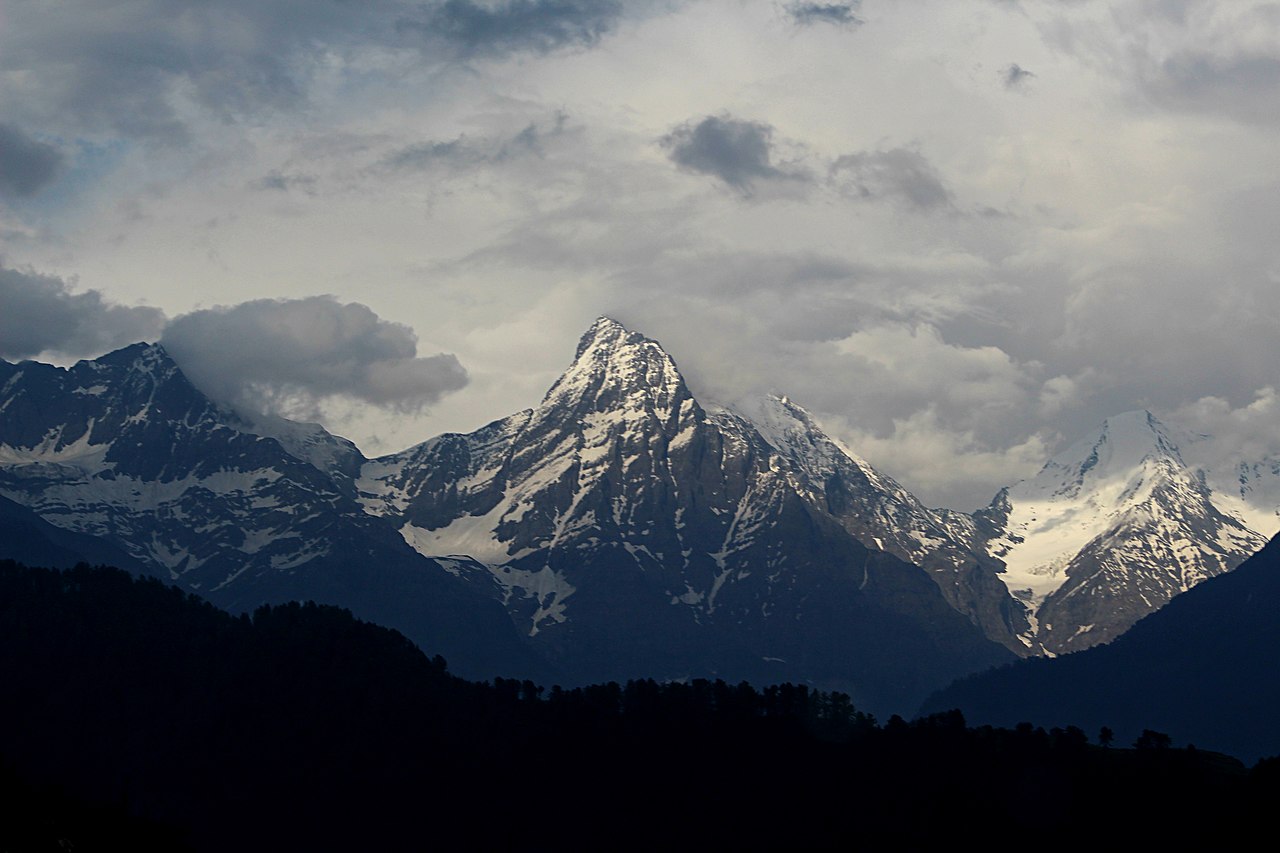
Chamba district occupies a mountainous portion of northwestern Himachal Pradesh in northern India, with its administrative centre at Chamba town. The district combines high valleys, river valleys and forested slopes, and has long been shaped by seasonal pastoralism, temple-centered towns and routes connecting the plains to higher Himalayan pastures. Its landscape and climate make it an important destination for visitors from the surrounding plains.
Image gallery
8 Images


Geography and settlements
Chamba is chiefly a hill district of mixed topography: river basins cut through steep ridges, and there are open meadows and coniferous woodlands at moderate altitudes. Major population centres include Chamba town and popular hill stations such as Dalhousie and Khajjiar; there are also smaller market towns, temple settlements and scattered mountain villages that depend on agriculture, livestock and local trade.
History and development
The area around Chamba has an extended recorded past as a regional principality and cultural centre, with local dynasties, temples and administrative traditions that predate modern state organization. During the nineteenth and twentieth centuries, colonial-era infrastructure and tourism development added new hill resorts, while later integration into the Indian state brought administrative reorganization and expanded transport links from the plains.
Culture, arts and traditions
Chamba has a distinctive cultural identity within the western Himalaya. Traditional Pahari miniature painting styles and the embroidered Chamba rumal (a fine needlework handkerchief) are notable arts associated with the region. Local music, folk dance and annual fairs around temples also remain important for communal life and seasonal rites.
Tourism and economy
Tourism is a major component of the district economy. Dalhousie is known for its colonial-era architecture and cool promenades, while Khajjiar is famed for a high-altitude meadow often described in guidebooks for its scenic resemblance to an alpine lawn. Visitors come for trekking, nature, pilgrimage to historic temples and short hill breaks. Agriculture, horticulture on terraced slopes, pastoral grazing and small-scale commerce complement tourism in sustaining local livelihoods.
Notable features and distinctions
- Chamba town: religious and cultural centre with historic temples and bazaars.
- Dalhousie and Khajjiar: well-known hill-station destinations popular with visitors from the plains.
- Pahari arts: distinctive painting styles and embroidery traditions associated with the district.
- Seasonal economies: pastoral movements and mountain agriculture shape local life.
As a Himalayan district with a blend of natural scenery and cultural heritage, Chamba continues to attract interest for both its living traditions and its outdoor landscapes. For travellers and students of regional culture alike, the district illustrates how historic hill centres have adapted to modern tourism and changing rural economies.
Related articles
Author
AlegsaOnline.com Chamba district, Himachal Pradesh — overview, history, and attractions Leandro Alegsa
URL: https://en.alegsaonline.com/art/18406