
Couch: design, history, types, and everyday uses
A couch (sofa or settee) is a multi-seat upholstered furniture piece used for seating, lounging and social spaces; this article covers design, history, variants, uses and care.
Overview
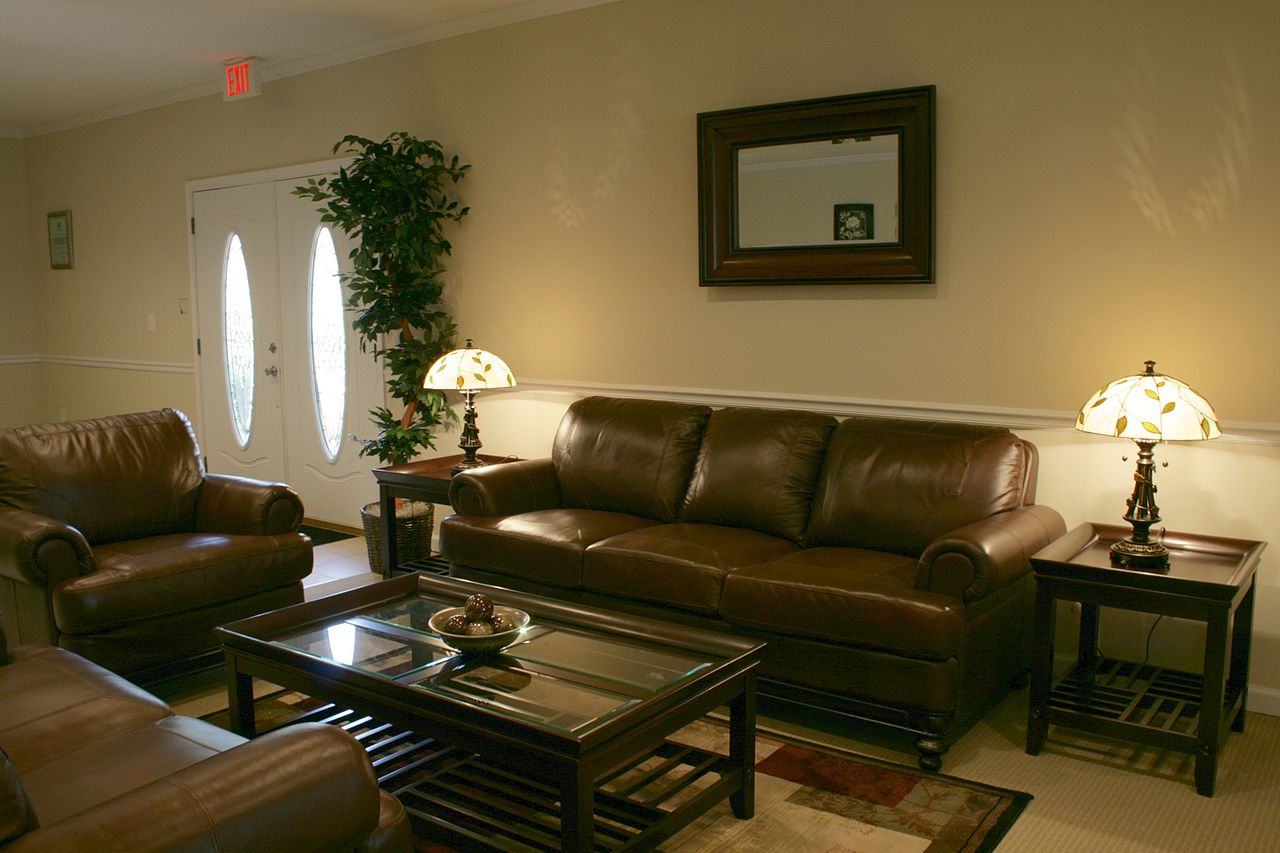
A couch—also commonly called a sofa or settee—is an upholstered piece of seating furniture designed to accommodate two or more people. It typically features a cushioned seat and back, and often includes armrests on one or both sides. Couches serve a practical and social role in domestic interiors, public waiting areas and hospitality spaces, and are a central element of many living rooms and lounge zones. For information on related household items see furniture.
Image gallery
10 Images


Characteristics and components
Typical construction components include a frame (commonly timber or metal), suspension (springs or webbing), padding (foam, down, or batting) and an outer covering such as fabric or leather. Design elements that distinguish one couch from another include the number of seats (two-seat, three-seat, sectional), arm style (rolled, track, armless), back height, leg type, and whether cushions are attached or loose. Many modern couches also incorporate functional features such as convertible mechanisms for use as a bed, removable covers for cleaning, or built-in storage.
Types and common styles
- Standard sofa: fixed frame and cushions for general seating.
- Sectional: modular units that combine to form large seating arrangements.
- Sleeper or sofa bed: includes a pull-out mattress for sleeping.
- Loveseat: compact two-person couch suited to small spaces.
- Chesterfield, mid-century modern, and contemporary styles: distinguished by upholstery, silhouette and detailing.
History and development
The idea of a long seat for reclining and social use has ancient roots in Mediterranean and Near Eastern cultures, where benches and reclining couches were used in domestic and ceremonial settings. By the 17th and 18th centuries in Europe, the term "couch" often referred to a long seat intended for resting, sometimes with a raised end to support the head. Decorative examples with scrolled ends and short legs were common in several regions, while the 19th century Victorian preference for heavier, overstuffed upholstery contributed to the emergence of the modern sofa silhouette. Echoes of earlier ornamentation appear alongside later industrial innovations in framing, springing and mass-produced upholstery.
Uses and cultural importance
Couches are versatile: they facilitate social interaction, provide comfortable seating for media and reading, and can serve as informal sleeping surfaces. In many households the couch functions as the focal point for family gatherings and entertainment, often oriented toward a television or hearth. In public and commercial settings, couches shape waiting rooms, hotel lobbies and collaborative workspaces. The choice of size, durability and finish is often driven by intended use—heavy-use public furniture requires different construction criteria than a formal parlor sofa.
Care, selection and distinctions
When choosing a couch consider dimensions relative to the room, frame quality, cushion resilience, and fabric performance (stain resistance, cleanability, lightfastness). Routine care includes vacuuming, rotating cushions, spot cleaning according to fabric codes, and protecting leather with appropriate conditioners. Regional and linguistic differences sometimes blur terms—"sofa," "couch," and "settee" are often used interchangeably, though "settee" or "chaise" may imply a more formal or specific form. For context about typical placement see living areas such as the living room and entertainment-oriented arrangements near the television. Historical and stylistic references can lead readers to descriptions of earlier seating traditions like ancient Greek practices.
Notable considerations
Beyond aesthetics, sustainability and longevity are increasingly important: solid hardwood frames, replaceable cushions, and recyclable materials extend usable life. Custom upholstery and modular systems allow adaptation to changing needs and spaces. Whether selected for comfort, style or multifunctional use, the couch remains a fundamental piece of interior design and everyday life.
Questions and answers
Q: What is a couch?
A: A couch is a piece of furniture designed to seat more than one person, usually found in living rooms or in front of the TV, that typically has a place to rest your arms on each side.
Q: What was a couch considered in the 17th and 18th centuries?
A: In the 17th and 18th centuries, a couch was considered as a long, upward seat for resting on, with one end sloping up high enough to provide a place for the head to rest.
Q: How were some late 18th-century couches designed?
A: Some late 18th-century couches had an arm running partly down one side, and this type continued to be made in England.
Q: What kind of designs were present on Greek couches?
A: In Greek places, there were flowing designs with all kinds of elegant colors. Many of them had scrolled ends and short legs.
Q: What took over the couch during the Victorian age?
A: The couch was later taken over by the overstuffed sofa during the Victorian age.
Q: Where are couches typically found?
A: Couches are typically found in living rooms or in front of the TV.
Q: What feature do most couches have?
A: Most couches have a place to rest your arms on each side.
Author
AlegsaOnline.com Couch: design, history, types, and everyday uses Leandro Alegsa
URL: https://en.alegsaonline.com/art/23393
Sources
- britannica.com : "couch (furniture) -- Britannica Online Encyclopedia"
- englishdaily626.com : "Slang - Learn American slang expressions"
- etymonline.com : "Online Etymology Dictionary"