
Celtic Park
Celtic Park is the home stadium of Celtic Football Club in Parkhead, Glasgow. One of Scotland’s largest grounds, noted for its capacity, atmosphere, long history, and community role.
Celtic Park is the principal ground of Celtic Football Club, located in the Parkhead district on the east side of Glasgow. Commonly called "Parkhead" or affectionately "Paradise" by supporters, the venue serves as a major sporting landmark in Scotland. It is principally used for association football and hosts the club’s home matches in domestic and European competitions. football stadium
Image gallery
10 Images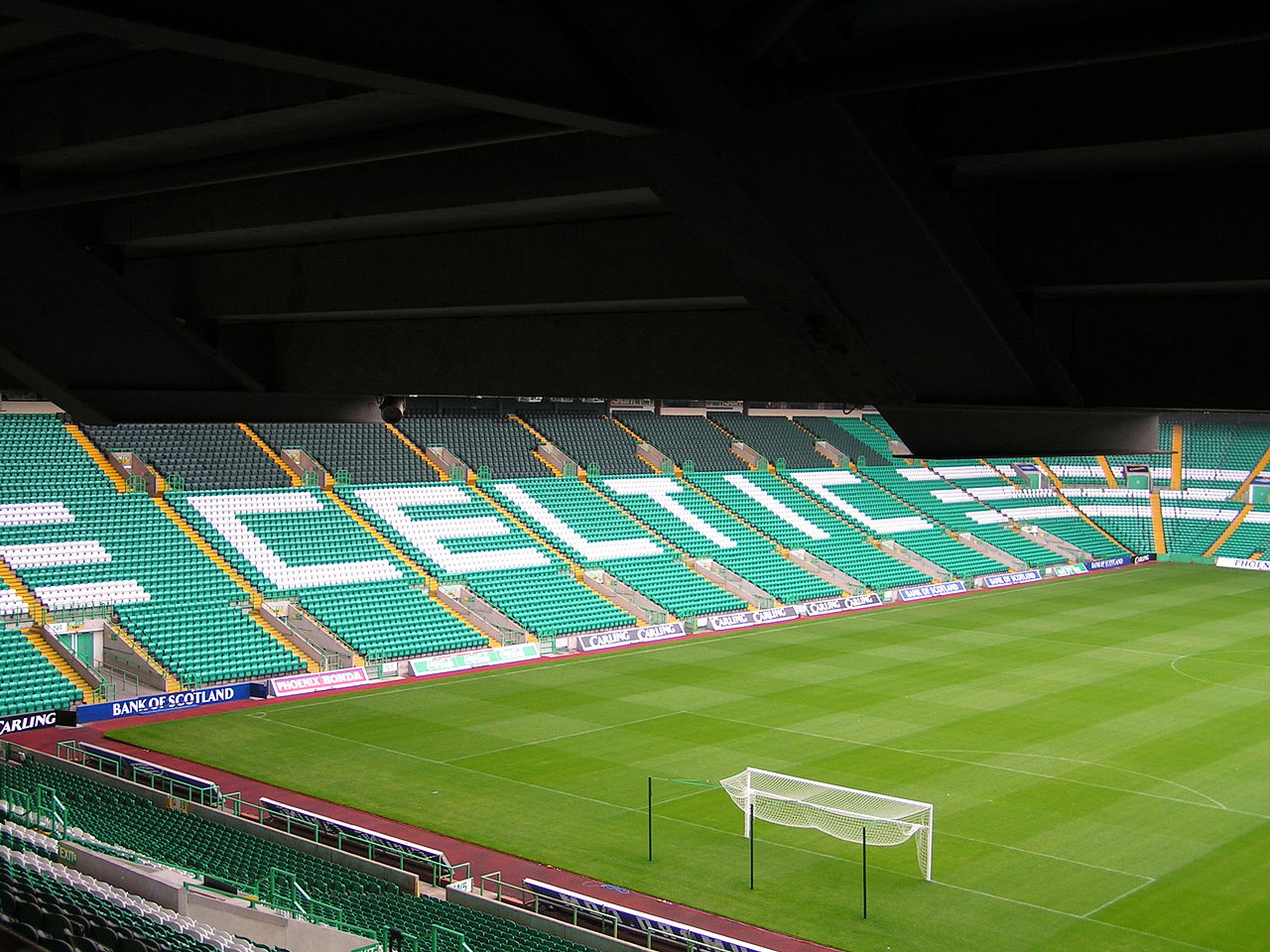


Layout and features
The stadium is an all-seater arena with a capacity of around 60,000, making it the largest club stadium in Scotland and one of the bigger football grounds in the United Kingdom. The site contains four covered stands that ring the pitch, a main stand named in honour of a celebrated club figure, corporate and media facilities, and areas used for club exhibitions and hospitality. Visitors can also find a museum and guided tours that explain the club’s history and the stadium’s role. Parkhead
History and development
Celtic Football Club was established in the late 19th century and the team has been associated with the Parkhead site for most of its existence. The ground evolved over many decades: originally formed in the Victorian era, it underwent a series of expansions and modernisations during the 20th century. In the late 20th century the stadium was comprehensively redeveloped to meet contemporary safety and spectator standards, including conversion to an all-seater configuration and improved spectator facilities. club history
Uses and significance
Beyond serving as the daily home for Celtic FC, the stadium has hosted a wide range of events. These include high-profile domestic fixtures—most notably Old Firm games against local rivals—European ties, occasional national team matches, and selective non-sporting events. The ground is also a focal point for supporters’ activities and club-community programmes, and it attracts tourists who come for matches, museum visits, and guided stadium tours. stadium uses
Notable facts and distinctions
Celtic Park is widely recognised for the strength of its atmosphere on match days, created by large, vocal crowds and a strong sense of local and club identity. It has been the setting for many memorable matches in Scottish and European football and, over its history, has recorded very large attendances. It remains an important piece of Glasgow’s sporting landscape and a symbol of the club’s cultural presence in the city. notable facts
For visitors the area is served by public transport and local amenities, and the club offers official information about tickets, tours, and matchday arrangements. The stadium’s long association with its community and continuing modern role make it a living part of Glasgow’s urban and sporting heritage.
Related articles
Author
AlegsaOnline.com Celtic Park Leandro Alegsa
URL: https://en.alegsaonline.com/art/17926