
Celesta: the bell-like keyboard instrument
A compact encyclopedia article on the celesta: its construction, sound, history, notation, and use in orchestral and solo repertoire, including its role in Tchaikovsky's Nutcracker.
Overview
The celesta (also spelled celeste) is a keyboard instrument that produces a soft, bell-like timbre. It resembles a small upright or cabinet piano in appearance but is classified among struck idiophones rather than plucked or bowed keyboards. When a player depresses a key, a felt-tipped hammer strikes tuned metal plates or bars, and the resulting tone is amplified by a wooden soundboard or resonator. A sustain mechanism or pedal is commonly included to allow notes to ring longer or be damped.
Image gallery
5 Images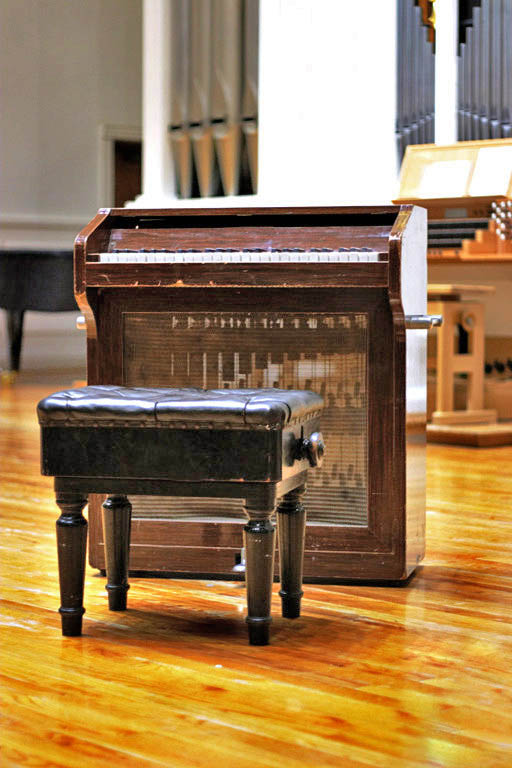



Construction and sound
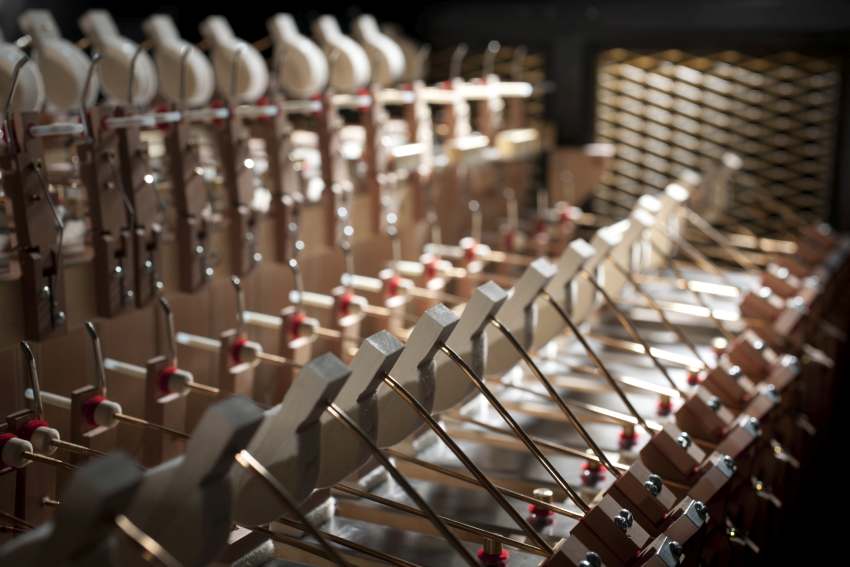
Internally the celesta contains a series of steel or bronze plates, each tuned to a specific pitch. Keys are linked to hammers much like a piano action, but the smaller hammer heads and the use of metal plates give the instrument its distinctive, shimmering, bell-like quality. The dynamic range is typically quieter than a piano, making the celesta ideal for adding a sparkling color rather than carrying melodic lines alone. Typical instruments vary in size and compass, with common models offering several octaves.
Range, controls and variants
Manufacturers produce celestas in different ranges, often spanning a few octaves suitable for orchestral use. A sustain pedal can be used to prolong the sound; some designs also include a separate damper pedal to silence notes. Smaller, portable variants are available for chamber use and studio work, while larger models with extended range may be found in conservatories and orchestral libraries. For an idea of its scale compared to other keyboard instruments, it is sometimes shown alongside an upright piano in illustrations.
History and development
The celesta was developed in the late 19th century as inventors experimented with keyboard mechanisms coupled to tuned metal plates. It emerged as a novel color in the orchestra and quickly attracted composers seeking delicate, otherworldly sonorities. The instrument's name comes from the French word for "heavenly" or "celestial," reflecting the high, luminous sound that composers found evocative of magic, children’s scenes, or nocturnal atmosphere. Its invention date is commonly given in the 1880s.
Repertoire and notable uses
Although the celesta is used sparingly, a few famous passages have made the instrument widely recognized. The most celebrated example is the opening of Dance of the Sugar Plum Fairy, which appears in The Nutcracker suite and helped establish the celesta's association with delicate, sparkling textures. Composers from the late Romantic period through film and contemporary scores have employed the celesta for coloristic effects in orchestral, chamber, and solo contexts. It often doubles other instruments or provides a distinctive solo timbre within an ensemble.
Practical considerations and distinctions
- Sound character: bell-like, soft, and sustained; distinct from a glockenspiel which uses exposed metal bars and is played with mallets.
- Performance practice: dynamics and pedaling are important; the instrument blends well but rarely projects like a piano.
- Notation and parts: composers write celesta parts on a separate stave and, in orchestral scores, often indicate doublings with glockenspiel or harp for reinforcement.
Further reading and resources
For basic technical descriptions and images see instrument catalogs and introductory guides to orchestration. Historical accounts trace the celesta’s adoption in late‑19th and early‑20th century orchestral literature, and contemporary performers continue to explore its possibilities in concerts and recordings. For comparative information on instrument range, consult standard orchestral references that list its usual compass and variations here. General background on The Nutcracker and its scoring can be found here and in numerous program notes here.
Tags
Related articles
Author
AlegsaOnline.com Celesta: the bell-like keyboard instrument Leandro Alegsa
URL: https://en.alegsaonline.com/art/17863