
Casey Stengel: Baseball player, manager, and cultural figure
Concise biography of Charles 'Casey' Stengel: playing career, managerial achievements with the Yankees and Mets, style, legacy, and place in baseball history.
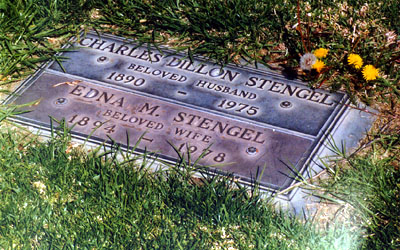
Charles Dillon "Casey" Stengel (1890–1975) was an American professional baseball player and manager whose long involvement in the game made him one of the sport's most recognizable personalities. He began his career as a major-league outfielder and later became a manager best known for leading the New York Yankees to sustained success and for guiding the early New York Mets. Stengel combined tactical flexibility with a widely quoted public persona, and he remains a prominent figure in baseball history.
Image gallery
10 Images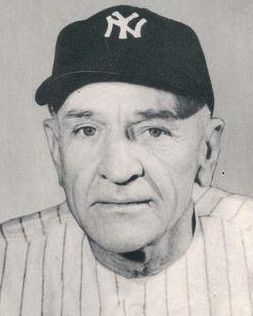




Early life and playing career
Stengel rose to the major leagues as an outfielder and was associated during his playing days with several franchises that are today widely known, including the Dodgers, the Giants and the Braves. His long playing career gave him a deep familiarity with the game's day-to-day demands and an extensive network across professional baseball. Teammates and contemporaries remembered him as a savvy ballplayer who understood both batting and fielding subtleties and who later drew on that experience as a manager.
Managerial career
Stengel's managerial reputation rests largely on two contrasting chapters. With the New York Yankees he presided over a period of consistent winning that cemented his reputation as a championship leader. Decades later he accepted the challenge of managing the expansion New York Mets, a club that struggled on the field in its first seasons but drew attention for Stengel's leadership, personality and ability to keep a fledgling franchise in the public eye. He also managed other major-league clubs earlier in his career and was a familiar presence in MLB circles for many years.
Style, tactics and personality
On the field Stengel was known for inventive roster use: he favored platoons, frequent lineup adjustments and matchup-based decisions long before such ideas were standard practice. Off the field his conversational, aphoristic way of speaking — often called "Casey-isms" — made him a favorite of reporters and fans. His combination of tactical experimentation and showmanship influenced how later managers approached both strategy and public relations.
Later life, honors and legacy
Stengel's contributions to the sport were recognized by his election to the Baseball Hall of Fame, and his reputation has been preserved in histories of mid-20th-century American baseball. He is remembered for both his on-field accomplishments and for bringing a visible, human voice to the managerial role. Family accounts sometimes cite a distant relation to jurist John Forrest Dillon; such connections are noted in biographical references but are not central to Stengel's baseball legacy. For summaries of teams and eras connected to his career, see franchise histories of the Dodgers, Giants, Braves and the broader records of MLB.
- Remembered for managerial innovation and a larger-than-life public persona.
- Led one of baseball's most famous dynasties and later helped establish an expansion club's profile.
- Often cited as an early adopter of platoon and matchup strategies.
- Biographical notes sometimes mention a distant tie to John Forrest Dillon, though his baseball career remains the primary focus of most accounts.
Related articles
Author
AlegsaOnline.com Casey Stengel: Baseball player, manager, and cultural figure Leandro Alegsa
URL: https://en.alegsaonline.com/art/17395