
Casimir Pulaski — Polish nobleman and American Revolutionary cavalry commander
Casimir Pulaski (1745–1779) was a Polish noble and soldier who opposed Russian domination, emigrated to join the American Revolution, organized cavalry units, and died of wounds at Savannah.
Overview
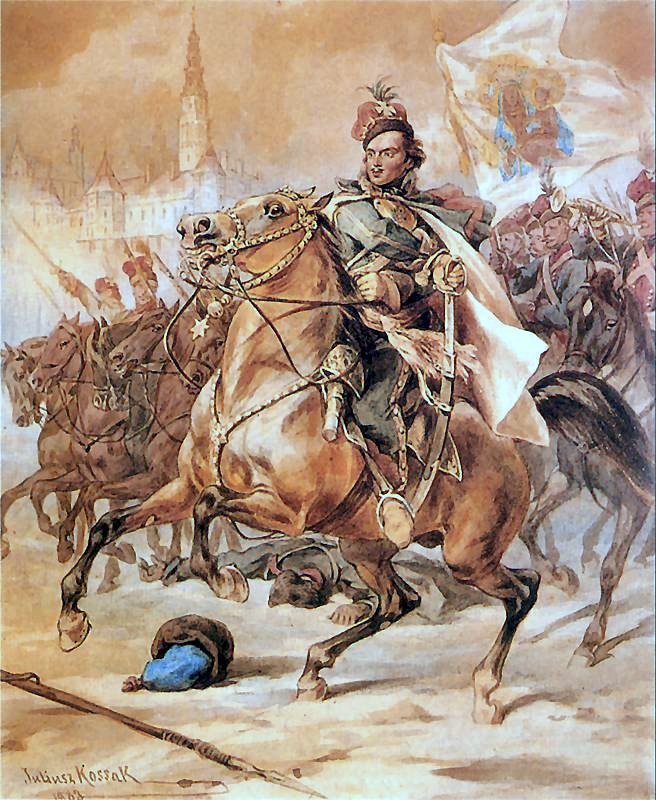
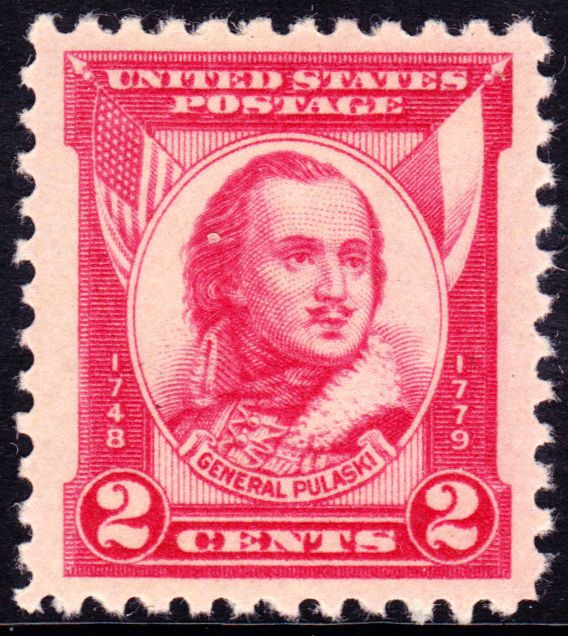
Casimir Pulaski (Kazimierz Pułaski; 1745–1779) was a Polish nobleman, military commander and émigré who played a notable role in both the 18th‑century Polish resistance and the American Revolutionary War. Remembered for his cavalry expertise, he has often been called "the father of the American cavalry" for helping establish mounted forces in the Continental Army.
Image gallery
10 Images




Early life and the Bar Confederation
Pulaski was born to a Polish noble family and entered political and military life early. He became one of the leading figures of the Bar Confederation, an association of nobles formed in the 1760s and 1770s to resist growing Russian influence and to defend the internal rights of the Polish–Lithuanian Commonwealth. As a commander during that uprising he fought several engagements against Russian and allied forces; after the confederates were defeated, Pulaski was forced into exile.
Emigration to North America
Following his departure from Poland, Pulaski traveled to Western Europe and later to North America. On the recommendation of figures such as Benjamin Franklin, he offered his services to the Patriot cause in the American colonies. He sailed to the Thirteen Colonies and soon joined Continental forces in the struggle of the American Revolutionary War.
Service in the Continental Army
Pulaski saw action in several engagements after arriving in America and is frequently credited with aiding the escape of George Washington during the Battle of Brandywine, an episode often mentioned in accounts of his service. Recognizing the need for trained mounted troops, he organized and trained a mixed unit, the Pulaski Cavalry Legion, combining cavalry and light infantry elements. For his leadership and training efforts he was promoted to the rank of general and served as a senior cavalry officer in the Continental Army, advocating for tactics and organization influenced by his European experience.
Siege of Savannah and death
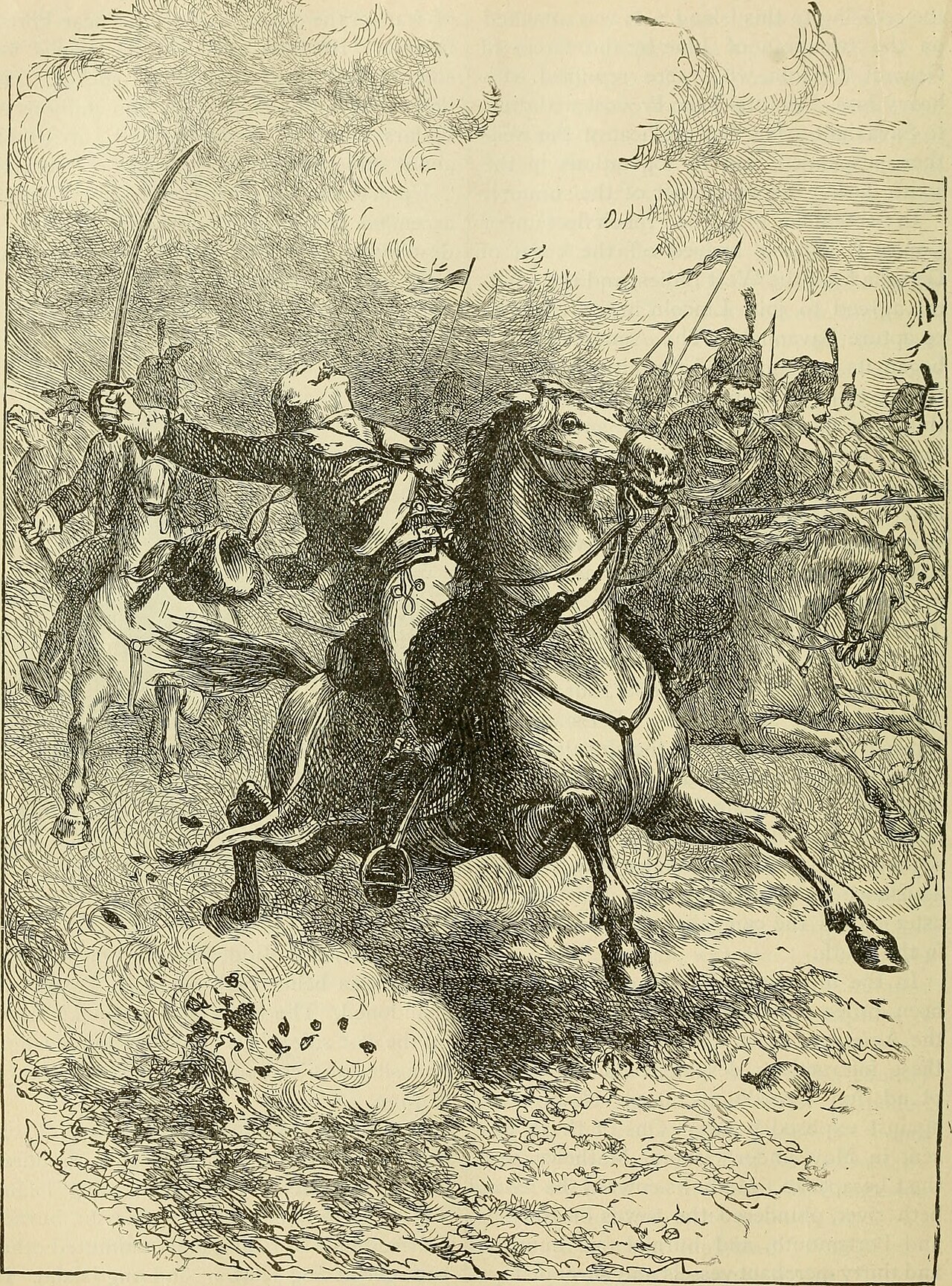
In October 1779, during the allied attempt to recapture Savannah, Georgia, Pulaski led a mounted charge in a bold assault on British defenses. He was gravely wounded—accounts attribute his injury to artillery or grapeshot—and he died soon afterward. His death at Savannah made him a symbol of sacrifice for the revolutionary cause and ensured his memory in both American and Polish commemorations.
Legacy and remembrance
Pulaski's transatlantic career has been widely commemorated. In the United States he is remembered through monuments, place names, annual observances such as Pulaski Day in some communities, bridges and streets bearing his name, and reenactments of his cavalry activities. In Poland he is honored as a national hero of the late 18th century who resisted foreign domination. In 2009 he was posthumously granted honorary U.S. citizenship, a modern recognition of his contribution to American independence.
Research, debate and historical notes
Historians continue to study Pulaski's life with attention to both his Polish campaigns and his American service. Some specific episodes, including precise battlefield actions and the identification of remains attributed to him, have been subject to scholarly investigation and occasional debate; overall, scholars agree that his cavalry experience and training had a lasting influence on American mounted forces.
- Notable facts: leader in the Bar Confederation, organizer of the Pulaski Cavalry Legion, reputed rescuer of Washington at Brandywine, mortally wounded at the Siege of Savannah.
- Commemorations: Pulaski Day observances, monuments and memorials, towns and infrastructure named for him in the U.S. and Poland.
- Further reading: consult biographies and military histories for more detailed accounts of his campaigns.
For additional resources and authoritative references see national archives, military histories and specialist monographs that treat both the Bar Confederation period and Pulaski's American service in detail.
Casimir Pulaski • father of the American cavalry • exile • Benjamin Franklin • American Revolutionary War • George Washington • general • Continental Army
Questions and answers
Q: Who was Count Kazimierz Michał Władysław Wiktor Pułaski?
A: Count Kazimierz Michał Władysław Wiktor Pułaski of Ślepowron coat of arms, also known as Casimir Pulaski, was a Polish nobleman, soldier and military commander who has been called "the father of the American cavalry".
Q: What did he do for the Bar Confederation?
A: He was one of the leading military commanders for the Bar Confederation and fought against Russian domination of the Commonwealth.
Q: How did he become involved in the American Revolutionary War?
A: Following a recommendation by Benjamin Franklin, Pulaski emigrated to North America to help in the cause of the American Revolutionary War.
Q: What is his most notable accomplishment?
A: His most notable accomplishment is when he saved George Washington's life during battle.
Q: What did he create during his time in America?
A: During his time in America, he created both the Pulaski Cavalry Legion and American cavalry.
Q: How did he die?
A: He died at Battle of Savannah while leading a daring charge against British forces after being gravely wounded.
Q: How was he honored posthumously?
A: In 2009, he was honored by becoming an honorary U.S. citizen posthumously.
Related articles
Author
AlegsaOnline.com Casimir Pulaski — Polish nobleman and American Revolutionary cavalry commander Leandro Alegsa
URL: https://en.alegsaonline.com/art/17408