
Carthage, Tennessee — County Seat on the Cumberland River
Carthage is a small Tennessee town and the county seat of Smith County, located on the Cumberland River and included in the Nashville metropolitan area. Population was 2,306 at the 2010 census.
Overview
Carthage is a town in and the county seat of Smith County, in the U.S. state of Tennessee. It lies along the Cumberland River and is considered part of the greater Nashville metropolitan region. According to the 2010 U.S. census the town had a population of 2,306. Carthage functions as a local center for government, schooling and services for surrounding rural communities.
Image gallery
3 Images
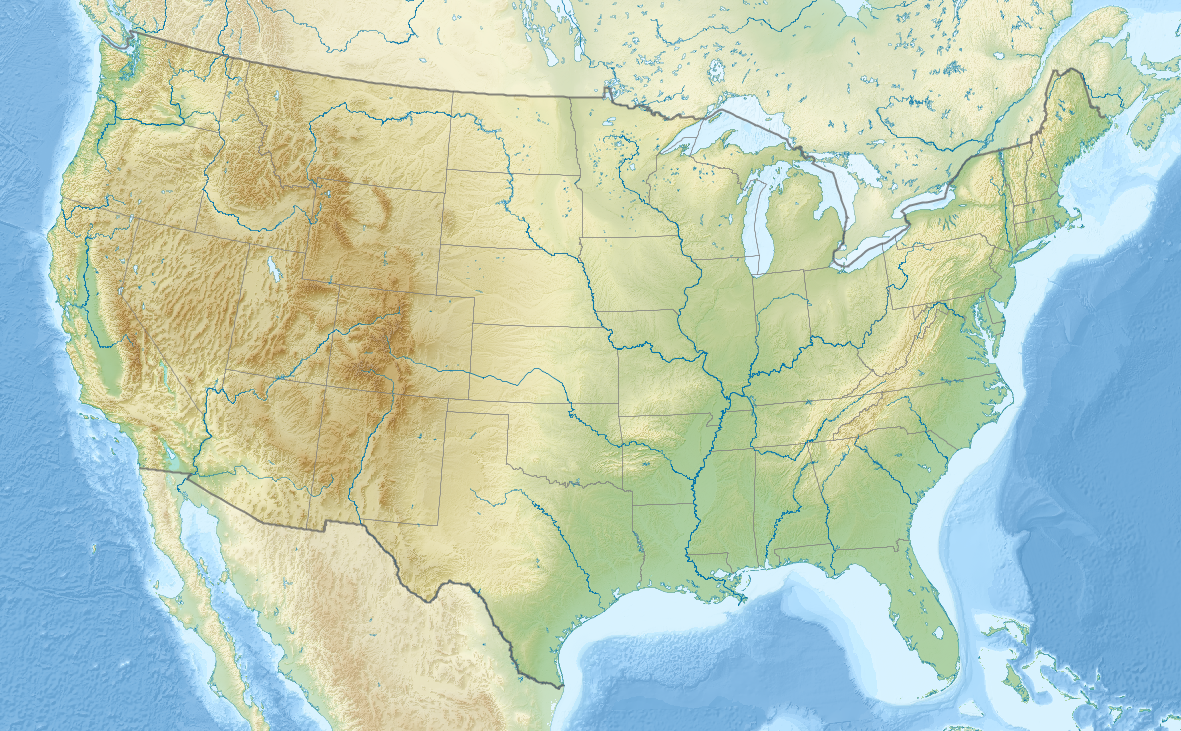
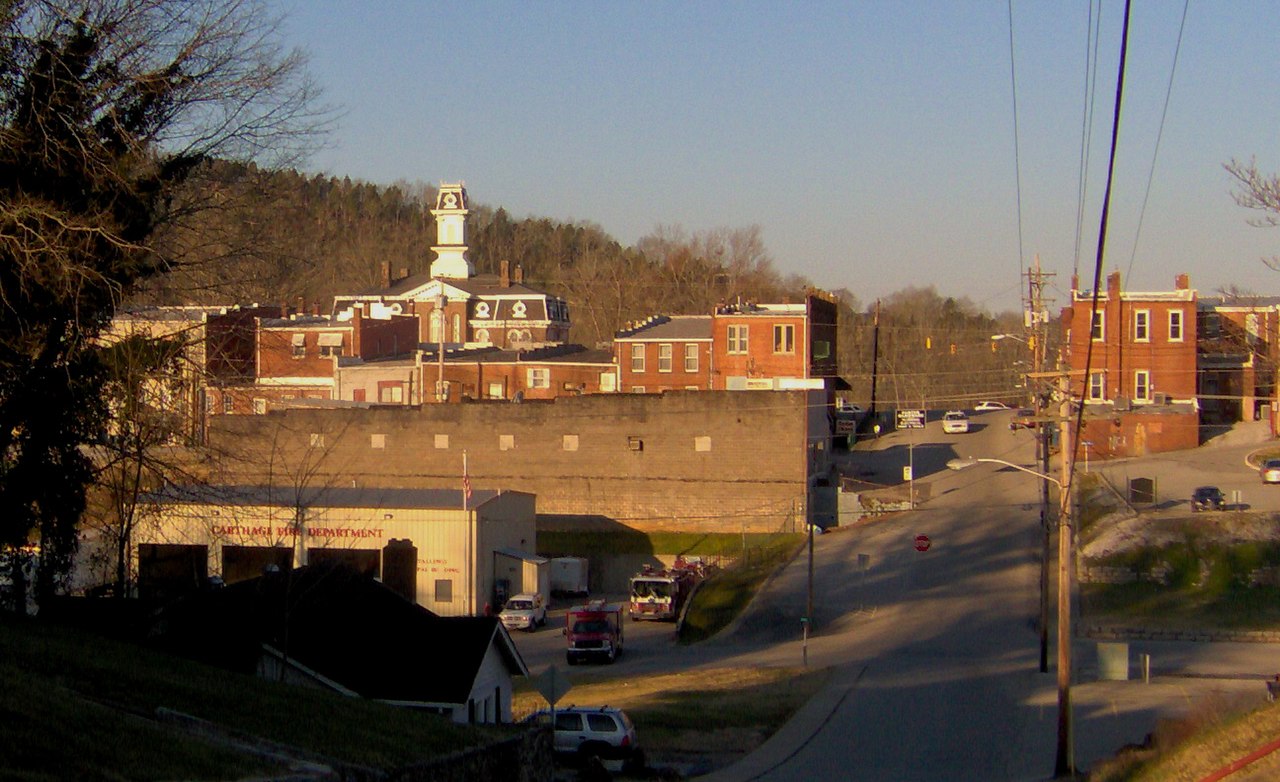
Geography and transportation
The town occupies a riverside setting that historically shaped its development as a crossing and trading point. The Cumberland River and nearby reservoirs influence local recreation and land use. Road connections link Carthage with neighboring towns and make Nashville reachable for commuters and visitors, while local roads connect farms, small businesses and public facilities.
History and development
Carthage developed around river commerce and county government in the 19th century and grew as the region’s economy shifted from frontier settlement to agriculture and small industry. Over time the town maintained its role as Smith County’s administrative center, with a courthouse and municipal institutions serving the county population.
Economy, institutions and culture
The town economy combines local government employment, public schools, retail services and small businesses. Agriculture and outdoor recreation tied to the river and nearby lakes are important to the surrounding rural area. Community life commonly centers on civic events, local churches, school activities and occasional festivals that reflect the county’s rural character.
Attractions and notable features
- Historic courthouse and downtown buildings that reflect the town’s civic history.
- Access to the Cumberland River for boating, fishing and riverside recreation.
- Small parks, community events and local dining that serve residents and visitors.
Distinctions and context
As the county seat of Smith County, Carthage plays a key administrative role in a predominantly rural part of Middle Tennessee. Its inclusion in the Nashville metropolitan area links the town to larger regional economic and planning networks while preserving a small-town atmosphere and riverfront identity.
Tags
Related articles
Author
AlegsaOnline.com Carthage, Tennessee — County Seat on the Cumberland River Leandro Alegsa
URL: https://en.alegsaonline.com/art/17334
Sources
- state.tn.us : Tennessee Blue Book
- books.google.com : Tennessee Place Names
- tn.gov : Certified Population of Tennessee Incorporated Municipalities and Counties
- factfinder2.census.gov : "American FactFinder" · web.archive.org
- geonames.usgs.gov : "US Board on Geographic Names"
- naco.org : "Find a County" · web.archive.org
- factfinder2.census.gov : "Geographic Identifiers: 2010 Demographic Profile Data (DP-1): Carthage town, Tennessee"