
Carol II of Romania (King of Romania, 1930–1940)
Carol II (1893–1953) was king of Romania from 1930 to 1940. His rule combined modernization efforts with growing authoritarianism; private scandals and 1940 territorial crises led to his abdication and exile.
Overview
Carol II was born on 15/16 October 1893 into the Romanian royal family and served as King of Romania from 8 June 1930 until his abdication on 6 September 1940. His reign combined attempts at centralizing state power and modernizing aspects of Romanian life with controversies over his private conduct and political choices. He died in exile on 4 April 1953.
Image gallery
10 Images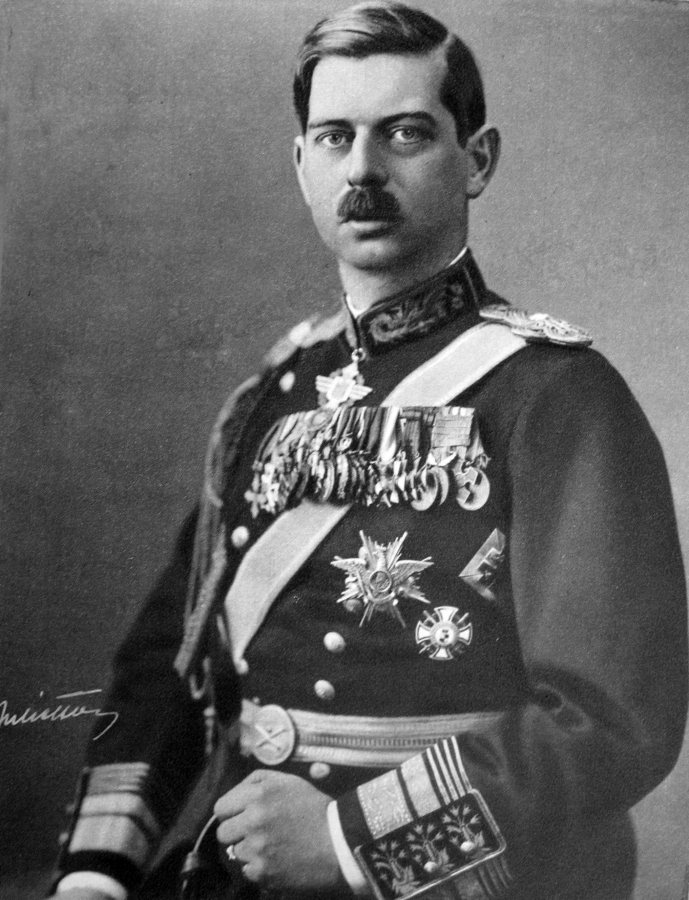




Family background and early life
Born to Romania's ruling dynasty, Carol was raised in a monarchy that had emerged through the 19th-century unification and the First World War. His upbringing, education and connections placed him at the center of national politics even before he assumed the throne. For context on his family and dynastic links see royal background.
Personal life and relationships
Carol's private life attracted sustained public attention and affected his political standing. He married and divorced, fathered the future King Michael I, and maintained a long-term relationship with Elena Lupescu. His liaison with Lupescu, widely discussed by contemporaries, remained a focal point of criticism and scandal during and after his reign; modern accounts often treat it as a factor in his weakening popular support. Additional reading on this episode is available via Elena Lupescu.
Reign, policies and 1938 constitutional change
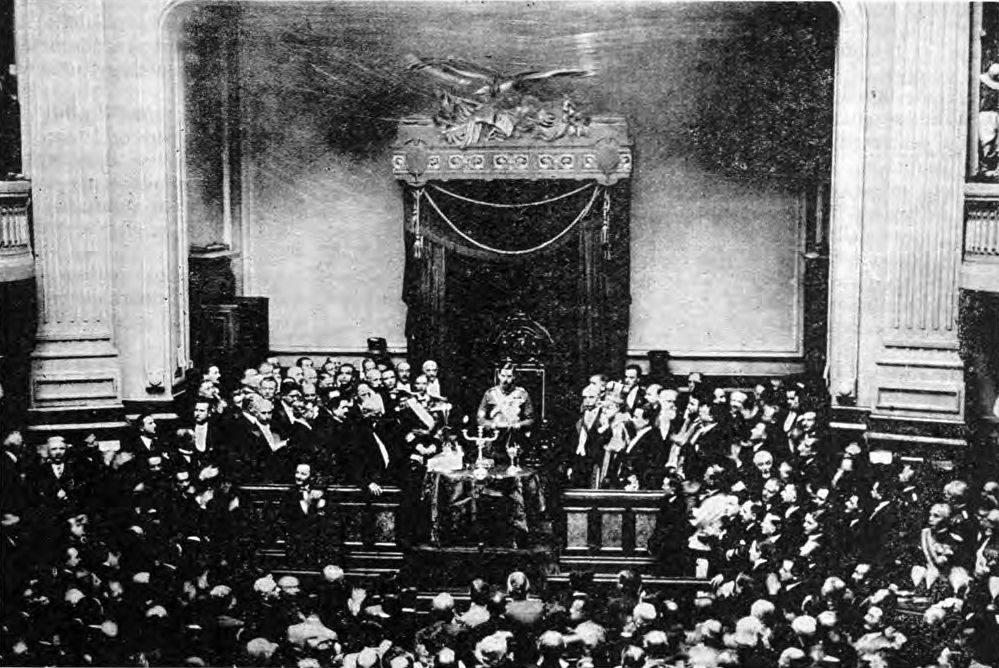
After returning to Romania and taking the throne in 1930, Carol gradually concentrated power. In the late 1930s he moved against partisan fragmentation by imposing tighter controls on political life and promulgating a new constitution that reduced parliamentary influence. His government sought economic and cultural modernization but also reacted to the growing pressure from extremist movements and aggressive neighbors. These tensions shaped both domestic policy and foreign responses.
Crisis, abdication and exile
The year 1940 brought a sequence of diplomatic and military setbacks for Romania, including territorial concessions under external pressure. Mounting unrest and loss of confidence among political and military leaders culminated in Carol's abdication on 6 September 1940, when he renounced the throne in favor of his son Michael. Following abdication he went into exile and spent his remaining years abroad; primary sources record his death on 4 April 1953.
Legacy and historical assessment
Historians describe Carol II as a complex and controversial figure: a monarch who pursued modernization and centralization but whose personal choices and authoritarian turn eroded legitimacy at a critical historical moment. His era is frequently cited in studies of interwar Europe as illustrative of the tensions between democratic institutions and authoritarian solutions in the face of internal division and external threats.
- Birth: 15/16 October 1893
- Accession: 8 June 1930
- Authoritarian measures: constitutional and political centralization (late 1930s)
- Abdication: 6 September 1940
- Death: 4 April 1953
For further primary documents and specialized studies consult archival collections and specialist biographies referenced through institutional portals such as birth records, coronation files at royal archives, and diplomatic reports of 1940 available via historical repositories on the monarchy and contemporary accounts accessible through curated collections noting his death. Additional contextual materials are indexed under 1930 accession and analyses of the 1940 crisis at studies of royal politics and accounts of the abdication.
Related articles
Author
AlegsaOnline.com Carol II of Romania (King of Romania, 1930–1940) Leandro Alegsa
URL: https://en.alegsaonline.com/art/17174