
Carl von Gontard (1731–1791) — German architect and designer
Carl von Gontard (1731–1791) was a German architect noted for 18th‑century public and ecclesiastical improvements in Berlin, Potsdam and Bayreuth, including the domed towers on the Gendarmenmarkt churches.
Carl von Gontard (born January 13, 1731 in Mannheim — died September 23, 1791 in Breslau) was a prominent German architect of the mid‑ to late‑18th century. He is best remembered for major interventions in the urban fabric of Prussian cities, notably contributions that altered the appearance and skyline of central Berlin and surrounding royal residences.
Image gallery
10 Images





Overview and career
Gontard worked for princely and royal patrons and was active in several important cultural centres. His practice included projects in Berlin, Potsdam and Bayreuth, where he combined decorative sculpture, classical vocabulary and late Baroque monumentality. Although not every commission survives intact, his interventions had lasting influence on public buildings and squares in the regions where he worked.
Style and characteristics
Gontard’s work bridges exuberant late Baroque and a restrained early Classicism. He favored pronounced vertical elements such as towers and domes, sculptural ornament on façades, and carefully proportioned classical orders. His additions to existing churches and civic structures often aimed to enhance visibility in urban settings and to create coherent ensembles around public squares.
Notable works and examples
- His most widely recognised accomplishment in Berlin is the addition of domed towers to the Deutscher Dom and the Französischer Dom on the Gendarmenmarkt, which gave the pair their present twin‑towered silhouette.
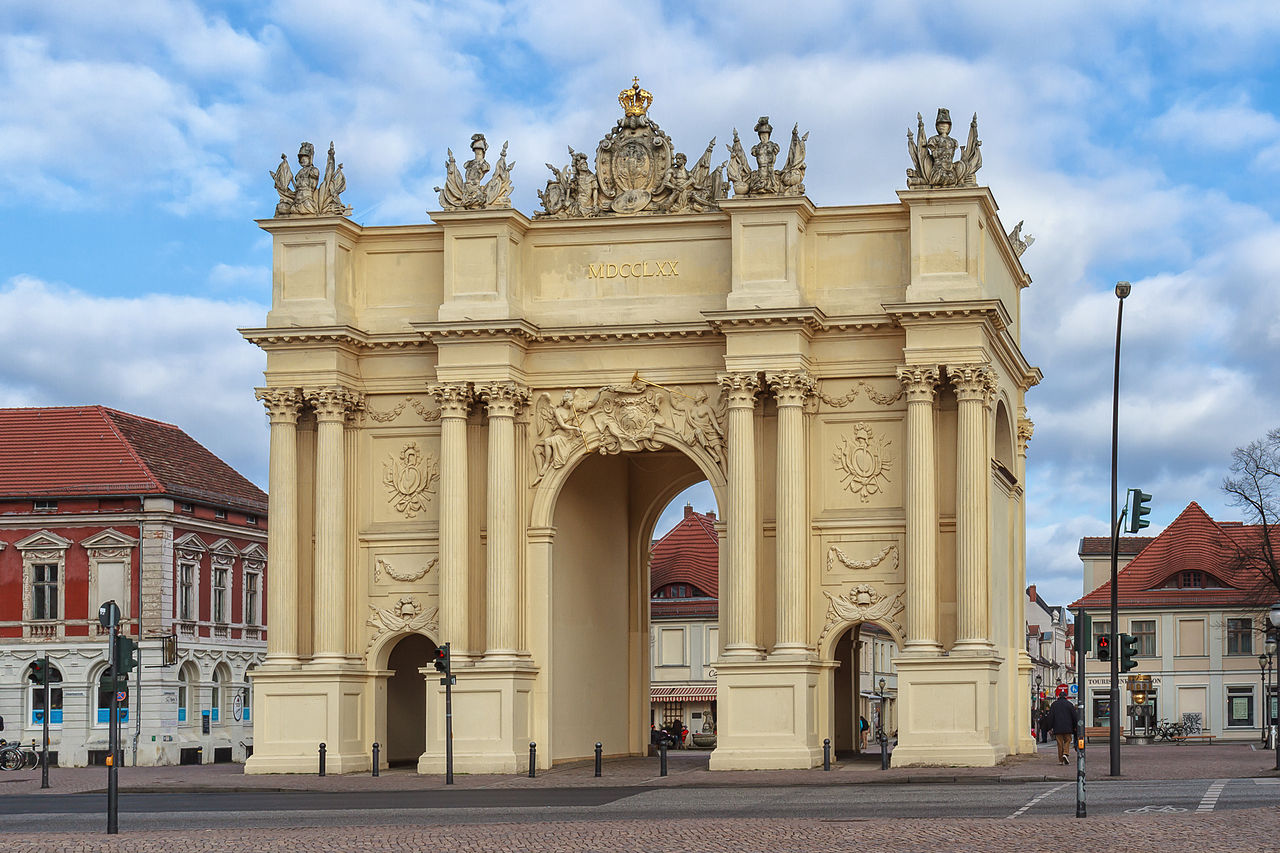
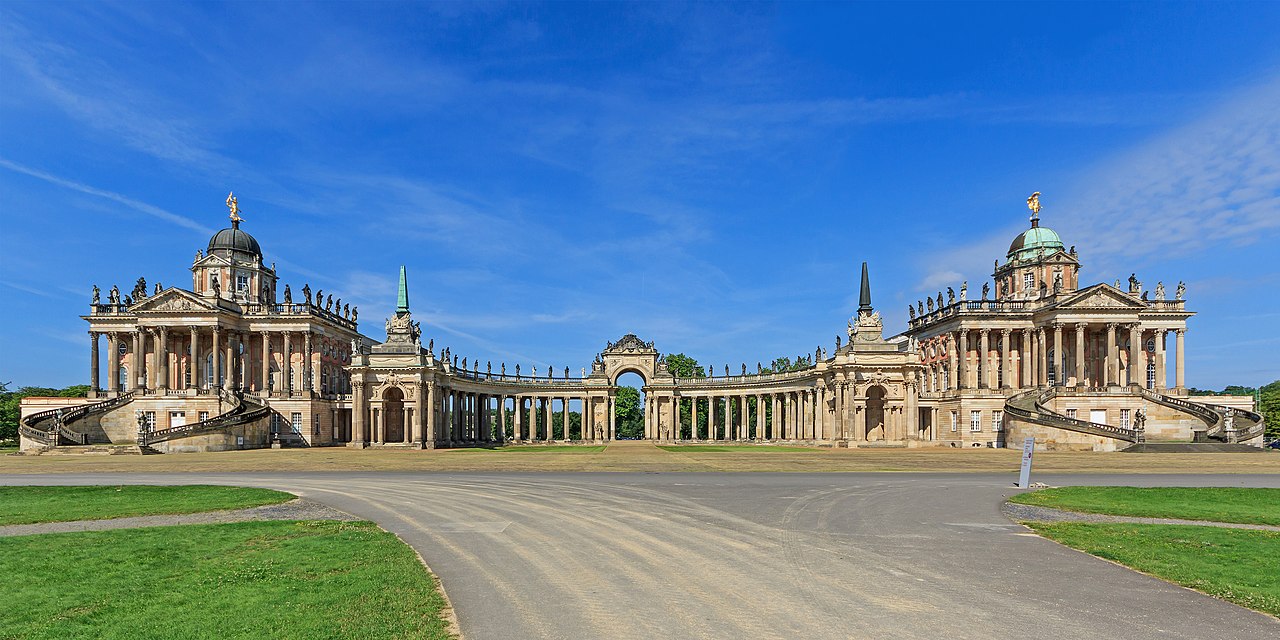
- He executed commissions and modifications in Potsdam, contributing to palace and civic architecture connected with Prussian court life.
- In Bayreuth and other towns he worked on theatres, façades and urban improvements that reflected the tastes of local rulers.
Not every attribution is without debate among historians; documentation from the period can be fragmentary. Nevertheless, Gontard is widely credited with shaping key views and public spaces in late‑18th‑century Prussia.
Legacy
Many of the forms he introduced, especially the domed towers on the Berlin churches, became defining features of the cityscape and are among the most photographed historic monuments today. His blending of decorative richness with classical order illustrates an important transitional moment in German architecture between Baroque exuberance and emerging neoclassical restraint.
Related articles
Author
AlegsaOnline.com Carl von Gontard (1731–1791) — German architect and designer Leandro Alegsa
URL: https://en.alegsaonline.com/art/17017
Sources
- answers.com : answers.com