
Captain Hook (fictional pirate)
Captain Hook is the principal antagonist of J. M. Barrie’s Peter Pan, a proud and vengeful pirate captain notable for his hook, rivalry with Peter Pan, and many stage and screen portrayals.
Overview
Captain James Hook is a fictional pirate created by Scottish author J. M. Barrie and first introduced in the play and novel commonly known as Peter Pan. Portrayed as the chief adversary of the boy who never grows up, Hook is famous for the metal hook that replaces his left hand and for his obsessive vendetta against Peter Pan.
Image gallery
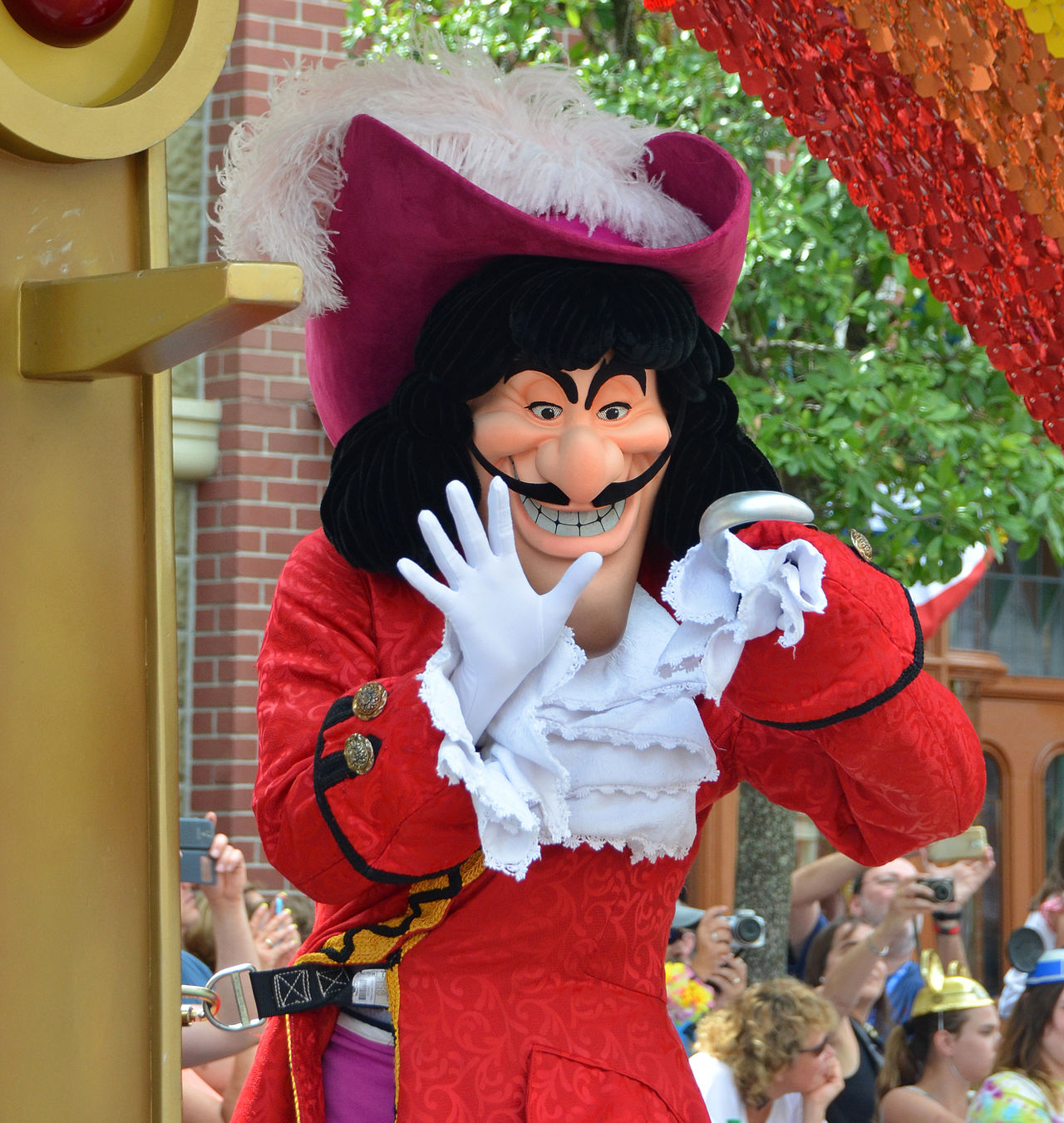
4 Images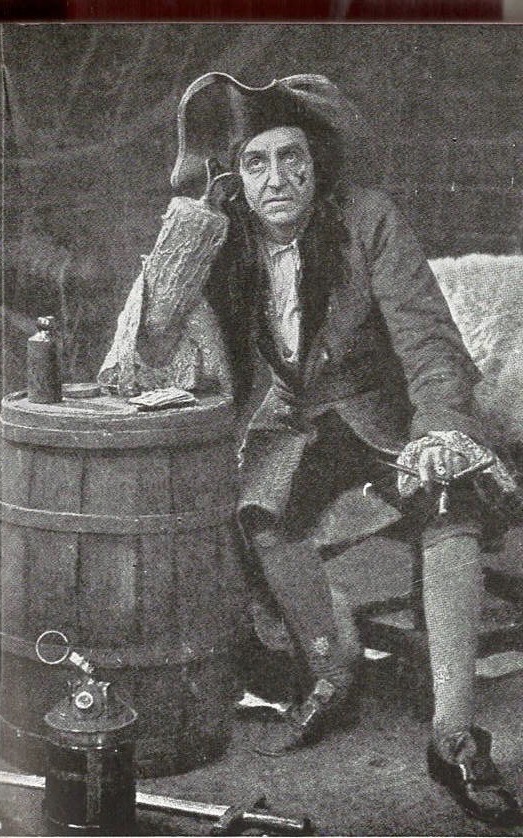


Character and appearance
Hook is typically shown as a flamboyant, well-dressed seafarer with a long coat, tricorne hat, and curled mustache. The missing left hand — replaced by a hook — is central to his identity and to the story’s recurring menace: a crocodile that once ate the severed hand now stalks Hook, attracted by a ticking clock swallowed earlier. This recurring motif combines fear and dark comedy and gives Hook both a mortal enemy and an ongoing, symbolic reminder of time.
Origins and literary role
In Barrie’s text, Hook is both a fearsome captain and a refined, educated man, with manners and tastes that contrast with his brutality. He functions as a foil to Peter Pan’s eternal childhood: where Peter is impulsive and ageless, Hook embodies adult anxieties, mortality, and the consequences of choice. Barrie’s depiction mixes menace with pathos, allowing the character to be played seriously or for comic effect.
Adaptations and notable portrayals
Hook has appeared in theatre, film, television and radio adaptations. Performers who have taken on the role include:
- Stanley Tucci in a recent screen adaptation;
- Dustin Hoffman in the feature film Hook;
- Jason Isaacs in a modern cinematic retelling;
- Jude Law in a newer production.
Legacy and interpretation
Captain Hook endures as a symbol of adult fears and the loss of youth, often reinterpreted to emphasize villainy, tragic obsession, or buffoonery depending on the adaptation. He is one of popular culture’s most recognizable pirate figures and remains a common subject in discussions of theatrical villainy, children’s literature, and adaptations of classic works.
Distinguishing facts
Hook’s relationship with his crew, his strategist mind, and his theatrical speech mark him as more than a one-note villain. The combination of cultured mannerisms and ruthless ambition enables directors and actors to explore a wide tonal range, from sinister Gothic figure to comic antagonist, which helps explain the character’s longevity on stage and screen.
Related articles
Author
AlegsaOnline.com Captain Hook (fictional pirate) Leandro Alegsa
URL: https://en.alegsaonline.com/art/16805