
Çankırı — city and provincial capital in Central Anatolia, Turkey
Çankırı is a city in north-central Turkey and the seat of Çankırı Province. It lies in the Central Anatolia region and had a population of about 85,000 in 2010; it combines administrative, historical and regional roles.
Overview
Çankırı is a city in north-central Anatolia that serves as the administrative centre of Çankırı Province. Situated in the Central Anatolia region of Turkey, the city had a population of approximately 85,073 people in 2010. As a provincial capital it functions as a local hub for government, commerce and services for surrounding rural districts.
Image gallery
5 Images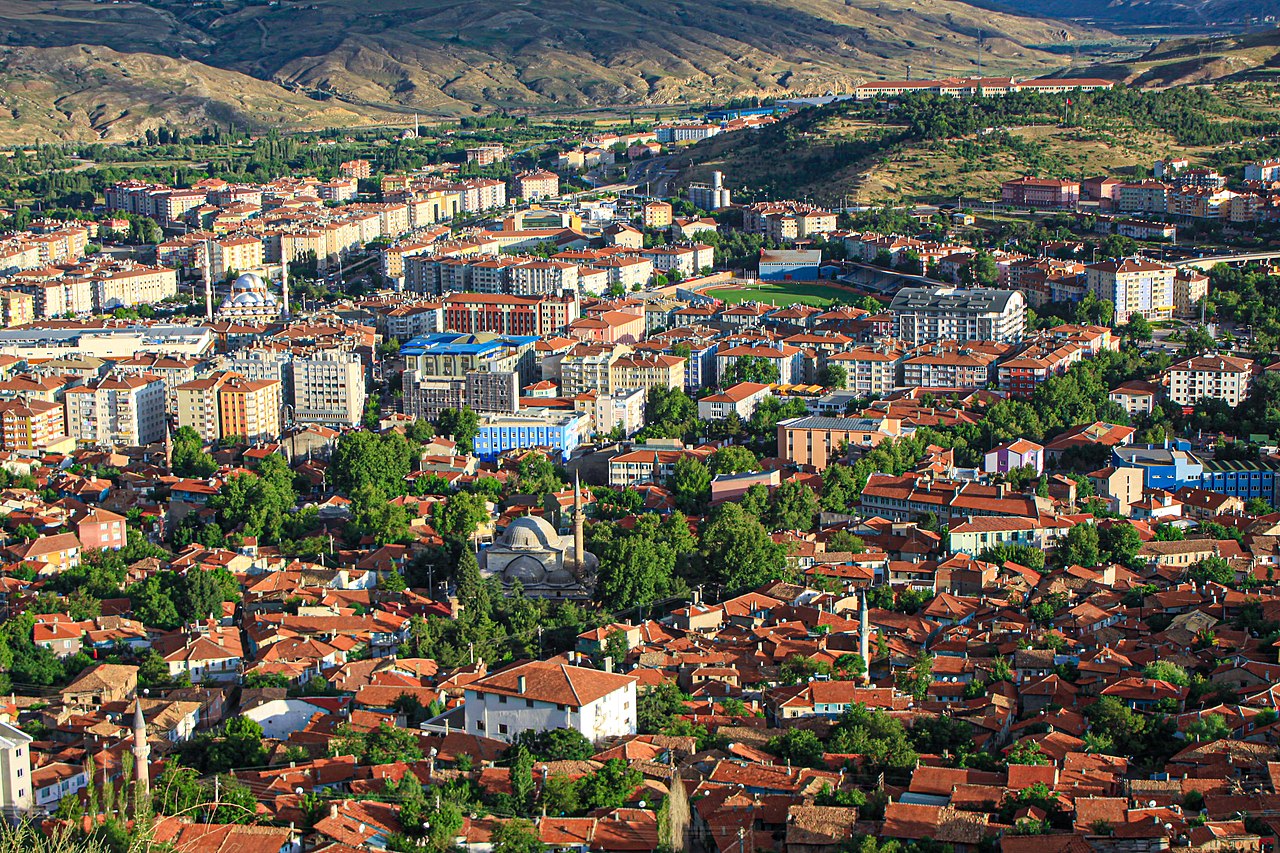


Geography and climate
The city lies on a plain framed by low hills and plateaus characteristic of central Anatolia. Elevation and inland position produce a continental style climate with cold, often snowy winters and warm, dry summers. Agriculture in nearby plains and valleys remains an important part of the regional landscape.
History and built environment
Çankırı has a long settlement history visible in archaeological finds and in layers of medieval and Ottoman architecture. The urban core contains traditional mosques, public baths and historic stone houses alongside more recent municipal buildings. A modest castle or fortified mound and a local museum reflect the city’s historical role as a regional centre.
Economy, institutions and transport
The local economy mixes agriculture, small-scale industry, trade and public administration. The city hosts higher education and cultural institutions, which contribute to services and employment. Road connections link Çankırı to larger cities in Central Anatolia, making it accessible for commerce and tourism.
Culture and notable features
Local culture blends Anatolian rural traditions and urban public life. Crafts, folk music and regional cuisine remain part of everyday life, and seasonal markets and festivals mark communal rhythms. Visitors will find several points of interest, such as:
- historic fortress remains and city walls
- Ottoman-era mosques and baths
- a regional archaeological and ethnographic museum
As a provincial capital, Çankırı continues to adapt, balancing heritage preservation with contemporary development and serving as an administrative, cultural and economic anchor for its region.
Related articles
Author
AlegsaOnline.com Çankırı — city and provincial capital in Central Anatolia, Turkey Leandro Alegsa
URL: https://en.alegsaonline.com/art/16565