
Campagna-de-Sault
Campagna-de-Sault is a tiny rural commune in the Aude department of Occitanie in southern France, home to 19 inhabitants in 2017. It illustrates local administration, rural life, and demographic change in France.
Overview
Campagna-de-Sault is a small rural commune located in the Occitanie region of southern France. Administratively it belongs to the Aude department and recorded 19 residents in 2017. The locality lies within the wider Occitanie area, an historic cultural landscape sometimes referred to simply as Occitanie by visitors and regional authorities, and is typical of the quiet, sparsely populated parts of southern France.
Image gallery
1 Image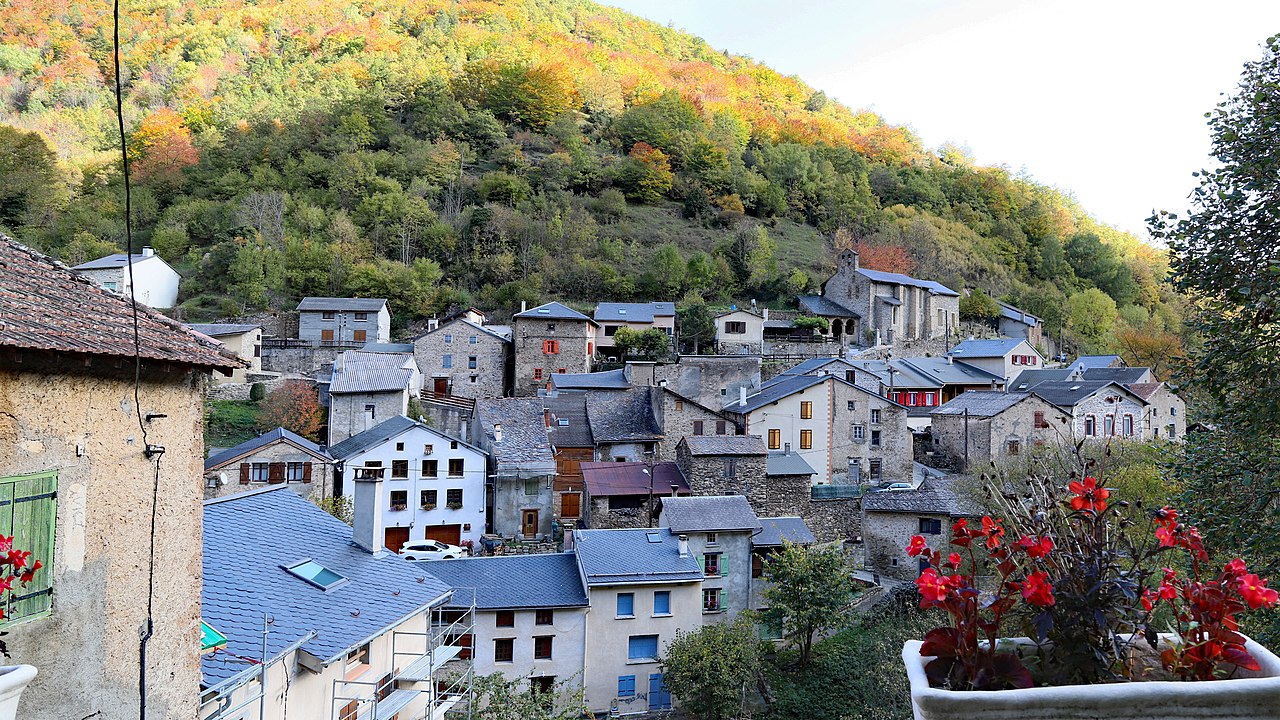
Characteristics and landscape
The commune consists of a small village and surrounding countryside. Vegetation and land use are commonly a mix of pasture, small-scale agriculture and woodland. Buildings are generally traditional in style, and roads are rural. Local life centers on agriculture, seasonal work and the rhythms of a tiny community.
History and administration
Like many French communes, Campagna-de-Sault has long local roots with influences from Occitan language and medieval settlement patterns. It functions as the lowest tier of French government: a municipal council, led by a mayor, manages local affairs. To provide services efficiently the commune may cooperate with nearby communes through intercommunal structures.
Economy, uses and importance
Economic activity is modest and typically oriented toward agriculture, forestry and small-scale tourism. Such communes are important as custodians of rural landscapes, traditional practices and biodiversity. They also attract visitors seeking quiet, nature and cultural authenticity rather than built attractions.
Notable facts and challenges
With very few residents, Campagna-de-Sault exemplifies demographic decline affecting many rural areas in France. Small population places pressure on maintaining schools, shops and public services, yet it also preserves a way of life increasingly rare in urbanized countries. Discussions about mergers or shared services are common responses to these challenges.
Further reading
- Administrative profile and statistics: commune data
- Regional context: Occitanie overview
- Department information: Aude resources
- Local government structure: departmental services
- Southern France travel and geography: southern France
Related articles
Author
AlegsaOnline.com Campagna-de-Sault Leandro Alegsa
URL: https://en.alegsaonline.com/art/16356