
Camilo José Cela (1916–2002)
Spanish novelist, short story writer and essayist; Nobel Prize laureate in 1989, known for works such as La familia de Pascual Duarte and La colmena and for a distinctive, often bleak prose.
Overview
Camilo José Cela was a prominent Spanish writer whose long career included novels, short stories and essays. Born in 1916, he became one of the most influential literary figures of post‑Civil War Spain and was awarded the Nobel Prize in Literature in 1989 "for a rich and intensive prose, which with restrained compassion forms a challenging vision of man's vulnerability." For further general information, see biographical sources.
Image gallery
4 Images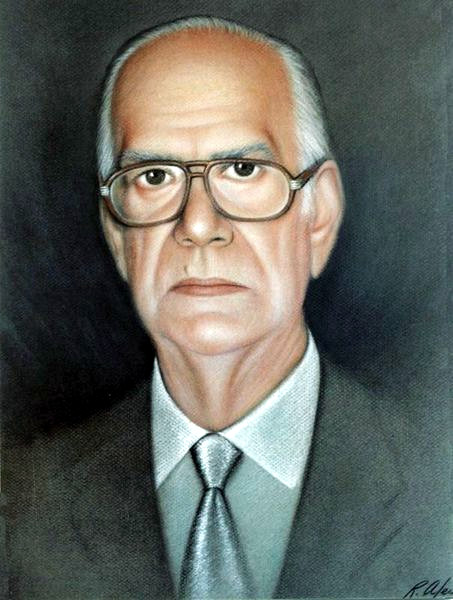


Life and career
Cela grew up in Galicia and spent much of his life writing in Spanish, although his regional background informed portions of his work. He came of age during the Spanish Civil War and the difficult cultural and political climate that followed; those experiences shaped the themes and outlook of many of his books. He was later a member of Spain's literary institutions and received public honours, including a noble title bestowed by the crown.
Major works
- La familia de Pascual Duarte (1942) — an influential early novel marked by bleak realism and a troubled protagonist.
- La colmena (The Hive, 1951) — a densely populated mosaic novel portraying urban life in postwar Spain; its realistic depiction led to publication complications under censorship and early editions appeared abroad.
- Numerous short stories, essays and later experimental works that display a range from traditional narrative to more playful, linguistic experimentation.
Style, themes and significance
Researchers and readers note Cela's versatility: he combined social realism with dark humor, economical plotting with vivid description, and sometimes unconventional forms. Recurrent themes include human vulnerability, violence, social fragmentation and the lingering effects of war and poverty. His prose is often praised for its intensity, precise diction and observational detail.
Honours and legacy
In addition to the Nobel Prize, Cela held public positions in Spain's cultural life and was widely translated. His work remains studied for its contribution to 20th‑century Spanish letters and for its reflection of Spain's turbulent modern history. He died in Madrid in 2002 from heart disease, aged 85.
For readers approaching his work today, Cela offers both an entry into postwar Spanish literature and a body of writing that spans conventional storytelling and formal experimentation.
Related articles
Author
AlegsaOnline.com Camilo José Cela (1916–2002) Leandro Alegsa
URL: https://en.alegsaonline.com/art/16334
Sources
- nobelprize.org : "Nobel Prize in Literature 1989"