
Cameraman (Camera Operator): Role, Equipment, History, and Practice
A cameraman (camera operator) captures moving images for film, television, news and digital media. This article outlines duties, tools, history, working environments, career paths, techniques, and distinctions.
Overview
A cameraman, more commonly called a camera operator today, is the professional who frames and records moving images for film, television, news and other recorded media. Their work ranges from operated studio cameras for live broadcasts to handheld or mounted units on narrative sets. The role centers on visual storytelling: choosing composition, camera movement and lens selection to support the director's or cinematographer's creative intent. For feature projects this work happens on set with a motion picture camera, while in television and news it may involve broadcast cameras and compact digital systems.
Image gallery
9 Images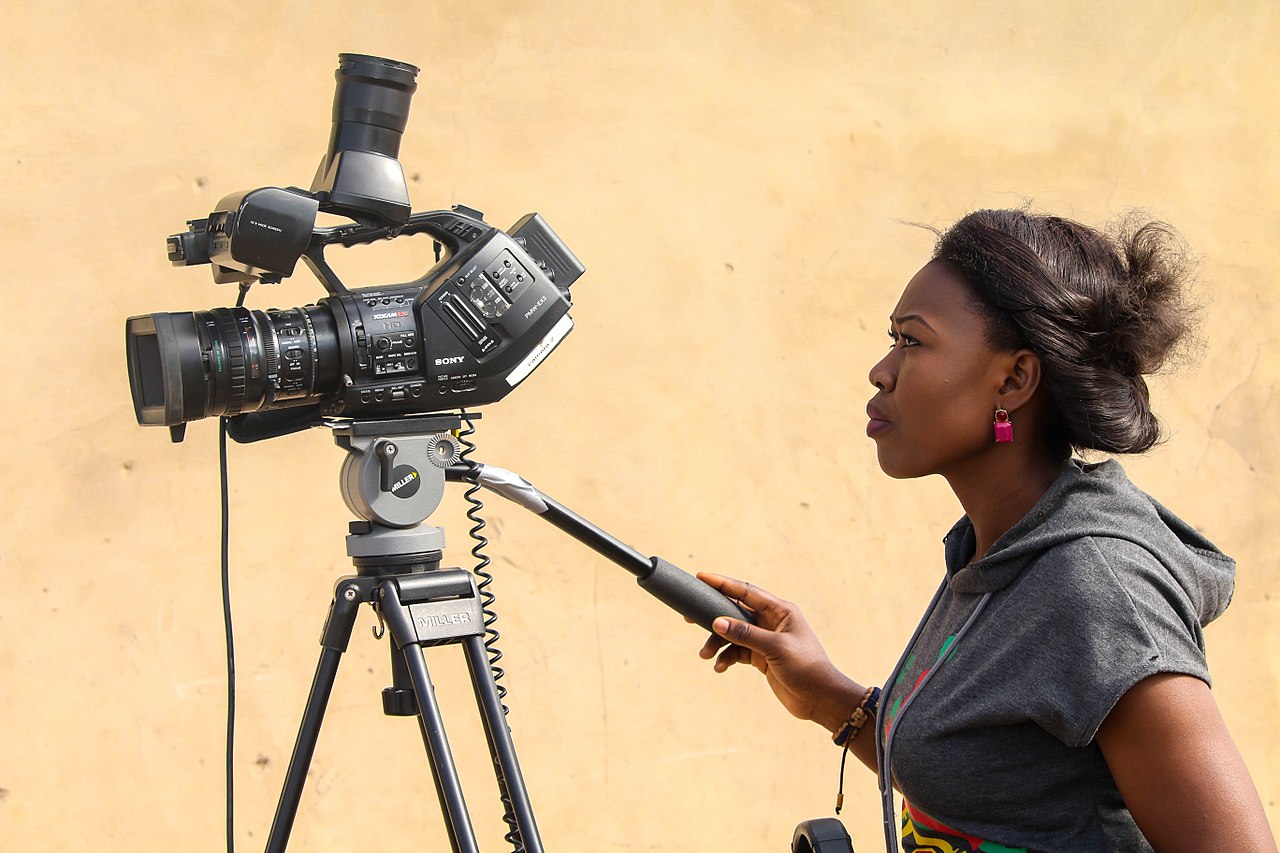


Primary responsibilities
Camera operators perform a mix of technical and creative tasks. Typical duties include:
- Composing shots and framing subjects according to continuity and style.
- Operating camera support equipment such as tripods, dollies, cranes, Steadicams and gimbals.
- Executing planned camera moves and adjusting for focus, exposure and lens changes.
- Collaborating with directors, directors of photography, focus pullers and grips to achieve the desired look.
- Maintaining and prepping cameras, media, batteries and accessories between shoots.
Equipment and techniques
Modern camera work uses a wide variety of tools: film or digital cameras, interchangeable lenses, filters, matte boxes and stabilizing devices. Operators must understand focal lengths, depth of field, shutter and frame rates, and how those choices affect motion and exposure. Increasingly, aerial platforms such as drones and remote heads are part of the operator's toolbox, requiring additional certification and safety awareness in many jurisdictions.
History and development
From the earliest days of cinema, the person behind the camera has been central to how stories are seen. Early camera operation involved bulky, mechanical devices; technological advances introduced lighter cameras, synchronized sound, and later, high-resolution digital sensors. Each innovation expanded the possibilities for movement, low-light shooting and immediate playback, changing both technique and production workflows.
Work environments and career path
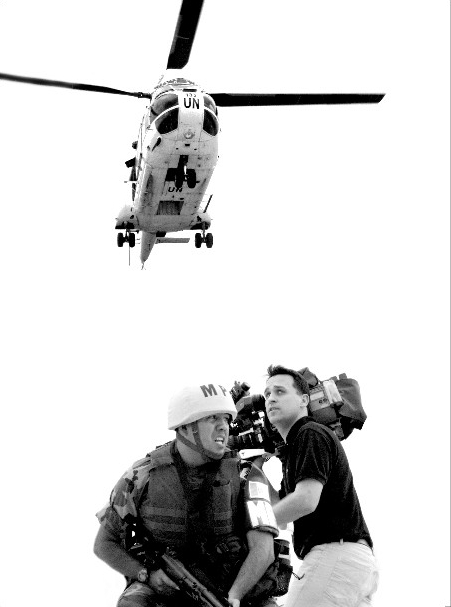
Camera operators work in diverse settings: film and television sets, newsrooms, live sports, documentaries, corporate video and online content. Entry routes include film schools, on-the-job apprenticeship, technical programs and assisting established camera crews. On larger productions, camera operators are part of a camera department that includes first and second assistants and a cinematographer who oversees the visual design. In many countries, experienced operators may join professional associations or unions that represent camera crafts.
Distinctions and notable facts
The title "cameraman" is traditional and gendered; "camera operator" or "camera professional" is now widely used. It is important to distinguish the camera operator from the cinematographer or director of photography (DP): the DP sets the overall visual style and lighting plan, while the operator executes camera movement and framing. For those interested in learning more about the role in a cinematic context, see discussions of on-set roles and equipment in introductory resources such as a typical movie production primer.
Practical importance: Camera operators translate creative decisions into visible motion. Their technical skill and eye for composition directly affect audience engagement, the clarity of storytelling and the visual identity of a production.
Related articles
Author
AlegsaOnline.com Cameraman (Camera Operator): Role, Equipment, History, and Practice Leandro Alegsa
URL: https://en.alegsaonline.com/art/16309