
Cama, Switzerland
Cama is a small Italian‑speaking municipality in the Moesa district of Graubünden, located in the Mesolcina valley of southern Switzerland. It combines rural life, mountain scenery and regional history.
Overview
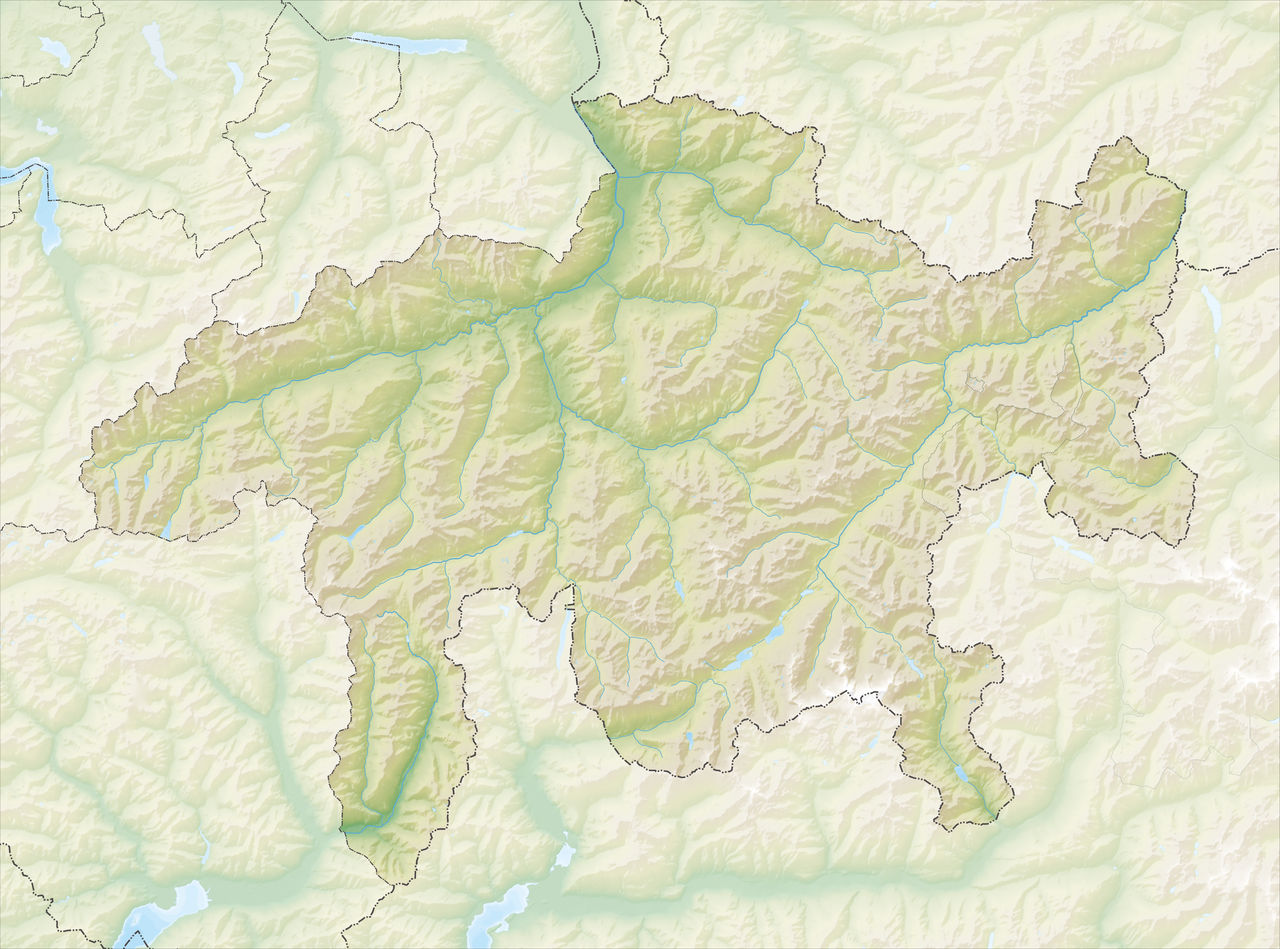
Cama is a small municipality in the district of Moesa, situated in the southern part of the canton of Graubünden. It lies within the Mesolcina (Misox) valley, one of the southern valleys of Graubünden that open toward the Swiss canton of Ticino and the Alps. The community is generally rural and relatively small in population compared with urban Swiss centres.
Image gallery
2 Images
Geography and access
Cama occupies a stretch of the valley carved by the Moesa river and is surrounded by mixed forest and alpine pastures. The village sits on mountain slopes and valley terraces that have long supported small-scale agriculture and woodland resources. Road connections follow the valley floor and link Cama to neighbouring communities and regional transport routes; these routes provide access to larger towns beyond the valley.
History and development
The settlement history of the Mesolcina valley is medieval in origin, with communities developing around agriculture, trade along valley roads and local crafts. Over centuries the area became part of the political structures that formed modern Graubünden. Today Cama retains traces of older building styles and a layout shaped by historical land use and family farms.
Economy, language and culture
Cama is part of the Italian‑speaking portion of Graubünden, which is notable for the canton’s overall linguistic diversity. Local economic life combines agriculture, forestry, small enterprises and some visitor services. Traditional architecture, village festivals and family-run farms contribute to community life; cultural connections often reach into neighbouring valleys and Ticino.
Characteristics and notable facts
- Location: in the Mesolcina (Misox) valley along the Moesa river.
- Administrative: a municipality within the Moesa district of Graubünden.
- Language: predominantly Italian‑speaking, reflecting the southern Graubünden culture.
- Access: connected by valley roads to regional centres and services.
For official information, municipal services and local announcements consult the municipality’s resources and regional guides for the Moesa valley (further information).
Related articles
Author
AlegsaOnline.com Cama, Switzerland Leandro Alegsa
URL: https://en.alegsaonline.com/art/16227
Sources
- bfs.admin.ch : "Arealstatistik Standard - Gemeinden nach 4 Hauptbereichen"
- bfs.admin.ch : "Ständige Wohnbevölkerung nach Staatsangehörigkeitskategorie Geschlecht und Gemeinde; Provisorische Jahresergebnisse; 2018"