
Camagüey: Cuban city and provincial capital
Camagüey, in central Cuba, is a historic provincial capital and cultural center known for its winding streets, colonial architecture, pottery heritage and role as one of the island's largest cities.

Overview
Camagüey is a major city in central Cuba and serves as the administrative seat of the surrounding Camagüey Province. It is one of the country's largest urban centers, with a population of roughly three hundred thousand inhabitants and a broad hinterland extending toward the island's interior plains. The city functions as an important regional hub for transport, education and public administration.
Image gallery
10 Images


History and development
Founded in the early 16th century during Spanish colonization, Camagüey grew from a colonial settlement into a fortified and commercial town. Its layout and monuments reflect successive periods of growth under Spanish rule, the republican era and the 20th century. The historic centre preserves examples of colonial and neoclassical architecture and has been recognized for its cultural value.
Urban character and architecture
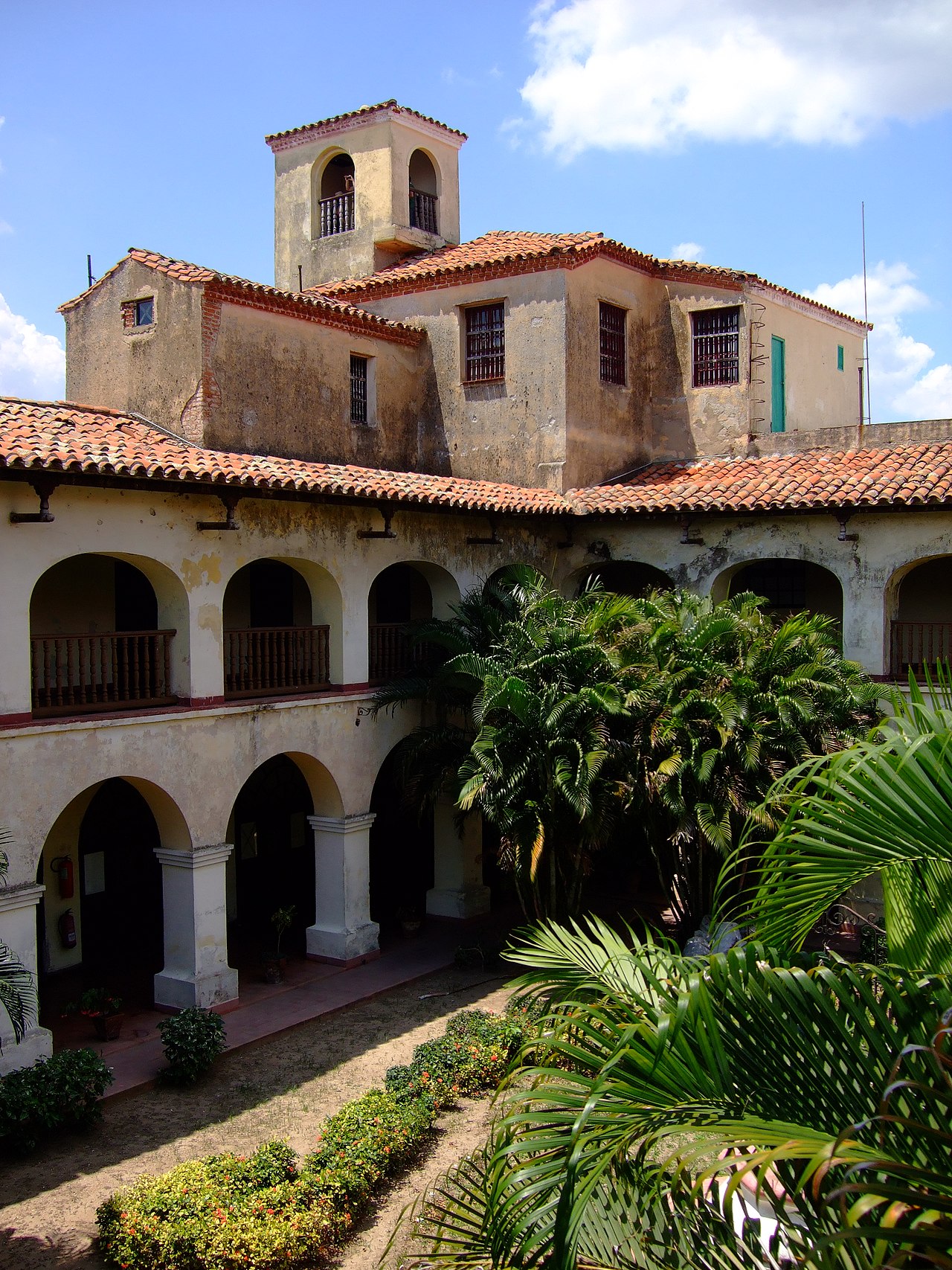
Camagüey's older neighborhoods are notable for narrow, often irregular streets and plazas that developed organically rather than on a rectilinear grid. Local tradition attributes the maze-like plan to defensive measures against pirates, a mix of practical adaptation and legend. The cityscape includes churches, town houses with inner courtyards, and public squares that remain active civic spaces.
Economy and culture
The regional economy historically centered on agriculture—particularly cattle, sugar and related industries—while contemporary activity also includes education, light manufacturing and cultural tourism. Camagüey has a lively arts scene, with theaters, galleries and music festivals. Local crafts include distinctive pottery and large earthenware jars that are part of the city's material heritage.
Notable sites
- Museums and historic churches in the old town
- Public squares and parks that anchor neighborhood life
- Traditional workshops and craft markets exhibiting ceramics and folk art
- Institutions for performing arts and annual cultural events
Camagüey's combination of historical depth, urban distinctiveness and cultural vitality makes it a key destination for those interested in Cuba's interior regions, offering both architectural heritage and living traditions.
Related articles
Author
AlegsaOnline.com Camagüey: Cuban city and provincial capital Leandro Alegsa
URL: https://en.alegsaonline.com/art/16229