
Calvados (French department)
Calvados is a coastal department in Normandy, France, known for its historic towns, D-Day sites, apple orchards and the apple brandy that bears its name.
Calvados is a department in the Normandy region of northwestern France, with the city of Caen as its administrative center. It stretches to the English Channel and combines a varied coastline with inland farmland and hedged bocage. The department is both agricultural and historical, attracting visitors for its cultural heritage and coastal resorts.
Image gallery
10 Images




Geography and landscape
The territory includes sandy beaches, chalk cliffs and low-lying estuaries along the coast, and gently rolling countryside inland. Rivers such as the Orne cross parts of the department. The mix of seaside towns, pastureland and orchards contributes to a diverse rural landscape typical of Lower Normandy.
History and development
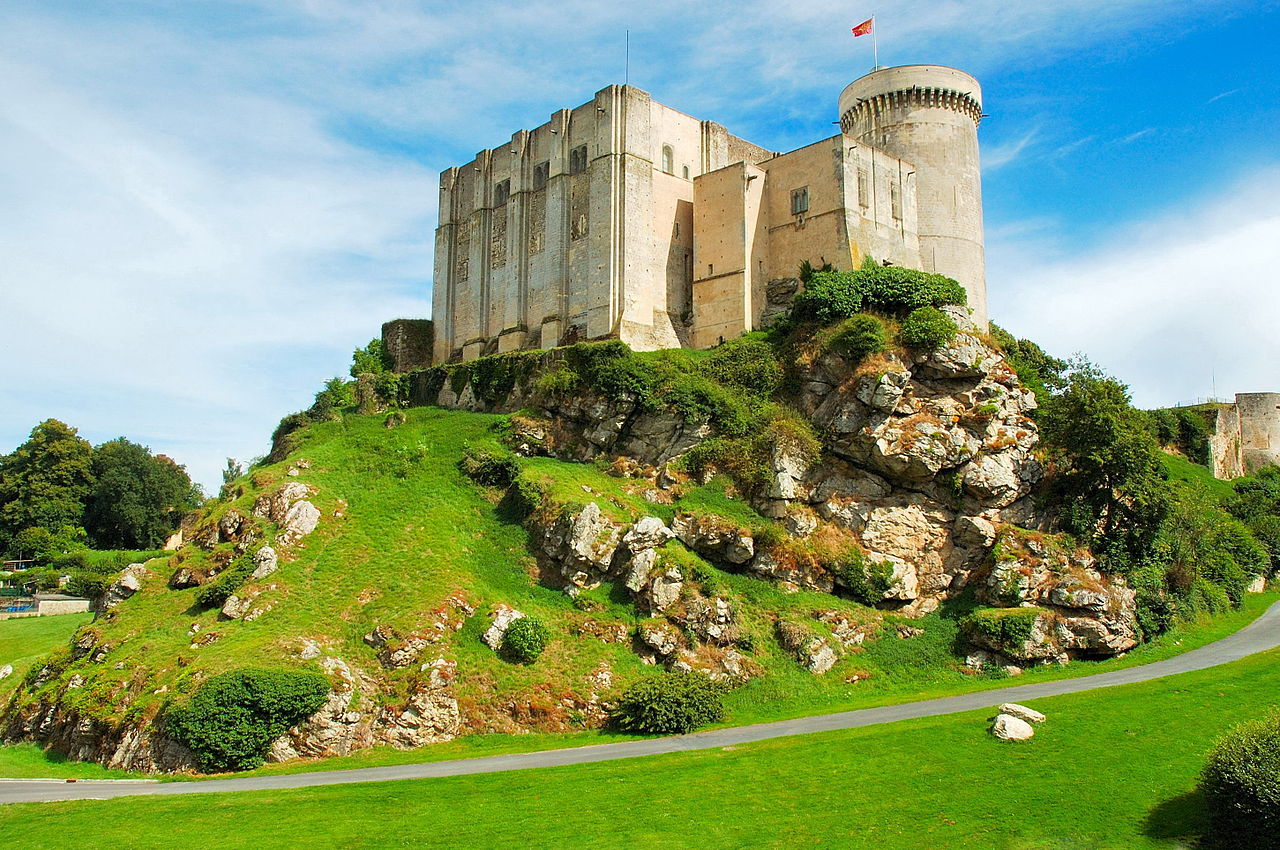
Calvados was created during the administrative reorganisation of France in the era of the French Revolution, when historic provinces were replaced by departments. The area has deep medieval roots, Norman architecture and a layered history that includes modern events: many of the Allied landings of World War II occurred on the department's beaches.
Economy, culture and products
Agriculture remains important: dairy farming, apple orchards and cider production shape the local economy. The well-known apple brandy called Calvados takes its name from the department and is an officially protected regional product (an AOC spirit). Local cuisine, markets and festivals reflect Norman traditions.
Notable places and tourism
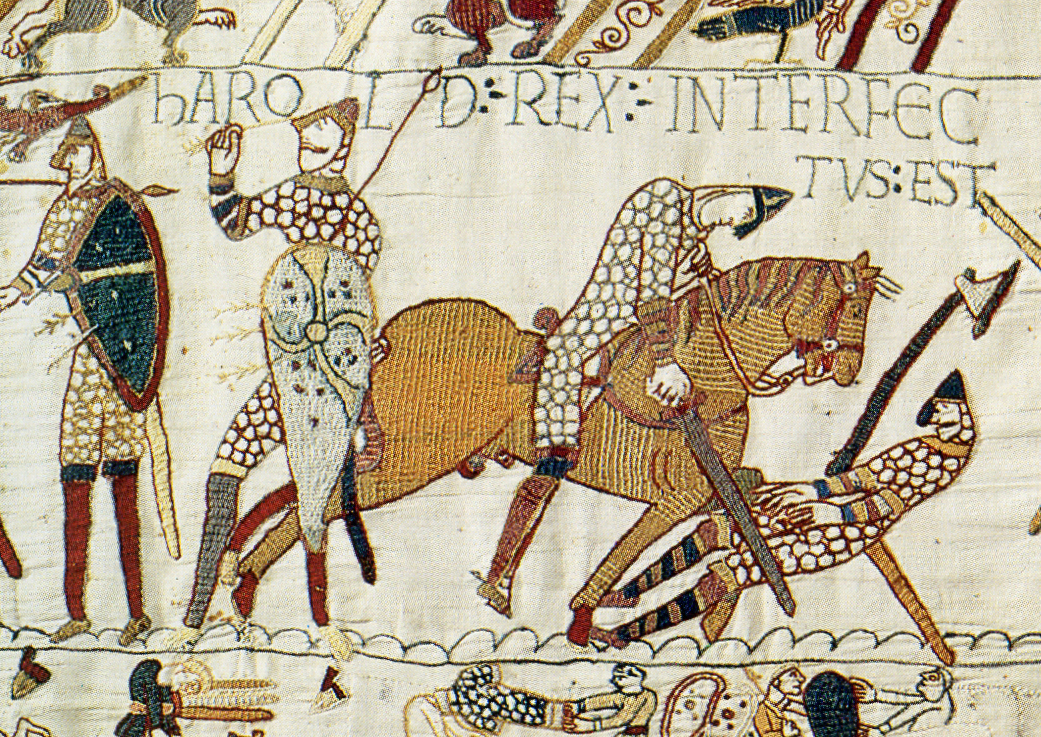
- Bayeux, home to the famous tapestry and medieval streets.
- Caen, with its castle, abbeys and museums.
- The D-Day landing beaches and related memorials.
- Seaside resorts such as Deauville, Trouville and the port of Honfleur.
Visitors often consult official tourism and government resources for planning: department information, regional tourism and historical guides like heritage references. Distinctive both for its landscapes and its cultural products, Calvados remains a prominent part of Normandy's identity.
Related articles
Author
AlegsaOnline.com Calvados (French department) Leandro Alegsa
URL: https://en.alegsaonline.com/art/16206