
Air Berlin — German airline (founded 1978, ceased 2017)
Overview of Air Berlin: origins as a charter carrier in 1978, shift to low-cost operations, fleet and network, membership in oneworld, and insolvency leading to cessation in 2017.
Overview

Air Berlin was a major German airline that grew from a charter operator into the country's second-largest carrier. It operated scheduled domestic and international services across Europe and beyond, using a mixed short- and long-haul fleet. The airline is commonly remembered for its shift to low-cost operations in the early 2000s and for its eventual insolvency and shutdown in 2017. Contemporary summaries and profiles note its position as the second-largest airline in Germany.
Image gallery
10 Images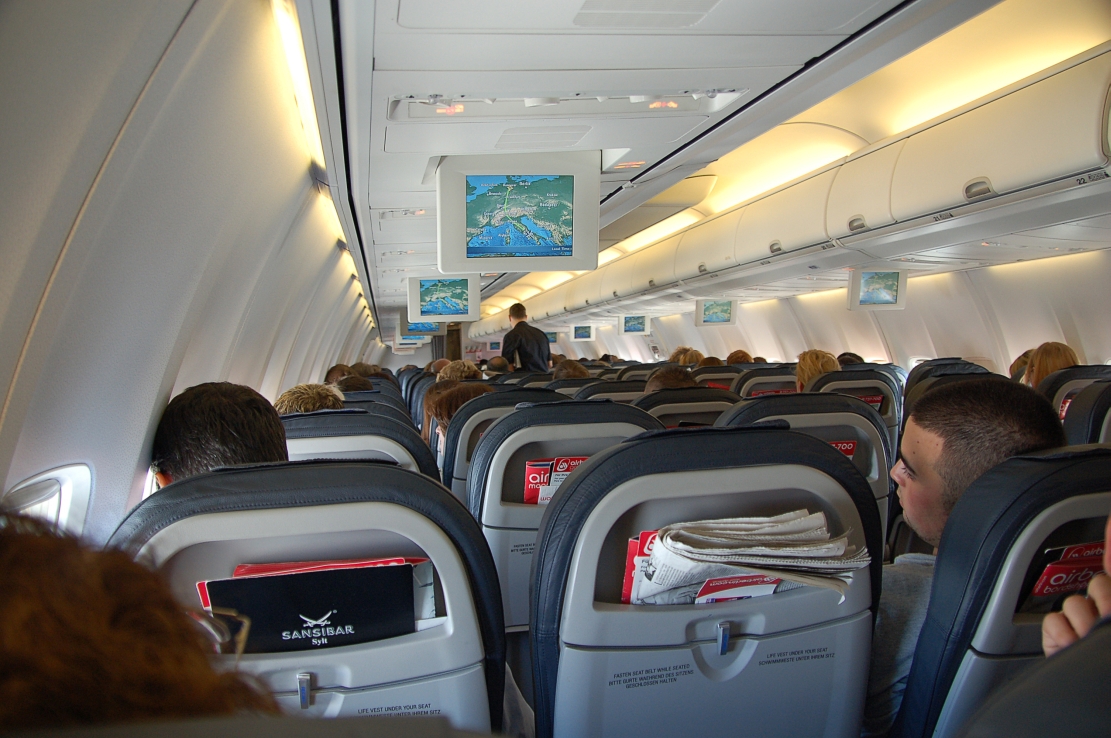


History and development
Founded in 1978, Air Berlin began life primarily as a holiday charter airline, with its first commercial flights commencing in 1979. Over the following decades it transformed from a niche charter operator into a widespread low-cost and scheduled carrier. A pivotal change occurred around 2002 when the company adopted a low-cost model to compete more directly with budget carriers. The airline later pursued partnerships and alliance membership to broaden its network and services; for an account of its early dates see founding details and records of the first flights.
Operations, fleet and services
Air Berlin operated a mixture of narrow- and wide-body aircraft suitable for short European hops and longer intercontinental routes. Common types in its fleet included aircraft from the Airbus A320 family for short-haul sectors and larger Airbus widebodies for long-haul routes. The carrier ran a frequent-flyer program, offered various cabin classes on selected services, and maintained multiple German bases to support its network.
- Short- and medium-haul services across Europe
- Selected long-haul routes connecting Germany with overseas destinations
- Frequent-flyer and ancillary revenue products
Alliance membership and corporate moves
In 2012 Air Berlin joined the oneworld airline alliance as part of a strategy to integrate more closely with global partners and feed into wider networks; official notices and commentary about this step are available in contemporary reports about oneworld membership and related announcements from 2012. The alliance membership reflected a shift in how low-cost carriers and legacy networks interacted in that period.
Insolvency and end of operations
Financial pressures culminated in a filing for insolvency on 15 August 2017; the filing was publicly reported and led to emergency measures by regulators and partner airlines. The company later announced it would end its own flight operations by 28 October 2017. Contemporary news and formal statements document the timeline from the initial insolvency filing to the announcement that the airline would cease operating under its own brand later that year.
Legacy and significance
Air Berlin's trajectory illustrates several trends in modern aviation: the evolution of charter airlines into scheduled and low-cost carriers, the value and limits of alliance membership for hybrid carriers, and the competitive pressures in European aviation that can lead to consolidation or failure. Its collapse had immediate effects on passengers, staff and market dynamics in Germany and Europe's low-cost sector, and remains a case study in airline restructuring and market competition.
Questions and answers
Q: What was Air Berlin?
A: Air Berlin was the second largest airline in Germany.
Q: When was Air Berlin started?
A: Air Berlin was started in 1978.
Q: When was Air Berlin's first flight?
A: Air Berlin's first flight was in 1979.
Q: When did Air Berlin become a low-cost carrier?
A: Air Berlin became a low-cost carrier in 2002.
Q: When did Air Berlin join Oneworld?
A: Air Berlin joined Oneworld in 2012.
Q: When did Air Berlin file for insolvency?
A: Air Berlin filed for insolvency on 15 August 2017.
Q: When did Air Berlin announce the end of its operations?
A: Air Berlin announced the end of its operations on 9 October 2017, with the final date being set for 28 October 2017.
Related articles
Author
AlegsaOnline.com Air Berlin — German airline (founded 1978, ceased 2017) Leandro Alegsa
URL: https://en.alegsaonline.com/art/1603
Sources
- airberlin.com : airberlin.com
- everything.explained.today : "Air Berlin Explained"
- centreforaviation.com : "airberlin joins oneworld alliance, but its full potential will not be immediately realised"
- welt.de : "Air Berlin meldet Insolvenz an – Bundesregierung gibt Kredit"
- planespotters.net : "Please verify your request"