
Cádiz — Spanish port city and historic provincial capital
Cádiz is a coastal city in Andalusia, Spain, notable for its ancient origins, strategic Atlantic port, lively Carnival, historic monuments and role in Spain's maritime and political history.
Overview
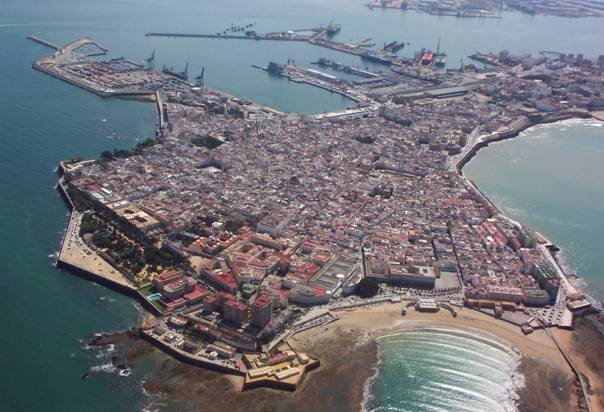
Cádiz is a coastal city and the administrative centre of the Province of Cádiz in Andalusia. Located on a narrow spit of land projecting into the Atlantic, it is often described as the southernmost capital on the Iberian Peninsula. The municipality has a population of roughly 120,000–130,000 people and forms the core of the Bay of Cádiz metropolitan area, which includes neighbouring towns and together hosts several hundred thousand residents. The city's long maritime vocation, combined with its compact historic fabric, gives Cádiz a distinctive character among Spanish port cities.
Image gallery
10 Images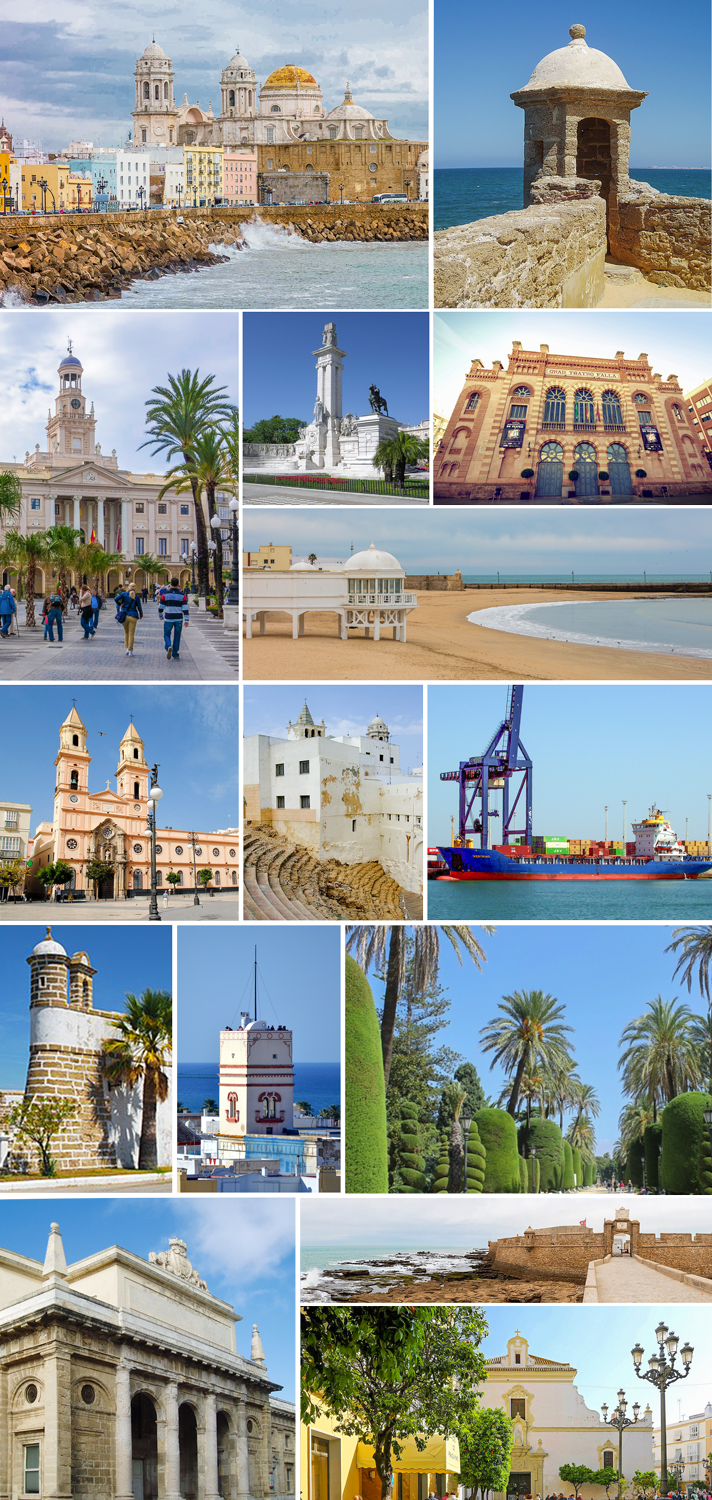




Geography and climate
Cádiz occupies a promontory with sandy beaches on both sides and sheltered waters in the bay. Its position on the Atlantic coast moderates temperatures year round: winters are mild and summers warm but tempered by sea breezes, making the area a centre for sailing and other nautical activities. The urban landscape alternates broad seafront promenades and beaches with a dense old town of narrow streets, plazas and traditional houses with balconies.
History
Cádiz is among the oldest continuously inhabited cities in Western Europe. It originated as a Phoenician trading outpost and later became the Roman city known as Gades. During the early modern period the city's harbour rose in importance as a key embarkation and commercial point for voyages to the Americas; Cádiz flourished in the Age of Discovery and during the Spanish Golden Age as a centre of maritime trade. In the early 19th century the city was central to Spain's political life when the Cortes of Cádiz drafted the Constitution of 1812, an important milestone in Spanish liberal history. Over centuries Cádiz's defensive walls, forts and watchtowers were adapted to changing naval technologies and strategic needs.
Culture and society
The city is famed for its Carnival, one of Spain's liveliest popular festivals, noted for satirical groups (chirigotas), musical ensembles and street theatre. Cultural life includes museums that present the city's naval and archaeological past, theatres, and a strong tradition of local music and cuisine centred on seafood and tapas. Historically the population of Cádiz has been predominantly Roman Catholic, but as in many contemporary European cities religious practice has declined and the local community displays religious and cultural plurality; demographic studies describe a largely secular society with diverse beliefs and backgrounds (demographics).
Economy and landmarks
The local economy blends tourism, port activities, fisheries, services and education. Notable landmarks include the Cádiz Cathedral with its distinctive dome, the 18th‑century watchtower Torre Tavira, and coastal fortifications such as the castles of San Sebastián and Santa Catalina. The small beach of La Caleta, flanked by historic fortresses, is famous for its setting and has been used as a filming location. The University of Cádiz and maritime research centres contribute to education and innovation in the region.
Transport and access
Cádiz is accessible by road and rail connections to the Andalusian interior and by bridges that link the city to the mainland. Ferries and coastal services operate around the Bay of Cádiz, while the nearest major airport and larger rail hubs provide links to national and international destinations. Local public transport and pedestrian-friendly streets make the historic centre easily walkable for visitors and residents.
Conservation and archaeology
Archaeological remains from Phoenician, Roman and later periods are present beneath parts of the old town and in museum collections. Conservation efforts focus on protecting historic buildings, coastal environments and intangible cultural heritage such as Carnival traditions. Urban pressures from tourism and coastal development require ongoing planning initiatives to balance economic vitality with preservation of Cádiz's historic fabric.
For further reading and resources, consult official provincial and regional information and cultural institutions that document Cádiz's archaeology, maritime past and contemporary urban life: About Spain · Provincial resources · Andalusian tourism · Iberian geography · Demographic studies · Religious history · Western European antiquity · Maritime exploration era
Related articles
Author
AlegsaOnline.com Cádiz — Spanish port city and historic provincial capital Leandro Alegsa
URL: https://en.alegsaonline.com/art/15918