
Cabo San Lucas: Resort City at the Southern Tip of Baja California
Cabo San Lucas is a Mexican resort city at the southern tip of the Baja California peninsula, famous for beaches, sport fishing, diving, whale-watching and the natural sea arch 'El Arco'.
Overview
Cabo San Lucas is a coastal city located at the extreme southern end of the Baja California peninsula in the Mexican state of Baja California Sur. It is part of the Los Cabos metropolitan area and one of the principal tourist destinations in Mexico. Commonly shortened to "Cabo," the town is known for a lively marina, resort developments, and a reputation as a center for recreation and hospitality.
Image gallery
10 Images
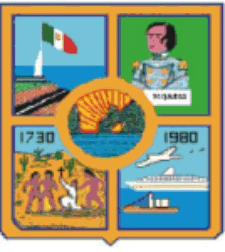

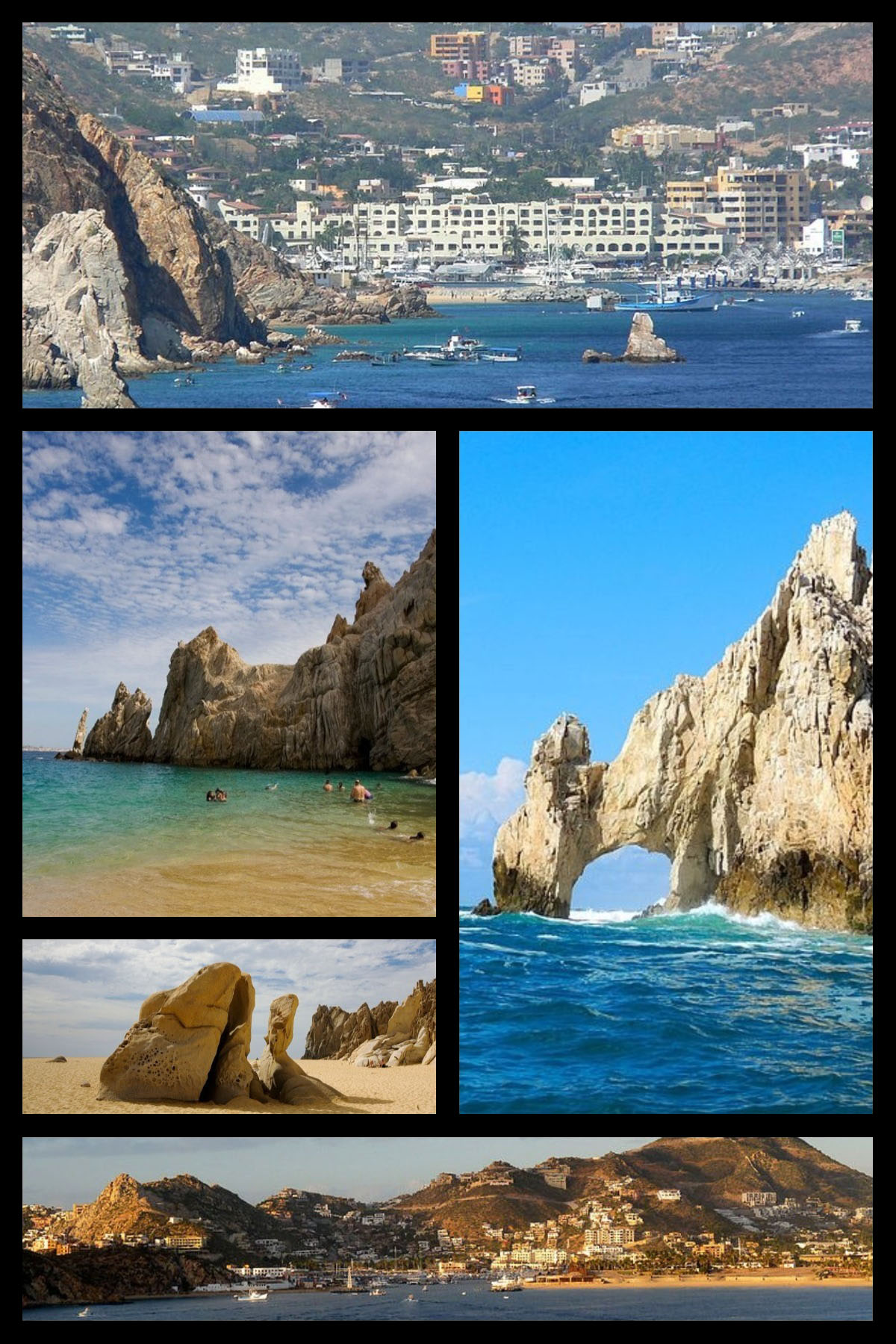


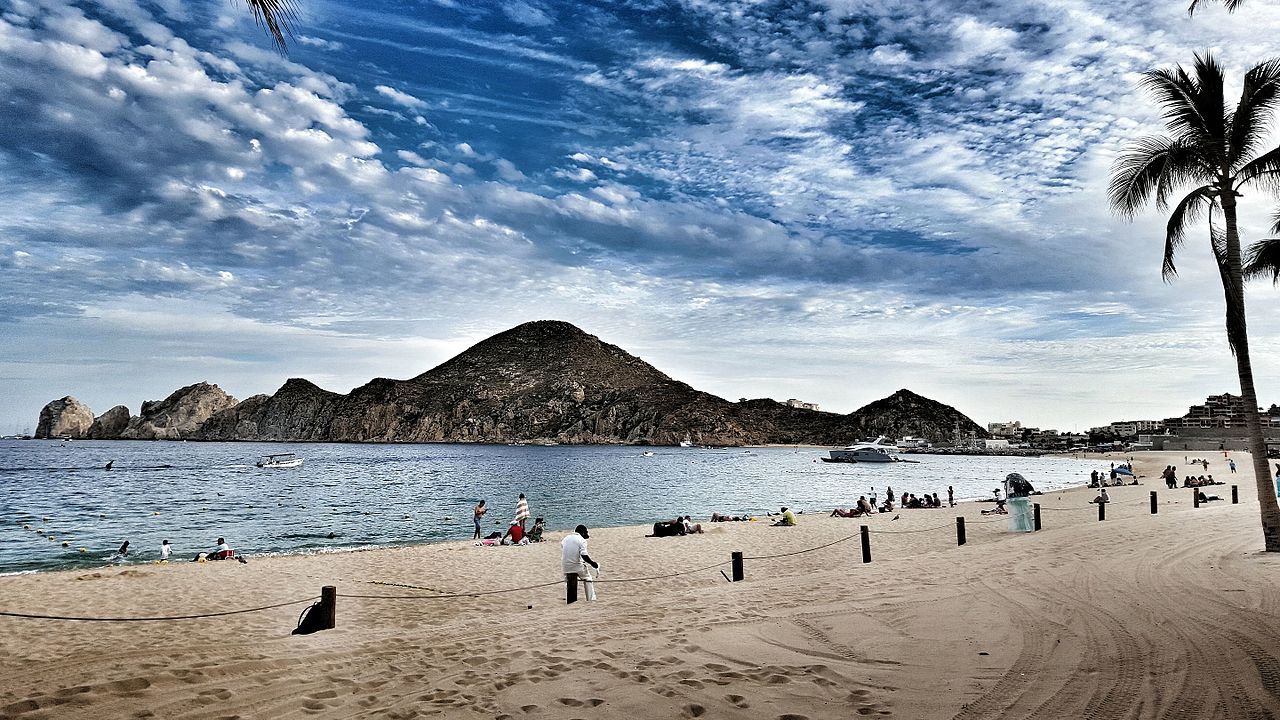


Geography and notable features
The city sits where a desert landscape meets the sea, with arid hills and sandy shorelines framing the harbour. A distinctive natural landmark is the rock formation known as El Arco or "The Arch," located at Land's End where the coastline curves into dramatic granite cliffs. Calm coves and open Pacific-facing beaches alternate along the coast, creating varied settings for sunbathing, swimming, and coastal viewing.
Attractions and activities
- Beaches: Popular beaches include Medano Beach for swimming and waterfront dining, and more secluded coves accessible by boat.
- Marine life and diving: The surrounding waters support snorkeling and diving and snorkeling opportunities, with rocky reefs, abundant fish, and seasonal visitors such as whales.
- Sport fishing: Cabo has a long-standing reputation for deep-sea fishing, especially for billfish like marlin, and hosts prominent fishing tournaments.
- Marina and nightlife: The modern marina area combines restaurants, shops, boat charters and a vibrant evening scene.
History and development
Originally a small fishing village, Cabo San Lucas grew steadily after the mid-20th century as tourism expanded in Baja California Sur. Improved road links, an international airport serving the Los Cabos region, and investment in beachfront resorts transformed the local economy from traditional fisheries to tourism services, real estate and recreation industries. Development has often been concentrated along the corridor between Cabo San Lucas and San José del Cabo.
Importance and conservation
The city is an economic hub for southern Baja because of cruise visits, charter boating and a year-round influx of visitors. At the same time, the region is sensitive ecologically: marine habitats and desert ecosystems have prompted conservation efforts, protected areas and responsible-tourism initiatives to balance development with habitat protection.
Visiting: practical notes
Visitors typically arrive through the Los Cabos International Airport near San José del Cabo or by cruise ship. The climate is arid and warm year-round; winter months are popular for whale-watching when migrating whales pass nearby. Travelers should plan around seasonal sea conditions—some beaches are safer for swimming than others—and use established operators for water activities and nature excursions.
Related articles
Author
AlegsaOnline.com Cabo San Lucas: Resort City at the Southern Tip of Baja California Leandro Alegsa
URL: https://en.alegsaonline.com/art/15867
Sources
- smn.cna.gob.mx : "Estado de Baja California Sur-Estacion: Cabo San Lucas" · web.archive.org
- smn.cna.gob.mx : "Extreme Temperatures and Precipitation for Cabo San Lucas 1937–2010" · web.archive.org