
Buttocks (gluteal region)
The buttocks are the paired rounded masses at the back of the pelvis made of gluteal muscles and fat, important for posture, locomotion, cushioning and cultural or sexual signaling.
The buttocks are the two rounded prominences on the posterior aspect of the pelvis. In everyday language they are also called the butt, bum, buttocks, behind, or (informally) the "booty". Anatomically they form the visible surface of the gluteal region and consist of skin, subcutaneous fat and several layers of muscle that connect the pelvis to the femur.
Image gallery
8 Images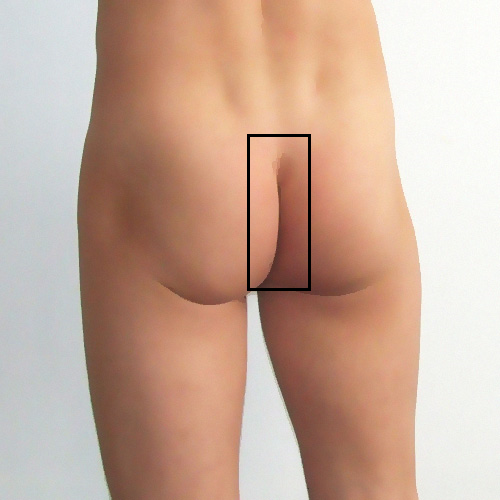


Anatomy and structure
The bulk of the buttocks is produced by the gluteal muscles: the gluteus maximus, gluteus medius and gluteus minimus. The gluteus maximus lies most superficially and contributes to hip extension and maintaining upright posture. The medius and minimus lie deeper and assist in hip abduction and stabilizing the pelvis during walking. Over these muscles is a variable layer of adipose tissue and skin that gives the region its shape and provides soft padding when sitting.
Functions
The buttocks have several functional roles related to movement, support and social signaling. Principal functions include:
- Locomotion: gluteal muscles power hip extension and contribute to balance during bipedal walking and running.
- Posture: they help keep the trunk upright and stabilize the pelvis.
- Cushioning: subcutaneous fat and muscle bulk protect the pelvic bones and soften pressure when sitting.
- Social and sexual signaling: size, shape and fat distribution in the buttocks are features that vary culturally and may influence aesthetic preferences.
Variation and evolution
Size and contour of the buttocks vary widely between individuals and populations. Differences arise from muscle development, body fat distribution and genetics. One well-known pattern of increased gluteofemoral fat is called steatopygia; this condition — characterized by pronounced fat accumulation in the buttock and thigh region — was first described among some southern African groups and has been documented in other populations as well. See more on steatopygia: steatopygia. Historical and anthropological discussions have noted its prevalence among groups such as the Khoisan (San people) and some other island or hunter-gatherer populations (Andamanese).
Cultural, medical and practical aspects
Buttocks have an outsized role in art, fashion and language. Their form is a common subject in sculpture and painting and different societies express diverse aesthetic ideals. Informal slang terms abound and vary by dialect and generation. From a medical standpoint, the region is relevant for conditions and procedures such as pressure ulcers (in immobile patients), soft-tissue injuries, intramuscular injections (commonly given into the upper outer quadrant to reduce nerve risk), and cosmetic interventions like contouring or augmentation. Nerve or muscle pain in the area can reflect lumbar spine problems or local muscle syndromes.
Understanding the buttocks requires combining anatomy, biomechanics, cultural history and clinical practice. Their visible shape is the result of deep muscular architecture, fat distribution and lifelong activity, and their importance ranges from practical support and locomotion to social and aesthetic meaning across human societies.
Author
AlegsaOnline.com Buttocks (gluteal region) Leandro Alegsa
URL: https://en.alegsaonline.com/art/15700