
Butler, Indiana: a concise guide to the community
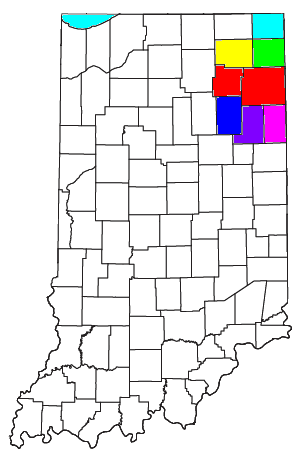
Butler is a small municipal community in northeastern Indiana, United States. This article summarizes its location, history, geography, economy, services, and distinguishing features for readers seeking an overview.
Overview
Butler is a small municipal community located in northeastern Indiana in the United States. It is typical of many Midwestern towns: centered on local institutions, surrounded by agricultural land, and tied economically and socially to nearby larger towns and regional centers. Residents often describe Butler as a close-knit place with a compact downtown, neighborhood streets, and community-oriented events.
Image gallery
3 Images

History
The settlement that became Butler grew during the 19th century as farmers and merchants moved into the region. Like many towns in the American Midwest, its early development was influenced by transportation links and the rise of local commerce. Over time Butler preserved elements of its historic downtown while modernizing services for residents.
Geography and climate
Butler sits amid gently rolling farmland and small woodlots typical of northeastern Indiana. The area experiences a continental climate with cold winters and warm summers, which shapes agricultural cycles and outdoor community activities.
Economy and community life
The local economy centers on agriculture, small businesses, light industry and service trades. Many residents commute to larger nearby cities for employment, higher education, and specialized health care. Community life often revolves around schools, churches, parks, and annual events that bring neighbors together.
Services, transportation and government
Municipal services in Butler typically include local government offices, public works, a volunteer fire service or local fire department, and public schools administered by the regional school district. Transportation is provided by a network of state and county roads; historical rail connections influenced growth, though today road travel predominates.
Notable facts and distinctions
Butler should not be confused with institutions or places that share the same name elsewhere. Its appeal lies in small-town Midwestern character, historic buildings, and a stable community fabric. Visitors and newcomers often appreciate Butler for its quieter pace and proximity to larger urban centers where additional amenities are available.
- Local features: schools, parks, a downtown main street
- Typical activities: fairs, local sports, community gatherings
- Common themes: agricultural heritage, regional ties
Related articles
Author
AlegsaOnline.com Butler, Indiana: a concise guide to the community Leandro Alegsa
URL: https://en.alegsaonline.com/art/15655