
Butler, Pennsylvania
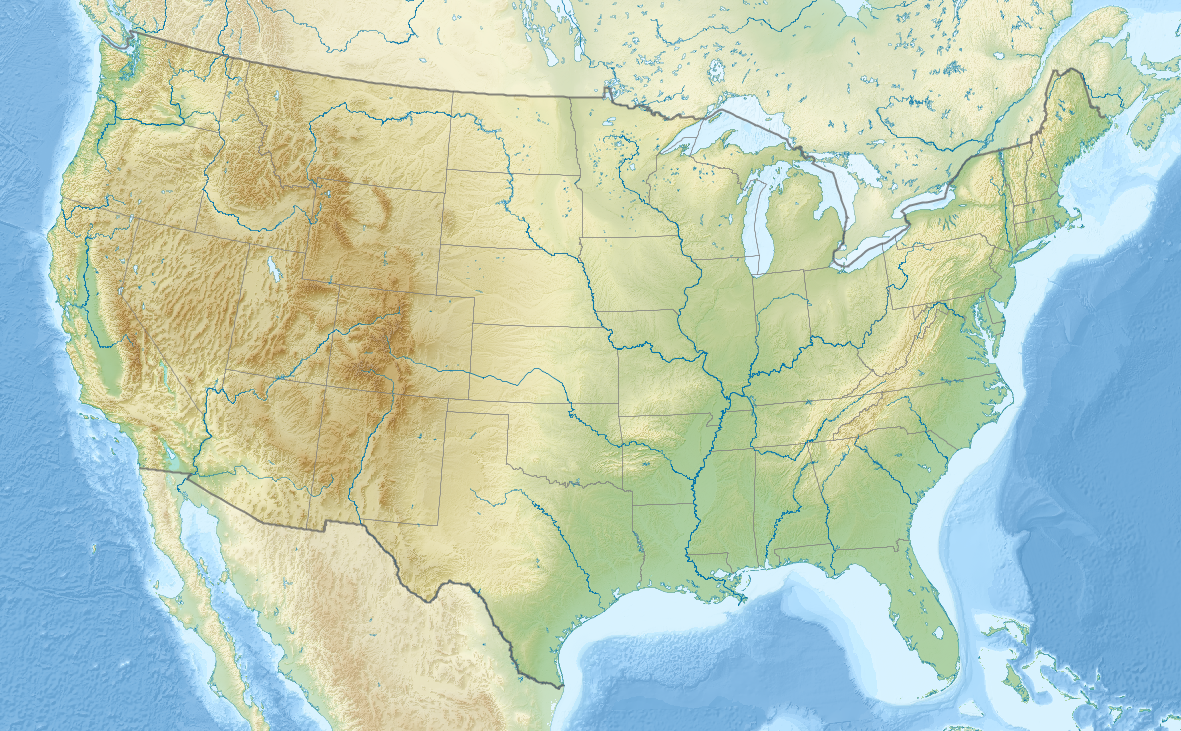
County seat in western Pennsylvania founded in 1802 and incorporated as a city in 1918. Located about 35 miles north of Pittsburgh, Butler is a regional center for government, education and community events.
Butler is a small city in western Pennsylvania with a role as the county seat of Butler County. It lies roughly 35 miles north of Pittsburgh and serves as a local center for government, education and commerce in a largely rural and suburban region. At the 2010 United States Census the city reported a population of 13,757; later estimates and counts may show modest change.
Image gallery
10 Images
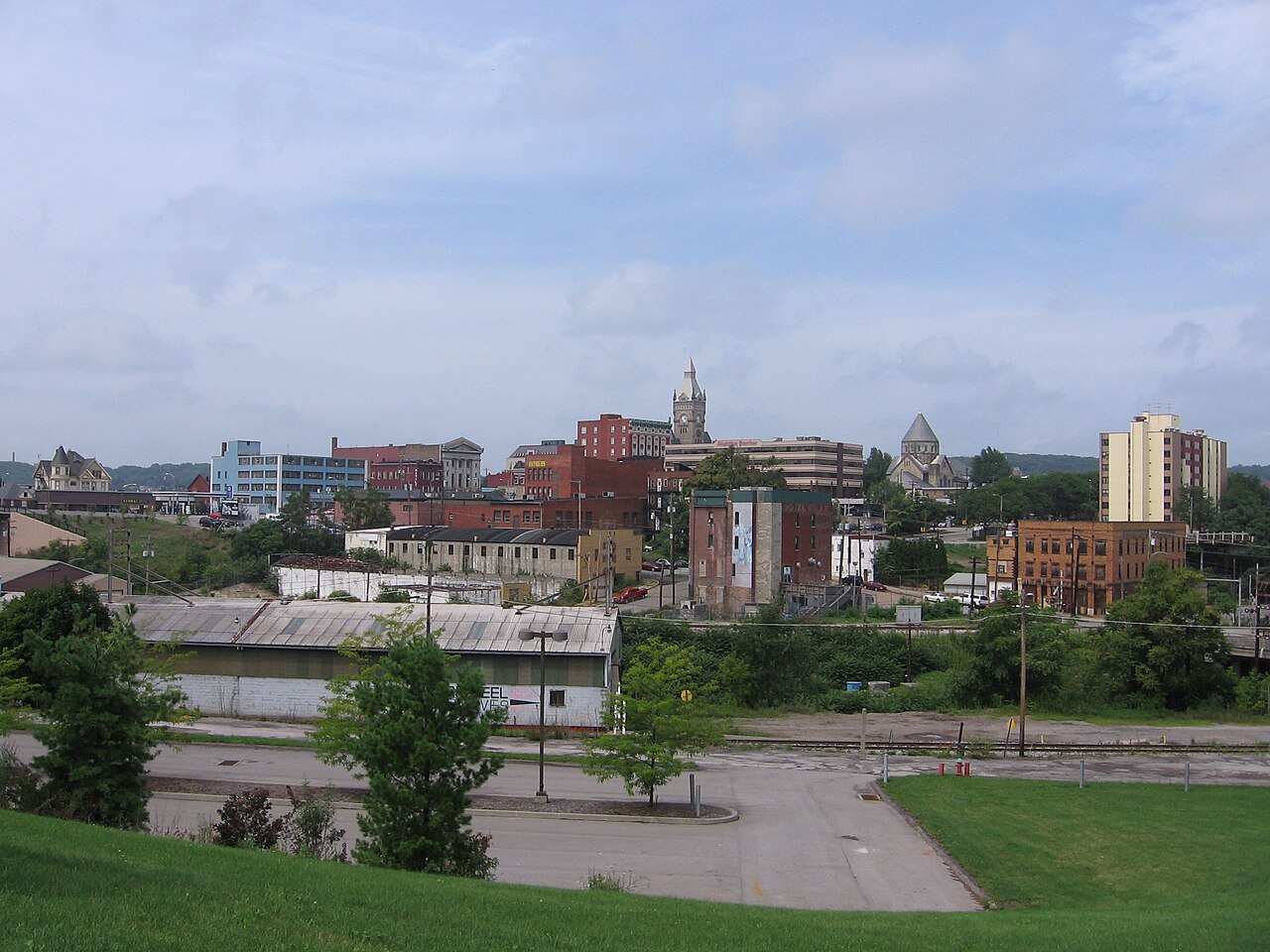




Overview and setting
Butler is situated in the rolling hills typical of this part of the state and is commonly described as part of western Pennsylvania. Its downtown contains municipal buildings, a historic courthouse and a concentration of shops and small businesses that serve the surrounding county. The city functions as a convenient hub for nearby townships and boroughs.
History
The community was first settled in the early 19th century (around 1802) and later organized as a borough and then incorporated as a city in 1918. The name commemorates figures associated with the Revolutionary era and the early republic. Over time Butler developed a local manufacturing base and civic institutions that anchored steady, if not rapid, growth through the 20th century.
Characteristics and institutions
- Government: As county seat, Butler hosts county offices and the courthouse that serve regional administrative functions.
- Education: The city area includes public school facilities and nearby higher-education and vocational resources that draw students from across the county.
- Economy: A mix of small manufacturing, retail, health care and professional services comprises the local economy, supported by customers from surrounding communities.
Annual cultural and community events help define Butler’s local identity. One longstanding civic attraction is a large county fair-style show held in or near the city each year, drawing visitors from across the region. Historic buildings and occasional preservation efforts contribute to Butler’s downtown character.
Transportation links by road connect Butler to larger regional centers. Its position roughly 35 miles north of Pittsburgh places it within commuting distance for some, while keeping a distinctly smaller-city atmosphere. For federal statistics and more detailed demographic data consult the cited census resources and local government publications.
Tags
Related articles
Author
AlegsaOnline.com Butler, Pennsylvania Leandro Alegsa
URL: https://en.alegsaonline.com/art/15659