
Ailhon — commune in Ardèche, southern France
Ailhon is a small rural commune in the Ardèche department of southern France. Known for hilly landscapes, rural heritage and quiet tourism, it exemplifies traditional villages of the region.
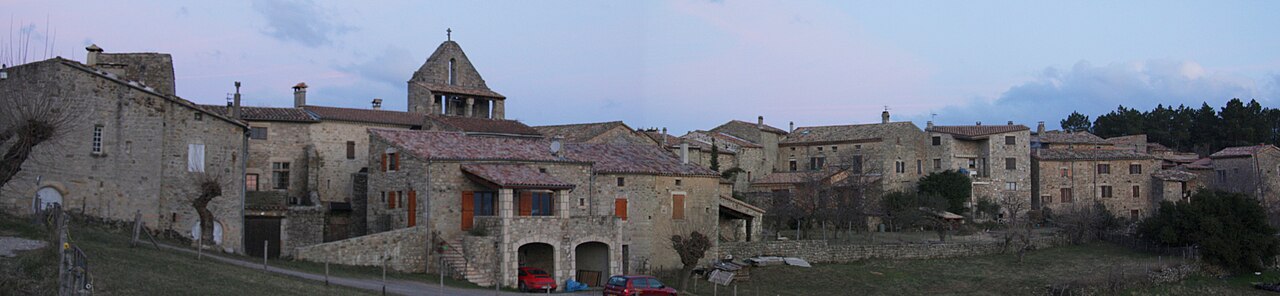
Ailhon is a small commune and village located in the Ardèche department of southern France. It is typical of the region's rural settlements: modest in size, sited amid hills and agricultural land, and shaped by centuries of local life. The settlement combines residential hamlets, narrow lanes and stone-built houses that reflect local building traditions.
Image gallery
7 Images




Geography and landscape
The commune lies within the varied terrain of the larger Massif Central foothills. Visitors find mixed woodlands, pastures and terraced fields where agriculture adapts to slopes and seasonal weather. Streams and small valleys break the relief, and viewpoints over the surrounding countryside are common. This setting supports walking, nature appreciation and rural leisure.
History and built heritage
Ailhon's origins are medieval in character, like many Ardèche villages, with a long continuity of farming and local trades. Surviving features typically include a parish church, traditional houses and stone walls. While not a major historic centre, the village illustrates regional patterns of settlement and vernacular architecture developed over centuries.
Economy, culture and tourism
The local economy is centred on small-scale agriculture, forestry and services for residents and visitors. Tourism is modest but steady: travellers seeking quiet landscapes, hiking or local festivals often use such villages as a base. Cultural life usually focuses on seasonal events, markets and communal activities that celebrate local products and customs.
Practical information and distinctions
- Administration: administered as a French commune within the departmental and regional framework.
- Access: reached by local roads; nearest larger towns provide broader services and rail or major road links.
- Character: representative example of rural Ardèche villages rather than a tourist resort.
Ailhon offers a quiet contrast to busier coastal or urban destinations. Its appeal lies in landscape, local traditions and the understated daily life of the French countryside. For practical details such as events, local services and maps, consult regional resources or the commune's information points.
Related articles
Author
AlegsaOnline.com Ailhon — commune in Ardèche, southern France Leandro Alegsa
URL: https://en.alegsaonline.com/art/1563