
Burnley: Lancashire market town with industrial heritage
Burnley is a town in Lancashire, England, on the edge of the Pennines. Known for its textile-era history, industrial landmarks and football club, it has undergone modern regeneration while retaining regional character.
Burnley is a town and borough centre in the county of Lancashire, England. Positioned near the administrative border with West Yorkshire, it occupies a valley at the western edge of the Pennines and developed where local rivers and transport routes meet. Today Burnley combines surviving industrial architecture with parks, cultural venues and modern commercial areas.
Image gallery
10 Images



Geography and urban character
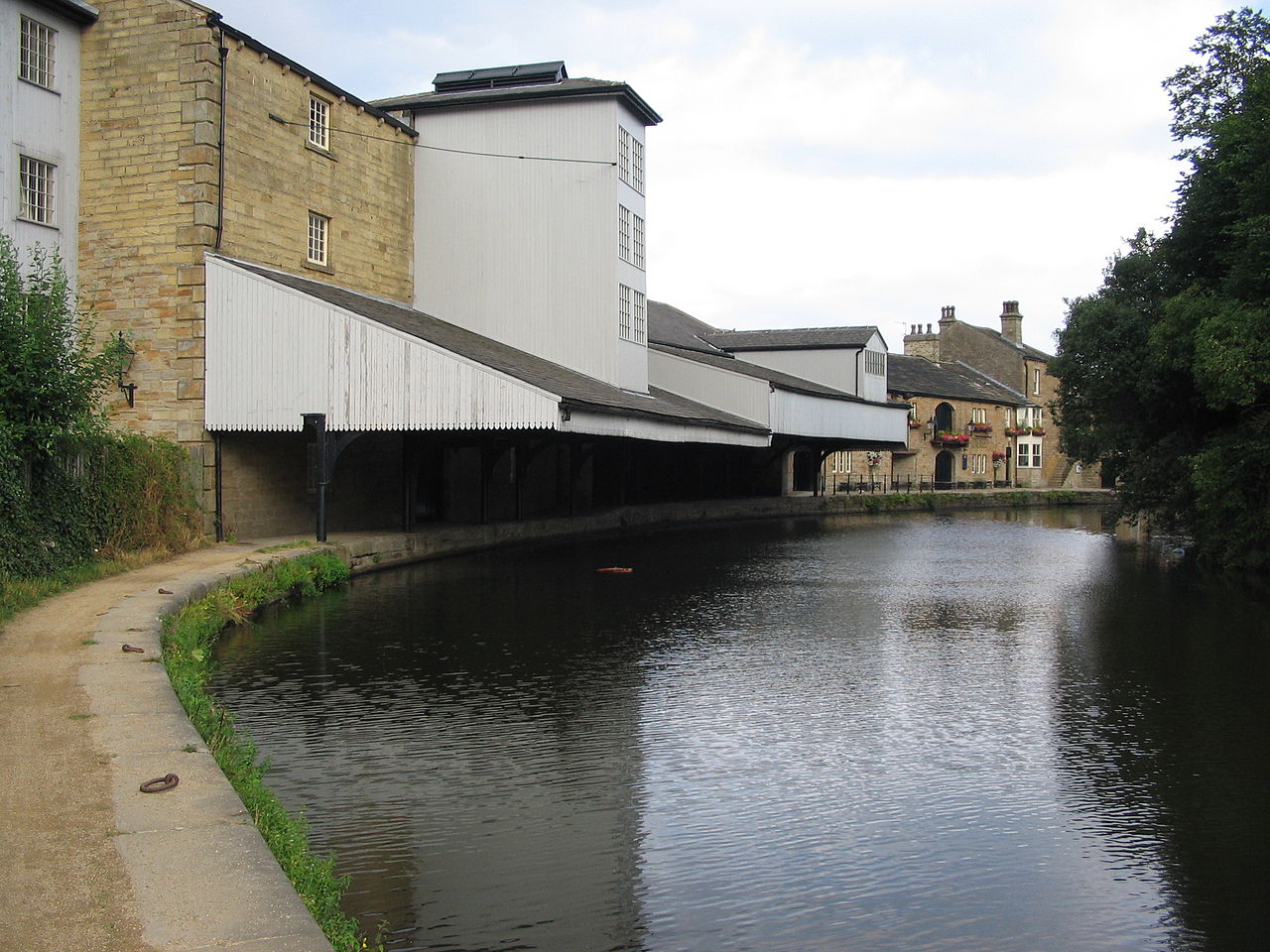
The town lies where upland moors give way to lower agricultural land. Rivers and brooks have shaped its street pattern and earlier mills; adjacent hills provide scenic views and outdoor walking opportunities. Much of the built-up area dates from the 19th century when dense terraces, mill complexes and canals were established, but there are also Victorian parks and pockets of later suburban housing.
History and development
Burnley grew from a market and agricultural settlement into a major mill town during the Industrial Revolution. Cotton weaving, powered first by water and then by steam, dominated the local economy for generations. Coal extraction and related industries supported the textile trade. Transport improvements such as canals and railways helped factories reach wider markets; many of the former mill sites now form part of the town's industrial heritage trails.
Culture, landmarks and sport
The town retains notable landmarks that reflect its past: restored mill buildings and conservation areas celebrate the textile era, while country houses and municipal parks offer cultural and recreational space. Towneley Hall, public parks and local museums present local history and collections. Sport has a prominent role in community life — the town's professional association football club and its stadium remain focal points for supporters and local identity.
Economy, transport and regeneration
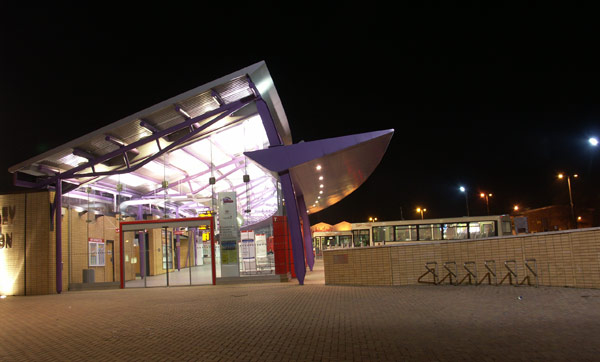
After the decline of large-scale textile manufacturing in the 20th century, Burnley has diversified into manufacturing, engineering and service sectors. Regeneration projects have adapted former industrial sites for modern business and leisure uses. The town is served by regional roads and rail links that connect it with nearby cities and towns; local public transport and motorway connections support commuting and trade.
Notable facts and visitor tips
- Burnley's industrial past is visible in conservation zones and the preserved Weavers' Triangle area, which interprets the town's textile history.
- Parks and nearby moorland attract walkers and offer contrasting landscapes to the urban core.
- Visitors often explore local museums, historic houses and match days at the town's football ground to experience community life and heritage.
Related articles
Author
AlegsaOnline.com Burnley: Lancashire market town with industrial heritage Leandro Alegsa
URL: https://en.alegsaonline.com/art/15502