
Aigues-Vives (Aude)
Aigues-Vives is a small rural commune in the Aude department of southern France, historically part of Languedoc-Roussillon; notable for its Occitan heritage and quiet agricultural landscape.
Overview
Aigues-Vives is a small commune in southern France, located in the Aude department. Historically it lay within the region known as Languedoc-Roussillon, now part of the larger Occitanie administrative region. The village has a modest population (around 500 inhabitants) and exemplifies the rural settlements typical of this part of France.
Image gallery
2 Images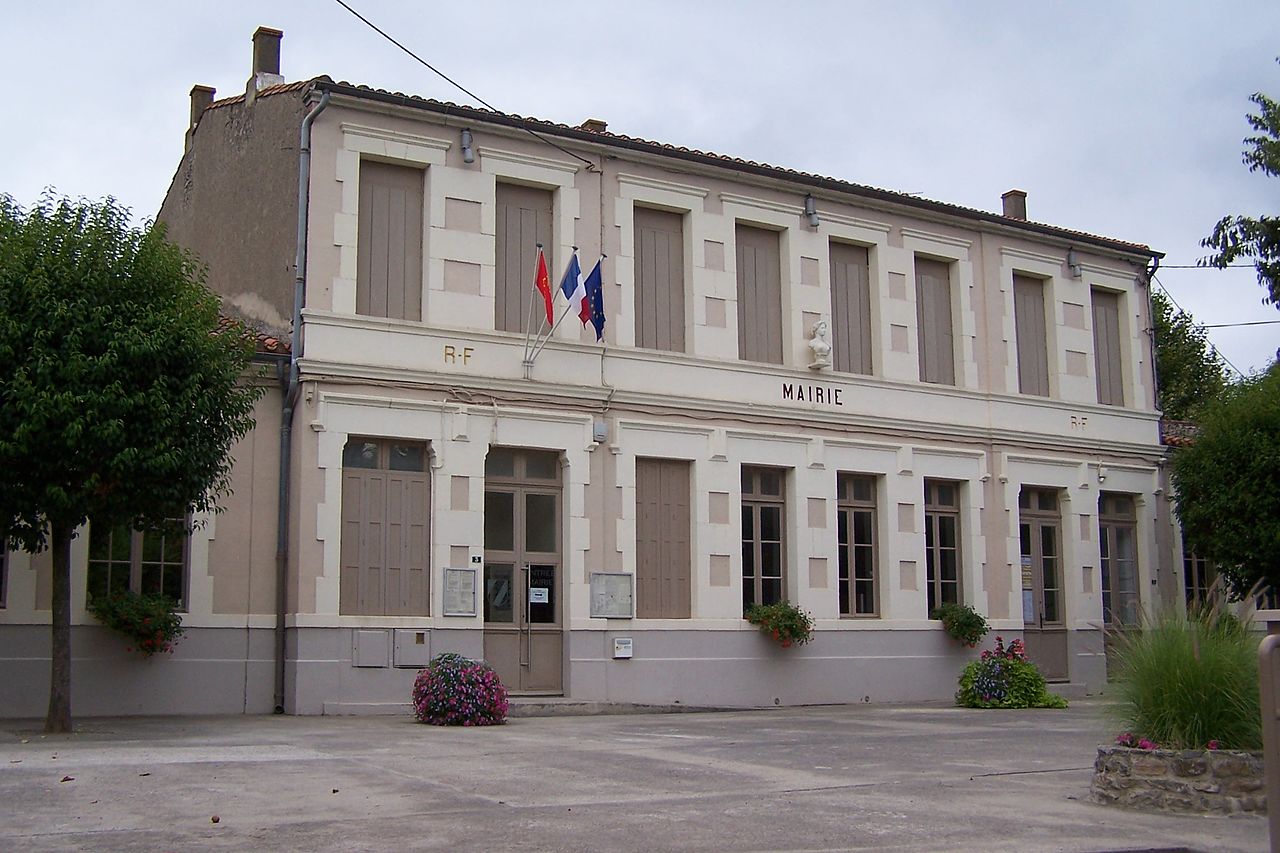

Characteristics and landscape
The name Aigues-Vives derives from terms meaning "living waters", a toponym found in several parts of southern France and reflecting nearby springs, streams or irrigated land. The commune features a compact built core with traditional stone houses, a parish church, and agricultural plots stretching into the surrounding countryside. Olive groves, cereals and vineyards are common across the greater Aude area, and Aigues-Vives shares that generally Mediterranean landscape and climate.
History and cultural context
Like many villages in Aude, Aigues-Vives has deep ties to the Occitan cultural and linguistic heritage of southern France. While specific local records vary, the settlement pattern reflects Roman and medieval influences found throughout the region, with local architecture and landholding shaped over centuries by agricultural practices and rural parish life.
Administration and economy
As a French commune, Aigues-Vives is governed by a mayor and municipal council and participates in intercommunal structures for services and development. The local economy is predominantly rural: small-scale farming, viticulture in parts of the department, and services that support village life. Many residents may also work in nearby towns or in the regional tourism and wine sectors.
Notable facts and visiting
- Aigues-Vives should not be confused with other communes of the same name in France; the departmental qualifier (Aude) is commonly used to distinguish it.
- The wider Aude department is known for landmarks such as the medieval citadel of Carcassonne and sections of the Canal du Midi, situating Aigues-Vives within a region popular with cultural and wine tourism.
- Practical information and administrative details are available from local and departmental sources for visitors and researchers.
For further information, see the commune page or departmental resources: commune information, regional summaries at Languedoc-Roussillon, departmental guides at Aude and administrative portals at department and south France references.
Related articles
Author
AlegsaOnline.com Aigues-Vives (Aude) Leandro Alegsa
URL: https://en.alegsaonline.com/art/1549