
Bukit Timah (Singapore)
Bukit Timah is a central Singapore district centered on Bukit Timah Hill, the city-state's highest natural point. It includes a nature reserve, residential and commercial areas, heritage sites and popular trails.
Overview
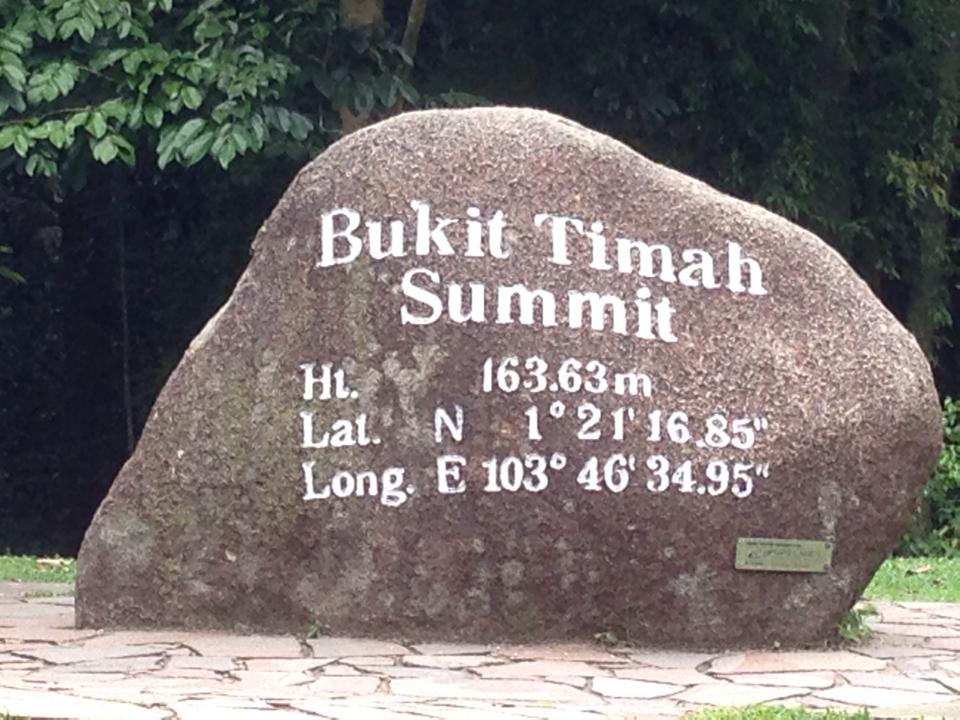
Bukit Timah is both a neighbourhood and the name of the hill at its heart, located near the geographic centre of Singapore island. The hill reaches 163.63 metres and is the highest natural point in the city-state. The surrounding district mixes protected forest, low-rise residential enclaves, established schools and small commercial centres, making it a distinctive green and suburban pocket inside a densely built island.
Image gallery
5 Images


Geography and ecology
The Bukit Timah Hill sits within the Bukit Timah Nature Reserve, one of Singapore's best-known remnants of primary tropical rainforest. The reserve conserves native tree species such as dipterocarps and strangler figs, and supports amphibians, birds and mammals typical of the region, including long-tailed macaques. Trails, boardwalks and a paved summit path allow visitors to experience a compact sample of lowland rainforest ecology uncommon in an urban setting.
History and heritage
The name Bukit Timah is Malay, commonly translated as "tin hill," though the precise origin of the name is debated and may reflect older local terms. The area has layers of colonial and post-colonial history: roads and rail links built in the 19th and 20th centuries, quarries that once exploited the granite beneath the hill, and railway infrastructure now conserved as heritage. The former Bukit Timah Railway Station and segments of the old line have been repurposed for recreation and interpretation.
Human use and amenities
Beyond the reserve, Bukit Timah hosts residential neighbourhoods noted for their greenery and established amenities. There are neighborhood shopping centres, dining clusters, and several long-standing educational institutions nearby. The district is also served by major thoroughfares such as Bukit Timah Road, which helped shape its role as a transport and commercial axis.
Recreation and access
- Hiking and nature walks on marked trails and boardwalks.
- Cycling along nearby park connectors and converted rail corridors.
- Educational visits and guided nature programmes in the reserve.
- Heritage interest at conserved railway buildings and quarry sites.
Access to the nature reserve is by road and public transport; seasonal closures or limits may apply for conservation management, and visitors are asked to follow park rules to protect sensitive habitats. For official information and visitor guidance see local park resources.
Distinctive facts and conservation
Although Bukit Timah Hill is modest in height compared with mountains elsewhere, its importance arises from being Singapore's highest natural point and from the ecological value of the remaining primary forest. Conservation efforts focus on protecting biodiversity, controlling visitor impact, and maintaining the area's role as an accessible natural refuge within a highly urbanised country.
Visitors and residents often see Bukit Timah as a concise example of how green space, history and urban life intersect in Singapore, where even small hills and forest patches are carefully managed for future generations.
Related articles
Author
AlegsaOnline.com Bukit Timah (Singapore) Leandro Alegsa
URL: https://en.alegsaonline.com/art/15205
Sources
- singaporesights.com : Bukit Timah Nature Reserve – Host The Highest Hill in The Singapore
- angelfire.com : Japanese Invasion of Malaysia
- singapore.thinkexpats.com : Bukit Timah: Its a jungle out there!
- millenniumhotels.com : millenniumhotels.com