
Ahura Mazda — Supreme Deity of Zoroastrianism
Ahura Mazda is the central deity of Zoroastrianism, embodying wisdom, truth, and creative order. Revered in ancient Iran and surviving in modern practice, associated with fire worship and the Amesha Spentas.
Overview
Ahura Mazda (also rendered Ahuramazd, Ohrmazd, Hormazd, Aramazd and similar forms) is the principal divine figure in Zoroastrian religion. In Zoroastrian belief he is the wise lord and creator of goodness and order. Devotees regard him as the source of Asha — the principle of truth, right conduct and cosmic order — and as opposed to destructive forces associated with falsehood and chaos.
Image gallery
6 Images


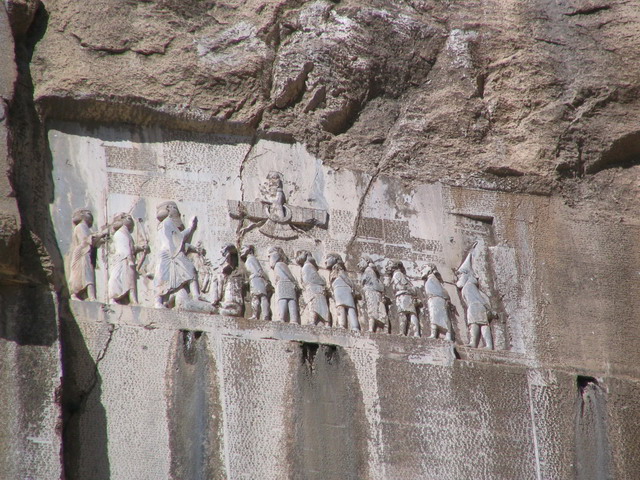

Attributes and divine companions
Traditionally Ahura Mazda is described as wise, beneficent and eternal. He is not commonly depicted in human form in orthodox practice; light and fire often serve as symbolic presences in worship. Within the religion he is associated with a group of divine aspects or emanations called the Amesha Spentas, each representing a quality of creation and moral ideal.
- Vohu Manah (Good Mind)
- Asha Vahishta (Best Righteousness / Order)
- Spenta Armaiti (Devotion / Piety)
- Kshathra Vairya (Right Dominion)
- Haurvatat (Wholeness / Health)
- Ameretat (Immortality / Long Life)
History and development
Ahura Mazda figures prominently in the hymns attributed to the prophet Zoroaster (Zarathustra) and in the Avesta, the sacred texts of Zoroastrianism. The concept emerged from ancient Iranian religious ideas and gained prominence with the spread of Zoroastrian teachings across the Iranian world. Over centuries, royal patrons and religious communities shaped the theology and ritual forms associated with Ahura Mazda.
Worship, ritual, and cultural role
Worship of Ahura Mazda centers on prayers, recitation of sacred texts, and maintenance of ritual fire in temples, where fire symbolizes divine light and purity. Ethical practice — summarized in the maxim "Good Thoughts, Good Words, Good Deeds" — is foregrounded as a way to align with Ahura Mazda's order. Important cultural observances such as the new year festival (Nowruz) have roots in the religious calendar shaped by Zoroastrian ideas.
Legacy and theological distinctions
Scholars note that Zoroastrianism has elements that can be read as monotheistic, given Ahura Mazda's supremacy, and elements that reflect a cosmic dualism because of the opposite principle of Angra Mainyu (destructive spirit). Concepts associated with Ahura Mazda — judgment, heaven and hell, a savior figure — influenced religious thought in the wider Near East. Today Ahura Mazda remains central to the faith practiced by communities such as Iranian Zoroastrians and the Parsis of South Asia.
Related articles
Author
AlegsaOnline.com Ahura Mazda — Supreme Deity of Zoroastrianism Leandro Alegsa
URL: https://en.alegsaonline.com/art/1517